Kerajaan Medang Kamulan
Summary
TLDRThe Medang Kamulan Kingdom, originally part of the ancient Mataram Kingdom, was moved to East Java by King Mpu Sindok in the 10th century, establishing the Isyana Dynasty. This shift was prompted by volcanic activity, threats from Sriwijaya, and fertile lands in East Java. The kingdom reached its peak under King Airlangga, who expanded the kingdom and improved infrastructure. Afterward, Airlangga divided the kingdom into two parts: Jenggala and Panjalu, the latter evolving into the Kingdom of Kediri. The Medang Kamulan Kingdom's history is marked by political shifts, military conquests, and notable rulers like Mpu Sindok, Dharmawangsa, and Airlangga.
Takeaways
- 😀 The Medang Kamulan Kingdom's history is closely tied to the ancient Mataram Kingdom, which was initially centered in Central Java before being moved to East Java by Mpu Sindok.
- 😀 Mpu Sindok established the Isyana Dynasty after moving the capital from Central Java to East Java, marking the beginning of the Medang Kamulan Kingdom.
- 😀 The shift of Mataram's capital was driven by natural disasters, such as the frequent eruptions of Mount Merapi, as well as threats from the Srivijaya Kingdom and the more fertile land in East Java.
- 😀 Key historical sources for the Medang Kamulan Kingdom include inscriptions like the Tengaran, Lor, and Banget inscriptions, as well as the Calcutta inscription.
- 😀 Mpu Sindok, the founder of the Isyana Dynasty, ruled alongside his wife, Triwardani, and successfully avoided the danger posed by Mount Merapi.
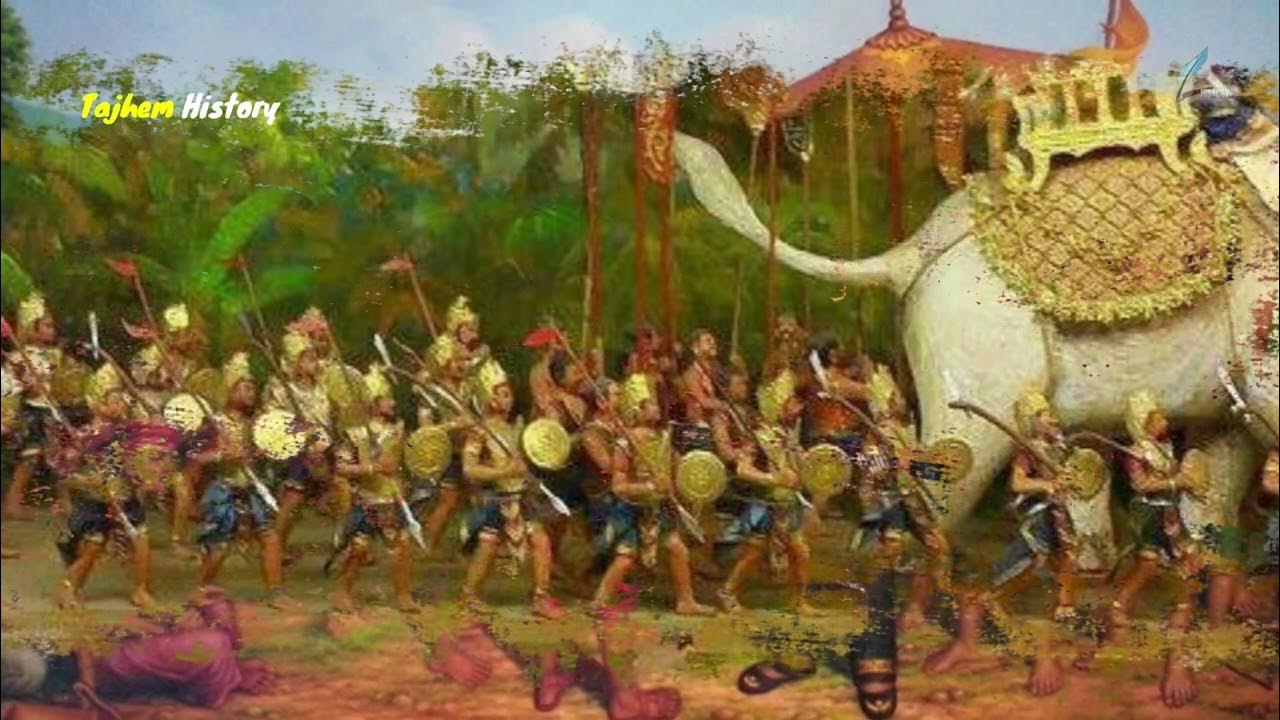
- 😀 Mpu Sindok was succeeded by King Dharmawangsa, who expanded the kingdom's territory and engaged in conflict with Srivijaya. His reign saw the Pralaya event in 1016, a critical moment in the kingdom's history.
- 😀 Dharmawangsa's efforts to expand the kingdom included attempts to conquer Bali and Kalimantan, as well as a diplomatic marriage involving his daughter and Erlangga.
- 😀 Erlangga, who succeeded Dharmawangsa, managed to escape the Pralaya event and ultimately became the ruler of the Medang Kingdom, achieving its peak prosperity.
- 😀 Under Erlangga, the kingdom made significant advancements, including the construction of dams, roads, and improvements to ports such as Ujung Galuh and Tuban, boosting trade.
- 😀 Before his abdication, Erlangga divided the kingdom into two regions, Jenggala and Panjalu, to avoid succession disputes. This division led to the creation of the Kediri Kingdom from Panjalu.
Q & A
Who was responsible for moving the capital of the Mataram Kingdom from Central Java to East Java?
-Mpu Sindok was responsible for moving the capital of the Mataram Kingdom from Central Java to East Java.
What dynasty did Mpu Sindok establish after moving the capital?
-Mpu Sindok established the Isyana Dynasty after moving the capital to East Java.
What were the main reasons for the relocation of the capital from Central Java to East Java?
-The main reasons for relocating the capital were to avoid volcanic eruptions from Mount Merapi, to distance the kingdom from the Sriwijaya threat, and to take advantage of the fertile land of East Java, which was better for agriculture and trade.
What sources provide historical evidence of the Medang Kamulan Kingdom?
-The historical sources for the Medang Kamulan Kingdom include Prasasti Tengaran, Prasasti Lor, Prasasti Banget, and Prasasti Kalkutta.
What significant event occurred during Dharmawangsa's reign in 1016?
-In 1016, the Pralaya event occurred during Dharmawangsa's reign, when the Wurawari Kingdom attacked during his daughter's marriage to Airlangga.
Who succeeded Dharmawangsa as the ruler of the Medang Kamulan Kingdom?
-Airlangga succeeded Dharmawangsa as the ruler of the Medang Kamulan Kingdom after the Pralaya event.
How did Airlangga contribute to the development of the Medang Kamulan Kingdom?
-Airlangga expanded the kingdom's infrastructure, including building irrigation systems, developing ports like Ujung Galuh, and constructing roads to connect coastal areas with the kingdom's center.
What was the purpose of Airlangga's decision to divide the kingdom into two parts?
-Airlangga divided the kingdom into two parts to prevent internal power struggles and familial conflicts over the throne.
What were the two kingdoms created after Airlangga's division of Medang Kamulan?
-The two kingdoms created after Airlangga's division were Jenggala, ruled by Mapanji Garasakan, and Panjalu (Kediri), ruled by Sri Samarawijaya.
What historical work commemorates the conflict between Jenggala and Panjalu?
-The conflict between Jenggala and Panjalu is immortalized in the *Baratayuda* manuscript.
Outlines

Dieser Bereich ist nur für Premium-Benutzer verfügbar. Bitte führen Sie ein Upgrade durch, um auf diesen Abschnitt zuzugreifen.
Upgrade durchführenMindmap

Dieser Bereich ist nur für Premium-Benutzer verfügbar. Bitte führen Sie ein Upgrade durch, um auf diesen Abschnitt zuzugreifen.
Upgrade durchführenKeywords

Dieser Bereich ist nur für Premium-Benutzer verfügbar. Bitte führen Sie ein Upgrade durch, um auf diesen Abschnitt zuzugreifen.
Upgrade durchführenHighlights

Dieser Bereich ist nur für Premium-Benutzer verfügbar. Bitte führen Sie ein Upgrade durch, um auf diesen Abschnitt zuzugreifen.
Upgrade durchführenTranscripts

Dieser Bereich ist nur für Premium-Benutzer verfügbar. Bitte führen Sie ein Upgrade durch, um auf diesen Abschnitt zuzugreifen.
Upgrade durchführen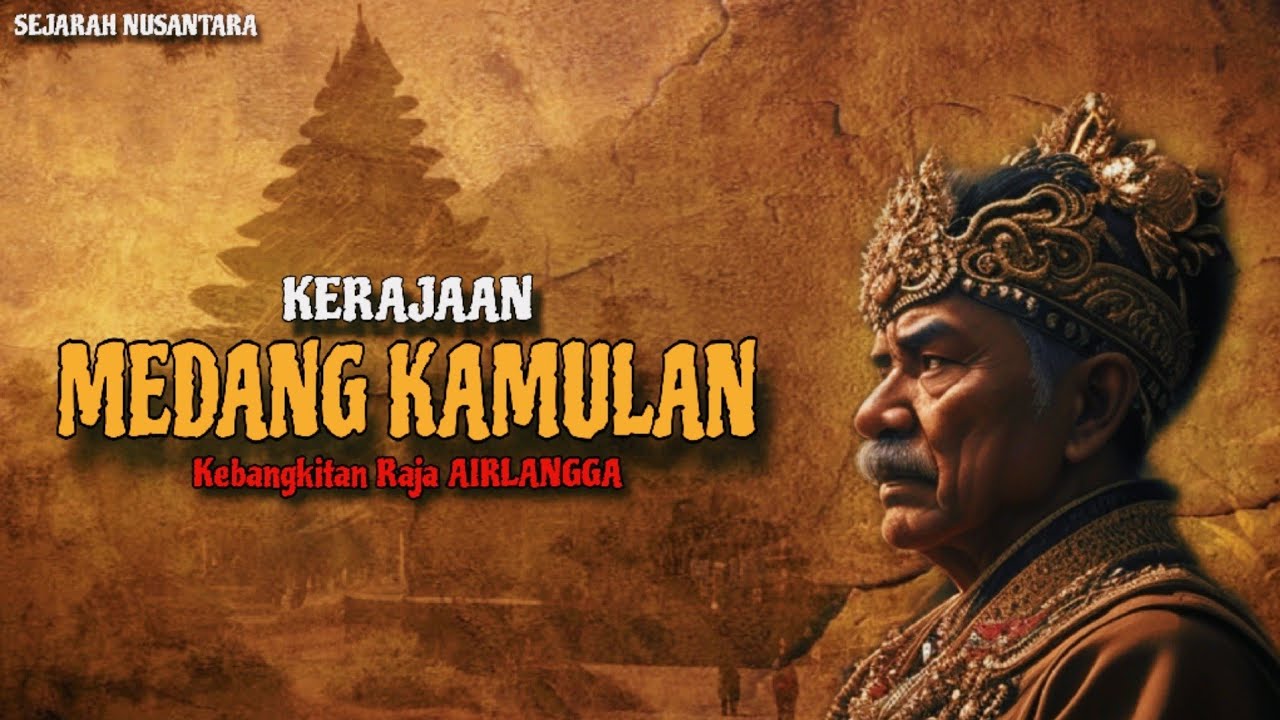



5.0 / 5 (0 votes)

