Perbedaan Civics, Ciizenship, Civic Education, dan Citizenship Education
Summary
TLDRThis video explains the differences between Civic, Civic Education, and Citizenship Education in a clear and straightforward manner. Civic, or Citizenship, is a branch of political science focusing on citizens' rights, obligations, and status. Civic Education refers to school-based political education aimed at developing knowledge, attitudes, and skills related to citizenship, such as Indonesia's Pancasila Education. Citizenship Education encompasses both school and community-based learning, including activities like election awareness and civic engagement outside the classroom. The video emphasizes understanding the theoretical, educational, and practical dimensions of citizenship to cultivate informed and responsible citizens.
Takeaways
- 😀 The video explains the differences between citizenship, civic education, and citizenship education.
- 📚 Citizenship in Indonesia refers to the study of civic knowledge, which is a branch of political science.
- 📝 Citizenship focuses on understanding the rights, duties, status, and characteristics of citizens.
- 🏛️ Civic education is political education in schools that teaches citizens about their rights and responsibilities.
- 🎓 Civic education aims to develop knowledge, attitudes, and skills related to being a responsible citizen.
- 🌍 Citizenship education encompasses both in-school and out-of-school learning about citizenship.
- 📊 Out-of-school citizenship education can include activities like election awareness and other civic programs.
- 🇮🇩 In Indonesia, civic education is integrated into Pancasila education, while in other countries it may appear as a separate subject.
- 🔄 Both civic education and citizenship education share the goal of teaching citizens about their rights and duties.
- 💡 Understanding these distinctions helps citizens and students recognize their responsibilities and roles within the state.
Q & A
What is the main focus of the field of *Ilmu Kewarganegaraan* (Citizenship Science)?
-The main focus of *Ilmu Kewarganegaraan* is to study the rights and duties of citizens and their status as citizens, while also examining political democracy and state relations.
How does *Ilmu Kewarganegaraan* relate to political science?
-*Ilmu Kewarganegaraan* is a branch of political science that specifically focuses on the rights, duties, and responsibilities of citizens within a democratic state.
What is the meaning of *Suci* in the context of citizenship?
-*Suci*, or *Keluarga Negara* in Bahasa Indonesia, refers to the concept of state citizenship. It studies the status of citizenship, who belongs to a nation, how citizenship is acquired, and the characteristics of being a citizen.
What does *Pendidikan Kewarganegaraan* (Citizenship Education) focus on in schools?
-*Pendidikan Kewarganegaraan* focuses on educating students about their rights and duties as citizens. It aims to provide them with knowledge, attitudes, and skills necessary for understanding their roles and responsibilities in society.
Is *Pendidikan Kewarganegaraan* a subject in every country?
-No, in some countries, *Pendidikan Kewarganegaraan* is not a separate subject. Instead, it is integrated into other subjects, especially in political science or social studies classes.
What is the relationship between *Ilmu Kewarganegaraan* and *Pendidikan Kewarganegaraan*?
-*Ilmu Kewarganegaraan* is a branch of political science that focuses on the theoretical aspects of citizenship, while *Pendidikan Kewarganegaraan* is an educational practice that aims to teach students about their rights and responsibilities as citizens.
What is the role of *Pendidikan Pancasila* in Indonesian education?
-*Pendidikan Pancasila* is an Indonesian subject that includes teachings about the Pancasila ideology, and *Pendidikan Kewarganegaraan* is a part of this subject. It helps students understand the core values of the nation and their duties as citizens.
How do other countries approach *Pendidikan Kewarganegaraan*?
-In some countries, *Pendidikan Kewarganegaraan* is not offered as a separate subject. Instead, it is integrated into other areas of the curriculum, such as history, social studies, or political education.
What does the term *Sosialisasi Pemilu* refer to in the context of citizenship education?
-*Sosialisasi Pemilu* refers to the process of educating citizens, especially voters, about elections, their rights, and their responsibilities to participate in democratic processes like voting.
How is citizenship education conducted outside of formal school settings?
-Outside of schools, citizenship education can occur through various activities such as electoral socialization (*Sosialisasi Pemilu*), workshops, seminars, or public awareness campaigns that focus on educating citizens about their rights and duties.
Outlines

هذا القسم متوفر فقط للمشتركين. يرجى الترقية للوصول إلى هذه الميزة.
قم بالترقية الآنMindmap

هذا القسم متوفر فقط للمشتركين. يرجى الترقية للوصول إلى هذه الميزة.
قم بالترقية الآنKeywords

هذا القسم متوفر فقط للمشتركين. يرجى الترقية للوصول إلى هذه الميزة.
قم بالترقية الآنHighlights

هذا القسم متوفر فقط للمشتركين. يرجى الترقية للوصول إلى هذه الميزة.
قم بالترقية الآنTranscripts

هذا القسم متوفر فقط للمشتركين. يرجى الترقية للوصول إلى هذه الميزة.
قم بالترقية الآنتصفح المزيد من مقاطع الفيديو ذات الصلة

Makna Pendidikan Kewarganegaraan

PENTINGKAH : Pendidikan Pancasila dan Kewarganegaraan ?

Pengantar Memahami Pendidikan Kewarganegaraan di Perguruan Tinggi - Pendidikan Kewarganegaraan #01

Materi Dasar Pendidikan Kewarganegaraan (PKN)
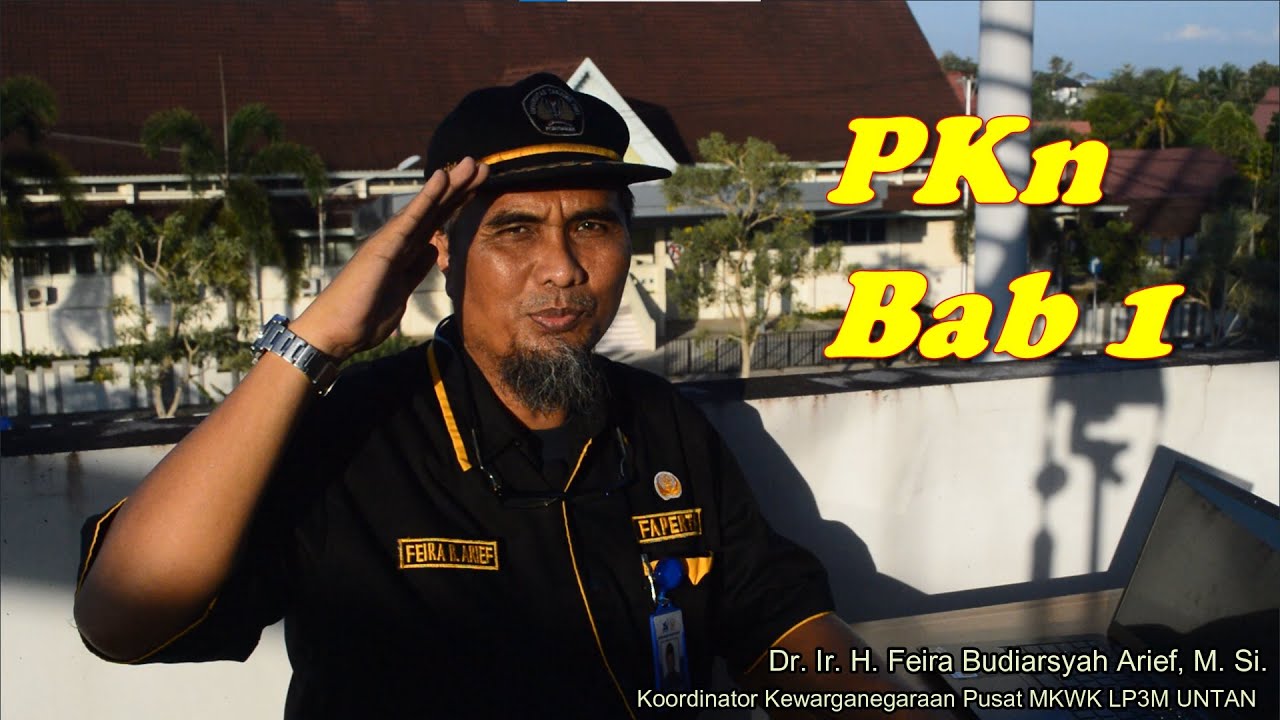
PKn # Bab 1 Hakikat Pendidikan Kewarganegaraan

Alasan Mahasiswa harus mempelajari Mata Kuliah Pendidikan Kewarganegaraan
5.0 / 5 (0 votes)

