SOSIOLOGI PERKOTAAN - URBANISME SEBAGAI WAY OF LIFE [PODCAST CIC]
Summary
TLDRThe video explores urban sociology, focusing on Louis Wirth's theory of urbanism as a 'way of life.' Wirth defines cities as large, dense, and heterogeneous social entities, where the environment shapes individual behavior. Contrastingly, Robert Park views urban space as a structural container influencing human actions. Perspectives from Giddens and Macionis highlight urban mobility, diverse social interactions, and the tendency for weaker yet more tolerant social ties compared to rural areas. Key city dimensions—size, density, and heterogeneity—affect social behavior, illustrating how urban environments create distinct lifestyles and influence the daily lives and interactions of city inhabitants.
Takeaways
- 😀 Urban sociology explores how city environments shape human behavior, emphasizing the relationship between individuals and their urban surroundings.
- 😀 Louis Wirth’s theory of urbanism as a way of life suggests that cities, as large and densely populated spaces, influence human behavior and interactions.
- 😀 Wirth’s concept of 'urban way of life' focuses on how the characteristics of urban environments impact social behavior, such as increased tolerance among city dwellers.
- 😀 According to Wirth, cities are social entities characterized by permanent settlements, heterogeneous populations, and high population density.
- 😀 Robert Park, a contemporary of Wirth, viewed urban spaces as an 'abiotic container' for human actions, contrasting with Wirth's belief that the environment actively shapes behavior.
- 😀 Sociologist Anthony Giddens suggests that urban areas are centers of power, with residents often engaged in higher mobility for work and leisure, resulting in weaker social bonds.
- 😀 Giddens also highlights that urban residents are more involved in fast-paced daily activities, leading to thin and fragile social ties compared to rural areas.
- 😀 The work of sociologist James Macionis suggests that urban relationships are based more on personal interests and tasks than on friendship or familial bonds.
- 😀 Macionis also observes that city dwellers often define others by their roles or occupations rather than personal characteristics, unlike rural societies where personal ties are stronger.
- 😀 The theory of urbanism is shaped by concepts like 'size,' 'density,' and 'heterogeneity,' which influence social behavior and interactions in cities, making them unique in comparison to rural environments.
Q & A
What is the main topic of the transcript?
-The main topic of the transcript is urban sociology, specifically focusing on the concept of urbanism as a 'way of life' and how urban environments influence human behavior. It also compares urban and rural life and the role of cities in shaping individual actions.
Who is Louis Wirth, and what is his contribution to urban sociology?
-Louis Wirth was a prominent sociologist who contributed to the study of urban sociology. He developed the concept of 'urbanism as a way of life,' emphasizing how the characteristics of cities—such as their size, density, and heterogeneity—affect human behavior and interactions. Wirth's ideas are central to understanding the unique social dynamics of urban life.
How does Wirth define a city in sociological terms?
-Wirth defines a city as a large, densely populated social entity characterized by permanent settlements and a heterogeneous population. He views the city as a social environment that shapes the behavior of its inhabitants.
What is 'urbanism as a way of life' according to Louis Wirth?
-According to Louis Wirth, 'urbanism as a way of life' refers to the distinct social patterns and behaviors that emerge in cities due to their unique characteristics. These include increased mobility, diversity, and social interactions that are influenced by the urban environment.
What is the difference between Wirth's and Robert Park's views on urban spaces?
-Louis Wirth believes that urban spaces themselves influence human behavior, suggesting that the city environment shapes how individuals interact. In contrast, Robert Park viewed urban spaces as passive containers that organize human actions, meaning that the space itself doesn't actively shape behavior, but rather it is the actions within that space that matter.
How does Giddens define cities, and what is his perspective on urban life?
-Giddens defines cities as large human settlements where diverse activities take place, which allow cities to become centers of power. He emphasizes the high mobility of urban dwellers, who move for work and leisure. Giddens also notes that urban relationships tend to be weaker and more transient compared to rural areas.
What does Macionis suggest about urban interactions and the reasons behind them?
-Macionis suggests that in urban areas, interactions between people are often driven by personal interests rather than close relationships or community bonds. He argues that in cities, people are more likely to engage in activities based on practical needs (e.g., work) rather than forming strong, personal connections.
What role does social mobility play in urban life according to Giddens?
-According to Giddens, social mobility in urban areas is high because people frequently move for work, leisure, and other reasons. This mobility contributes to the fluid and dynamic nature of urban life, allowing individuals to engage in diverse activities and experiences.
What is the significance of 'size,' 'density,' and 'heterogeneity' in urban environments?
-The concepts of 'size,' 'density,' and 'heterogeneity' are central to understanding urban environments. These three factors influence the social dynamics of cities. Larger, denser, and more heterogeneous cities tend to promote different social behaviors compared to smaller, less dense, or more homogenous areas. These factors contribute to the development of distinct 'urban ways of life.'
How does Wirth's concept of urbanism relate to other sociological theories?
-Wirth's concept of urbanism as a way of life builds on earlier sociological theories, particularly those of Max Weber, Emile Durkheim, and others. His emphasis on the environmental impact of cities on human behavior aligns with broader sociological discussions about how social structures and spaces influence individual and group behavior.
Outlines

Cette section est réservée aux utilisateurs payants. Améliorez votre compte pour accéder à cette section.
Améliorer maintenantMindmap

Cette section est réservée aux utilisateurs payants. Améliorez votre compte pour accéder à cette section.
Améliorer maintenantKeywords

Cette section est réservée aux utilisateurs payants. Améliorez votre compte pour accéder à cette section.
Améliorer maintenantHighlights

Cette section est réservée aux utilisateurs payants. Améliorez votre compte pour accéder à cette section.
Améliorer maintenantTranscripts

Cette section est réservée aux utilisateurs payants. Améliorez votre compte pour accéder à cette section.
Améliorer maintenantVoir Plus de Vidéos Connexes

Branches of Sociology @sociologylearners1835

Urban Policies & Sustainability [AP Human Geography Unit 6 Topic 8]

Future Cities Conference 2023 | Peter Sloterdijk | The Future of Too Big Cities

Why We Should Revive Traditional Architecture & Urbanism
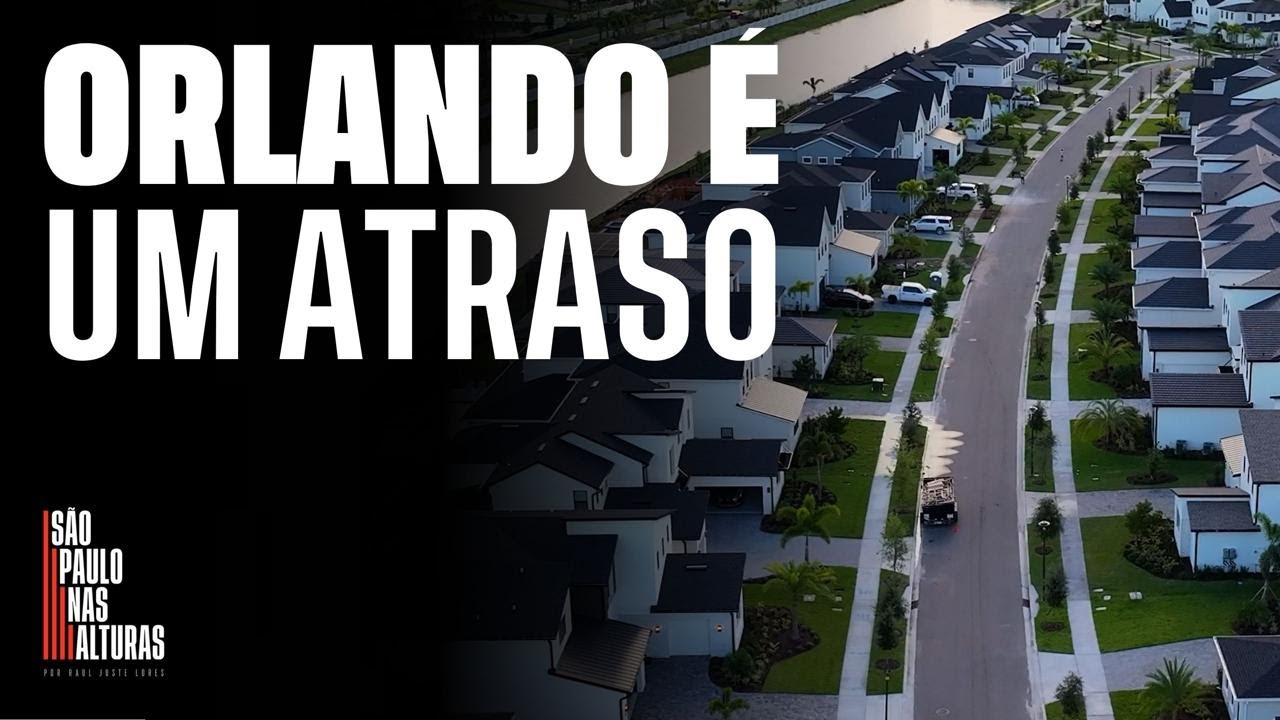
ORLANDO É UM ATRASO | Estrago ambiental do estilo de vida na cidade que deslumbra muitos brasileiros

UCSP-Chapter 2.5
5.0 / 5 (0 votes)

