Pergerakan Nasional Indonesia / Sejarah Kelas XI / Kurikulum Merdeka
Summary
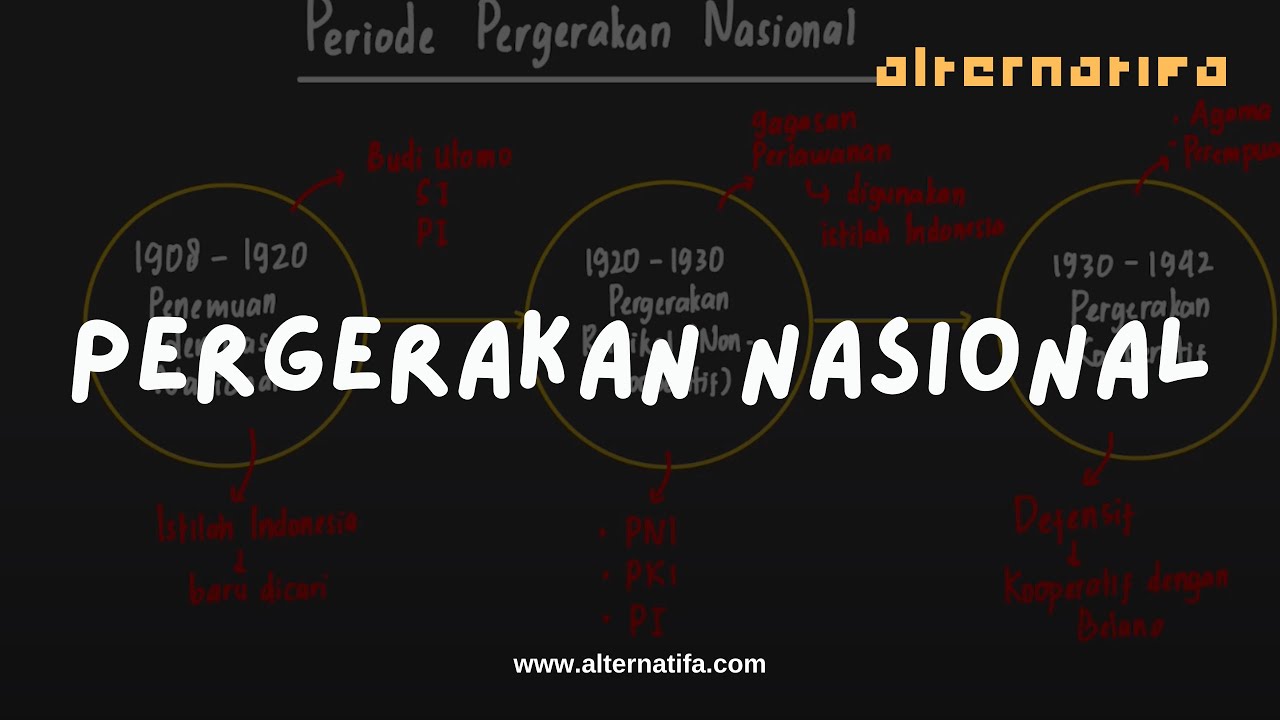
TLDRThis video explores Indonesia's National Movement, beginning in the early 20th century, with a focus on the 1908 National Awakening. It highlights the key factors leading to the movement, such as the emergence of educated elites, the impact of colonial policies, and the exploitation of natural resources by the Dutch. The video discusses various movements and organizations like Budi Utomo, Sarekat Islam, and the Youth Congress, emphasizing the role of media and literature in spreading nationalist ideas. The overall aim was to unify and inspire Indonesians to fight for independence from colonial rule.
Takeaways
- 😀 The early 20th century marked the beginning of Indonesia's National Movement, which was a significant period in the country's history, starting with the 1908 awakening of national consciousness.
- 😀 The National Movement was driven by various factors, including the exploitation, discrimination, and injustices faced by the Indonesian people under Dutch colonial rule.
- 😀 The emergence of educated Indonesians, a result of the ethical politics (politiek etisch) initiated by the Dutch, played a key role in sparking the National Movement.
- 😀 The legacy of past Indonesian kingdoms, such as Majapahit and Sriwijaya, served as inspiration for a collective effort to regain national glory and independence.
- 😀 Racial discrimination by the Dutch further fueled the desire for independence and unity among Indonesians, encouraging them to rise against colonial rule.
- 😀 Dutch colonial policies, including the exploitation of Indonesia's natural resources, worsened the plight of Indonesians, leading to increased poverty and social unrest.
- 😀 Education under the ethical politics policy helped produce a class of educated individuals who became leaders in the National Movement, advocating for change.
- 😀 World War I (1914-1918) inspired a global anti-colonial sentiment, which also resonated in Indonesia, motivating the people to fight for independence.
- 😀 Indonesia's National Movement was shaped both by internal factors, such as shared suffering and national awareness, and external factors, such as global political influences.
- 😀 Key organizations like Budi Utomo, Syarekat Islam, and the Indonesian Nationalist Party (Indies Parage) were crucial in organizing and mobilizing the Indonesian struggle for independence.
Q & A
What marked the beginning of the Indonesian national movement?
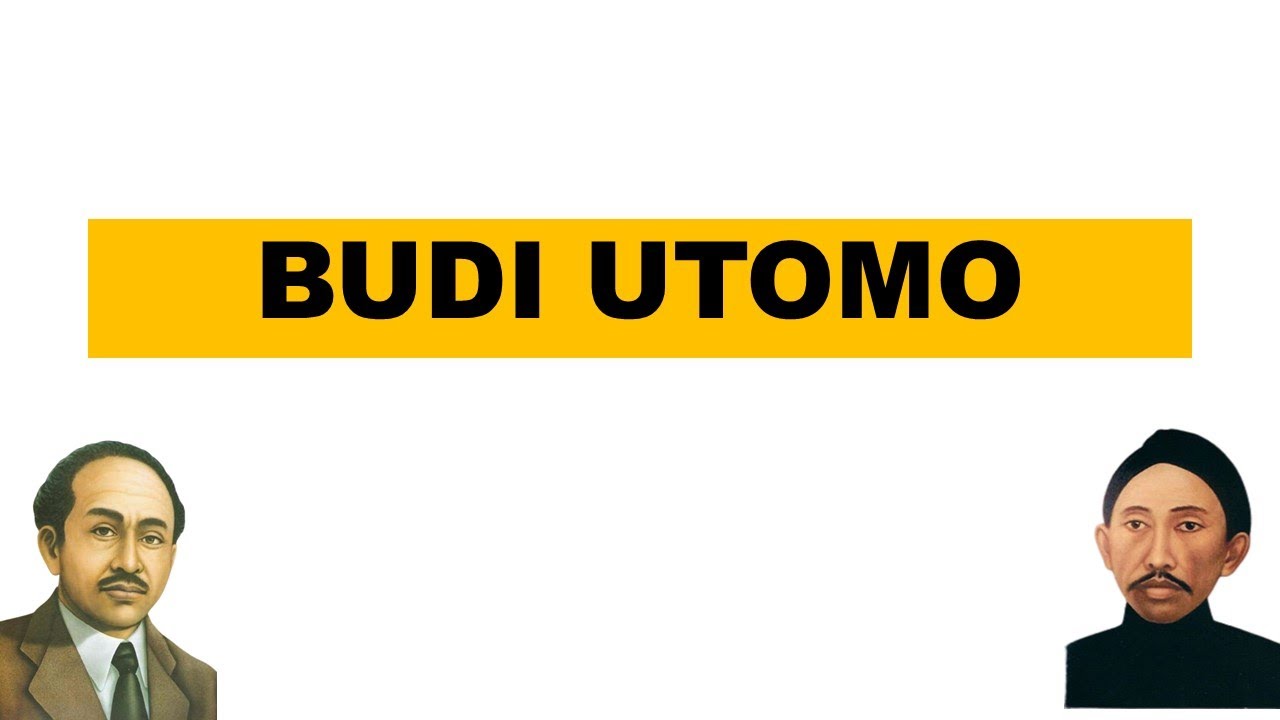
-The beginning of the Indonesian national movement is marked by the year 1908, which coincides with the founding of Budi Utomo, a key organization that focused on education and cultural advancement.
What were the main internal factors that triggered the Indonesian national movement?
-The main internal factors included the shared suffering under Dutch colonial rule, racial discrimination, awareness of historical national glory from past kingdoms, and the emergence of educated Indonesians who became leaders of the movement.
How did the Dutch Ethical Policy contribute to the rise of nationalism?
-Although the Ethical Policy aimed to improve welfare, it provided education to a limited number of indigenous people, creating a class of educated Indonesians who became leaders of the nationalist movement.
What role did the legacy of past kingdoms play in the nationalist movement?
-The legacy of powerful historical kingdoms like Majapahit and Sriwijaya inspired Indonesians to reclaim national pride and strive for independence.
How did global events like World War I influence the Indonesian national movement?
-World War I weakened colonial powers and inspired nationalist sentiments. Japan's victory over Russia also encouraged anti-colonial movements across Asia, including Indonesia.
Which organizations were central to the Indonesian national movement?
-Key organizations included Budi Utomo (1908), Sarekat Islam (1911), Indische Partij (1912), and the Youth Congress, which promoted unity and culminated in the Sumpah Pemuda (Youth Pledge).
How did the press and literature contribute to the national movement?
-The press spread awareness of colonial injustices, disseminated nationalist ideas, built solidarity, shaped public opinion, and inspired social change through literature that highlighted the struggle for independence.
Who were some prominent figures in journalism and literature supporting nationalism?
-Key figures included Ki Hajar Dewantara, Tirto Adisuryo, The West Decker, Armijn Pane, and Sutan Takdir Alisabana, who used newspapers and literature to promote nationalism and anti-colonialism.
What were the external factors influencing the nationalist movement?
-External factors included global political changes, the effects of world wars, and foreign anti-colonial propaganda, which accelerated the Indonesian push for independence.
How did social and economic conditions under colonial rule drive nationalist sentiment?
-Exploitation of natural resources, poverty caused by colonial policies, and social inequalities created widespread dissatisfaction, motivating Indonesians to unite against colonial rule.
What was the significance of the Youth Congress and the Sumpah Pemuda?
-The Youth Congress united young Indonesians from different regions, and the Sumpah Pemuda (Youth Pledge) solidified the commitment to one motherland, one nation, and one language, strengthening national identity and unity.
Outlines

Cette section est réservée aux utilisateurs payants. Améliorez votre compte pour accéder à cette section.
Améliorer maintenantMindmap

Cette section est réservée aux utilisateurs payants. Améliorez votre compte pour accéder à cette section.
Améliorer maintenantKeywords

Cette section est réservée aux utilisateurs payants. Améliorez votre compte pour accéder à cette section.
Améliorer maintenantHighlights

Cette section est réservée aux utilisateurs payants. Améliorez votre compte pour accéder à cette section.
Améliorer maintenantTranscripts

Cette section est réservée aux utilisateurs payants. Améliorez votre compte pour accéder à cette section.
Améliorer maintenant



5.0 / 5 (0 votes)

