BBC Engineering Craft Studies EP 5 Properties and Grain Structure
Summary
TLDRThis video script explores the structure and properties of metals, particularly focusing on how grain structures affect their strength, hardness, and ductility. It explains the process of revealing grain structures in metals like aluminium and steel through etching, and how cold working, heat treatment, and recrystallization modify these grains. The script also discusses how varying carbon content in steel influences its mechanical properties, and how processes like normalizing, quenching, and tempering can enhance or alter the metal's characteristics. The content provides an in-depth look at the crucial role of grain structure in material science and engineering.
Takeaways
- 🔹 All metals are composed of grains, which are tiny crystals forming the metal's microstructure.
- 🔍 Grains can be visible in some metals like zinc coatings, but others, like aluminum, require polishing and etching to be seen.
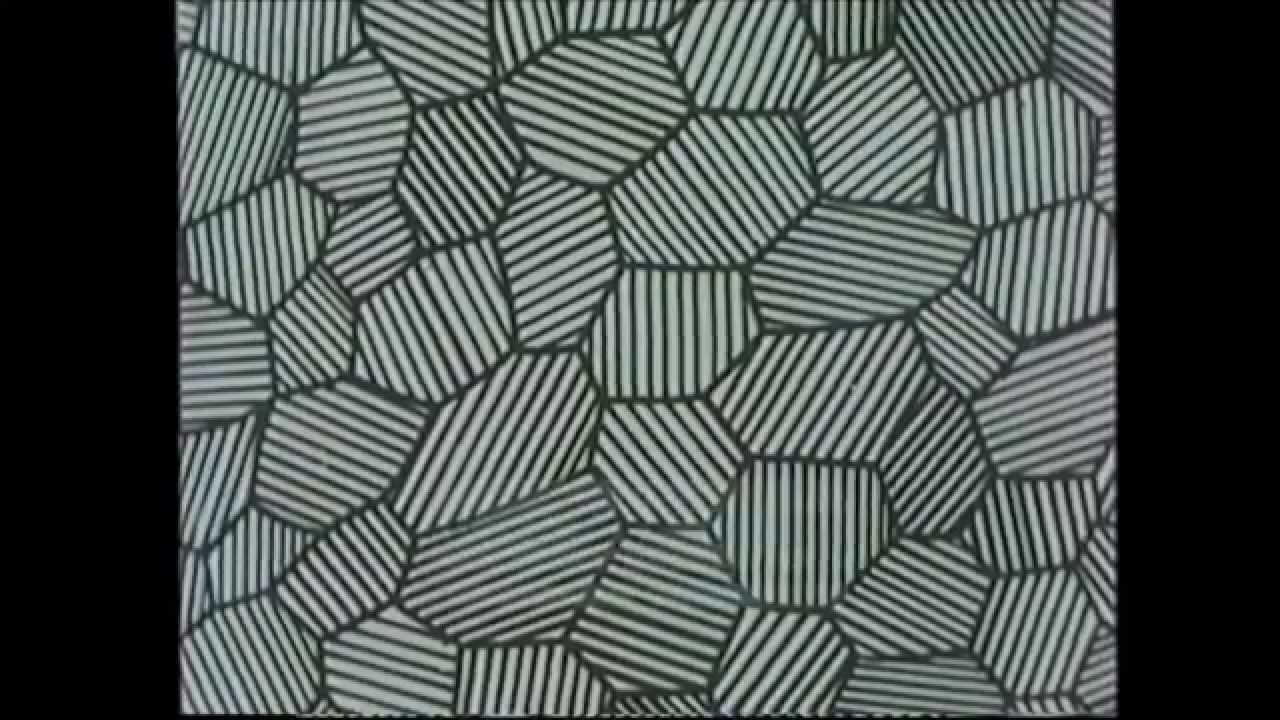
- 🏭 Grains form during the solidification of molten metals, growing outward until they meet neighboring crystals.
- ⚙️ Cold working, such as rolling metal at low temperatures, elongates and distorts grains, increasing hardness and tensile strength while reducing ductility.
- 🔥 Recrystallization occurs when cold-worked metals are heated, forming new grains that restore softness and ductility.
- ⚖️ Excessive heating during recrystallization can cause some grains to grow at the expense of others, potentially creating undesirable properties.
- 🔬 Plain carbon steel consists of ferrite (soft, ductile) and pearlite (hard, strong) grains, with their ratio depending on carbon content.
- 🌡️ Heat treatment of steel, including normalizing, quenching, and tempering, modifies grain structure to achieve desired mechanical properties like toughness, hardness, and ductility.
- 💡 Normalizing produces smaller, uniform grains and increases toughness by controlled heating and cooling in air.
- 💎 Quenching creates hard, needle-like structures in steel, which can be tempered to reduce brittleness while retaining hardness.
- 📊 The mechanical properties of metals are directly influenced by grain size, shape, and distribution, which can be controlled through thermal and mechanical processing.
- 🧪 Etching metals with chemicals makes grain structures visible by highlighting differences in light reflection from each grain.
Q & A
What are grains in metals and how can they be observed?
-Grains, also called crystals, are the small, organized regions that make up the structure of metals. They can sometimes be seen on surfaces of zinc-coated objects, but for metals like aluminum, they are made visible through polishing to a mirror finish followed by chemical etching.
What is the purpose of etching a metal surface?
-Etching reveals the grain structure of metals by reacting with the surface in a controlled way. It allows metallurgists to study the size, shape, and uniformity of grains, which directly influence the material's properties.
How do grains form when a metal solidifies from its molten state?
-As molten metal cools, tiny crystals begin to form at multiple points. Each crystal grows outward in all directions until it meets neighboring crystals. These fully grown crystals are called grains, and the boundaries between them define the metal's microstructure.
What effect does cold working have on the grain structure of aluminum?
-Cold working, such as rolling metal sheets, elongates and distorts the grains in the direction of the deformation. This increases hardness and tensile strength but decreases ductility.
What is recrystallization and what effect does it have on cold-worked metals?
-Recrystallization occurs when cold-worked metals are heated to a sufficient temperature. New, undistorted grains form, replacing the elongated ones. This process restores ductility and reduces hardness.
How does the carbon content in steel influence its grain structure?
-Carbon content determines the proportion of ferrite (ductile) and pearlite (hard) grains in steel. Low-carbon steel contains mostly ferrite, medium-carbon steel has a mix, and higher-carbon steel contains mostly pearlite.
What is the purpose of normalizing steel and what changes occur in the grains?
-Normalizing involves heating steel to about 720°C and cooling it in air. It reduces grain size, makes grains more uniform, and improves toughness by refining the grain structure.
How does quenching affect the properties and grain structure of steel?
-Quenching involves heating steel to a high temperature and rapidly cooling it in water. This forms hard, needle-like grains that increase hardness but also make the steel brittle.
What is tempering in steel treatment and why is it used?
-Tempering is heating quenched steel to a lower temperature (e.g., ~500°C) to reduce brittleness while maintaining hardness. It modifies the needle-like structure, allowing small flakes of carbon to form within each needle.
How do mechanical properties like hardness, tensile strength, and ductility relate to grain structure?
-Grain structure directly affects mechanical properties: elongated grains from cold working increase hardness and strength but decrease ductility, while finer, uniform grains from recrystallization or normalizing improve toughness and restore ductility.
Why is excessive grain growth undesirable in engineering applications?
-Excessive grain growth can lead to uneven or coarse grains, reducing material toughness and ductility, and potentially causing mechanical failure under stress.
Why is safety important when etching metals to reveal grains?
-Etching requires strong acids and chemical treatments. Proper safety measures like gloves are essential to prevent chemical burns or injury during the process.
Outlines

Cette section est réservée aux utilisateurs payants. Améliorez votre compte pour accéder à cette section.
Améliorer maintenantMindmap

Cette section est réservée aux utilisateurs payants. Améliorez votre compte pour accéder à cette section.
Améliorer maintenantKeywords

Cette section est réservée aux utilisateurs payants. Améliorez votre compte pour accéder à cette section.
Améliorer maintenantHighlights

Cette section est réservée aux utilisateurs payants. Améliorez votre compte pour accéder à cette section.
Améliorer maintenantTranscripts

Cette section est réservée aux utilisateurs payants. Améliorez votre compte pour accéder à cette section.
Améliorer maintenantVoir Plus de Vidéos Connexes




5.0 / 5 (0 votes)

