Animasi Ekosistem - Video Dokumenter
Summary
TLDRThis script discusses various types of ecosystems, both aquatic and terrestrial. It explains the components of aquatic ecosystems, such as marine and freshwater environments, and the diverse life forms they support, including plankton, nekton, and benthos. The script then shifts to terrestrial ecosystems, highlighting biomes like tropical rainforests, savannas, deserts, deciduous forests, taiga, and tundras, each with distinct flora and fauna adapted to their climates. The narrative emphasizes the importance of climate and geographical factors in shaping these ecosystems and their biodiversity.
Takeaways
- 😀 Ecosystems are shaped by both abiotic and biotic factors, with their composition determining the type of ecosystem.
- 😀 Aquatic ecosystems are primarily composed of water and include both marine and freshwater types.
- 😀 Marine ecosystems, such as oceans and seas, support diverse species, including fish, dolphins, whales, and plankton.
- 😀 Freshwater ecosystems, found in rivers and lakes, are home to organisms like fish, frogs, and freshwater invertebrates.
- 😀 The biotic components of aquatic ecosystems include plankton (phytoplankton and zooplankton), nekton (actively swimming organisms), and neuston (surface-floating organisms).
- 😀 Benthos consists of organisms that live on the bottom of the water, such as crabs, shrimp, and worms.
- 😀 Periphyton organisms attach to surfaces in the water, including algae and snails.
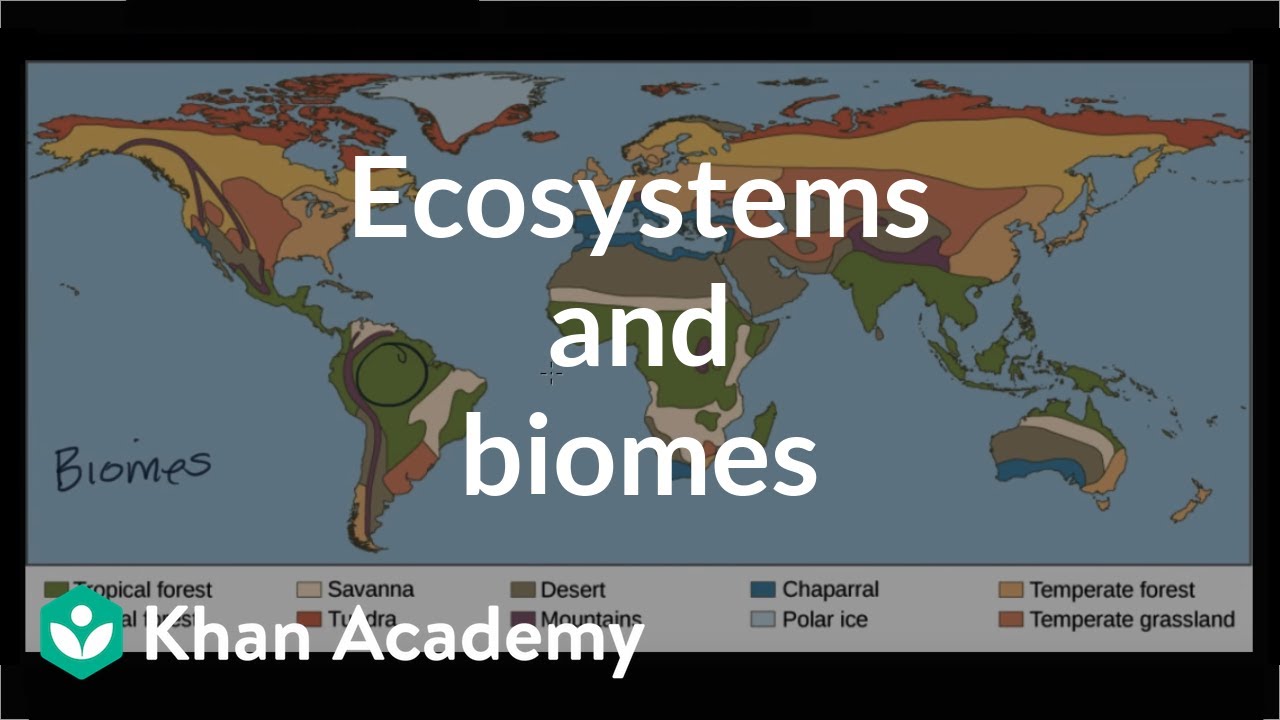
- 😀 Terrestrial ecosystems, or biomes, are influenced by climate and geographic factors such as latitude and altitude.
- 😀 Tropical rainforests are characterized by rich biodiversity, large trees, epiphytes, and animals like monkeys and birds in the humid canopy.
- 😀 Savannas are grassland ecosystems with scattered trees, supporting large herbivores like zebras and elephants.
- 😀 Desert ecosystems are dry and hot, with vegetation like cacti and animals such as lizards and rodents adapting to harsh conditions.
- 😀 Deciduous forests, found in temperate climates, experience clear seasonal changes and are home to animals like deer, squirrels, and black bears.
- 😀 Taiga (boreal forests) dominate northern regions and are home to coniferous trees and animals like brown bears and deer.
- 😀 Tundras, located in polar regions, have limited vegetation like moss and lichen and are inhabited by animals like reindeer and migratory birds.
Q & A
What are the two main types of ecosystems discussed in the script?
-The two main types of ecosystems are aquatic ecosystems and terrestrial ecosystems.
What is the primary abiotic component of aquatic ecosystems?
-The primary abiotic component of aquatic ecosystems is water.
How can aquatic ecosystems be further categorized based on their abiotic components?
-Aquatic ecosystems can be categorized into marine ecosystems (saltwater) and freshwater ecosystems (rivers, lakes, etc.).
What are some examples of organisms found in marine ecosystems?
-Marine ecosystems contain various life forms, such as fish, marine mammals (dolphins, whales), plankton, algae, and seaweed.
What types of organisms can be found in freshwater ecosystems?
-Freshwater ecosystems support organisms like freshwater fish, amphibians (frogs), invertebrates (e.g., freshwater shrimp), and aquatic plants like water lilies and duckweed.
What is the difference between plankton and nekton in aquatic ecosystems?
-Plankton are organisms that are passively moved by water currents (e.g., phytoplankton, zooplankton), while nekton are organisms that can swim actively (e.g., fish, frogs).
What are some examples of terrestrial biomes mentioned in the script?
-The script mentions several terrestrial biomes, including tropical rainforests, savannas, deserts, deciduous forests, taiga (boreal forests), and tundras.
How does climate influence the types of biomes on land?
-Climate, particularly temperature and precipitation, influences the vegetation and wildlife that can survive in a biome. Biomes are often named based on the dominant plant species and are shaped by geographic location, altitude, and latitude.
What is the characteristic vegetation found in savannas?
-Savannas are characterized by tall grasses and scattered trees, such as acacias.
What types of animals are adapted to survive in desert biomes?
-Animals in desert biomes, such as lizards, snakes, and rodents, are adapted to survive harsh, dry conditions with minimal vegetation.
Which animals are commonly found in temperate deciduous forests?
-In temperate deciduous forests, common animals include black bears, deer, and squirrels, all of which rely on the diverse vegetation in these forests.
What are some key features of the tundra biome?
-The tundra biome is found in polar regions and is characterized by long, cold winters, limited vegetation (like mosses and lichens), and animals such as migratory birds, reindeer, and arctic foxes.
Outlines

Cette section est réservée aux utilisateurs payants. Améliorez votre compte pour accéder à cette section.
Améliorer maintenantMindmap

Cette section est réservée aux utilisateurs payants. Améliorez votre compte pour accéder à cette section.
Améliorer maintenantKeywords

Cette section est réservée aux utilisateurs payants. Améliorez votre compte pour accéder à cette section.
Améliorer maintenantHighlights

Cette section est réservée aux utilisateurs payants. Améliorez votre compte pour accéder à cette section.
Améliorer maintenantTranscripts

Cette section est réservée aux utilisateurs payants. Améliorez votre compte pour accéder à cette section.
Améliorer maintenant


5.0 / 5 (0 votes)

