How to Dribble | Basketball
Summary
TLDRThis video teaches the fundamentals of dribbling in basketball, focusing on three key elements: proper positioning, ball control, and maintaining a low dribble. It explains how to stand in the Triple Threat position, how to control the ball with your fingers, and the importance of keeping your dribble low for better control. The video also emphasizes the need to practice with both hands and offers drills like dribbling two balls to enhance skill. By following these techniques, players can improve their dribbling and reduce the chances of losing the ball to opponents.
Takeaways
- 😀 Position yourself correctly in the Triple Threat position with a slight backward tilt of the hips to reduce the distance between the ball and the ground.
- 😀 Keep your back straight and head up to improve awareness of your surroundings while dribbling.
- 😀 Always control the ball by keeping your hand above it. Avoid carrying the ball by not letting your hands go underneath it.
- 😀 Use only your fingers to touch the ball, not the palm of your hand, and keep your wrist flexible to maintain control.
- 😀 Don’t hit the ball; instead, let your hand follow the ball as it falls, allowing it to bounce back at the same speed.
- 😀 Don’t look at the ball while dribbling. Focus your eyes on a point in the distance to improve your feel for the ball.
- 😀 Dribble low, ideally at knee height, to make it harder for opponents to steal the ball.
- 😀 Keep your dribble under control, as higher and slower dribbles increase the risk of losing possession.
- 😀 Practice dribbling with both hands to become versatile, as you may need to use your non-dominant hand during a game.
- 😀 To improve control and skill, try dribbling two balls at the same time, and work on getting as low as possible during practice.
Q & A
Why is positioning important when dribbling a basketball?
-Positioning is important because it allows the player to control the ball better and make quicker, more effective movements. By standing in the Triple Threat position, the player can reduce the distance between the ball and the ground, keeping the ball close and ready for quick decisions.
What is the Triple Threat position and how does it help with dribbling?
-The Triple Threat position involves standing with your back straight, hips slightly drawn back, and the ball positioned low and close to your body. This position makes it easier to protect the ball from opponents and enables quicker changes in direction while dribbling.
What is the significance of controlling the ball while dribbling?
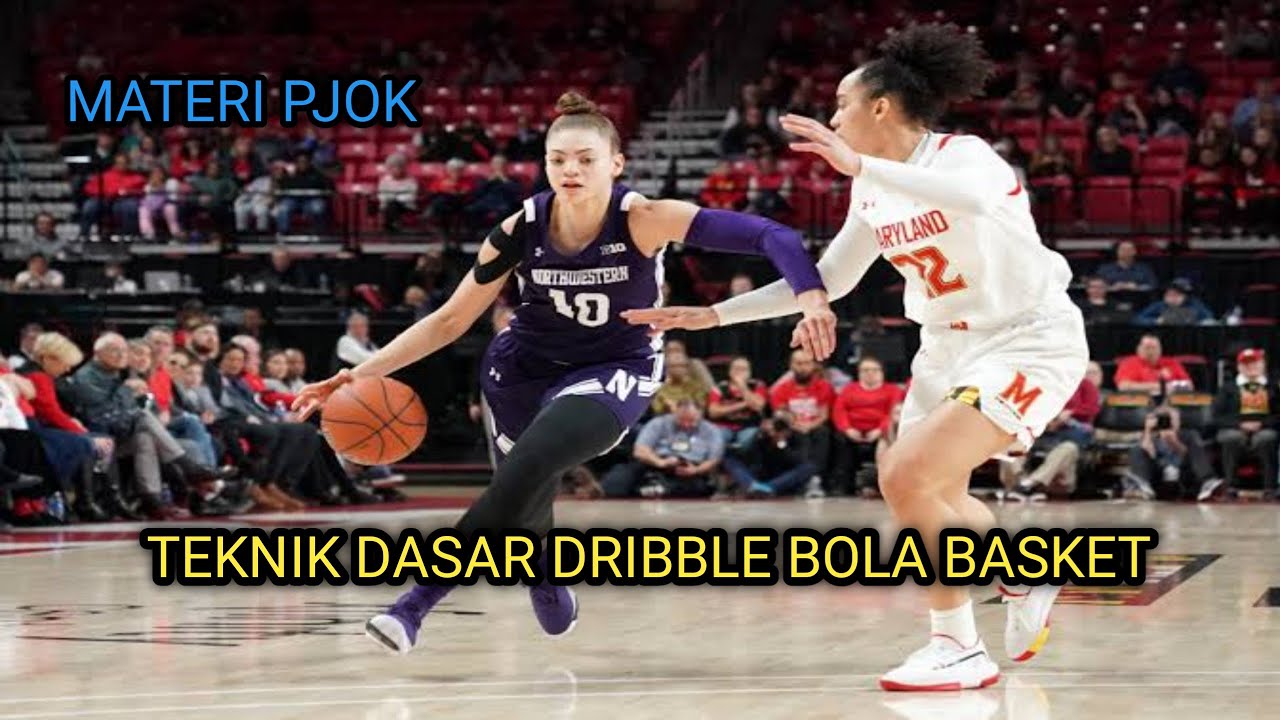
-Controlling the ball ensures that the player maintains possession and avoids turnovers. When dribbling, your hand should stay above the ball to avoid carrying it. By spreading your fingers and using your fingers, not your palms, you ensure better control and responsiveness.
What is considered carrying the ball while dribbling?
-Carrying the ball occurs when a player's hand goes underneath the ball during a dribble. This results in the ball being turned over to the opposing team.
How should your wrist be positioned when dribbling?
-Your wrist should remain flexible when dribbling. You shouldn't hit the ball, but rather follow its natural bounce as it falls, maintaining control and fluidity in the movement.
Why should you avoid looking at the ball when dribbling?
-Looking at the ball takes your attention away from your surroundings and potential threats from opponents. You should practice dribbling by feeling the ball, keeping your eyes focused on a point in the distance to enhance awareness and anticipation.
What is the ideal height for dribbling the ball?
-The ideal height for dribbling is knee level. Dribbling at this height keeps the ball low and controlled, making it more difficult for opponents to steal the ball.
What happens when you dribble the ball higher than your hip level?
-Dribbling higher than your hip level increases the risk of losing control of the ball. A higher and slower dribble gives opponents more opportunities to steal the ball.
Why is it important to practice dribbling with both hands?
-Practicing with both hands is essential because, during games, you may not always be able to use your dominant hand. Being ambidextrous gives you greater flexibility and control over the ball.
What is the benefit of dribbling two balls at the same time?
-Dribbling two balls at the same time helps improve coordination, hand-eye coordination, and ball control. It forces you to focus on maintaining control with both hands simultaneously, which translates into better overall dribbling skills.
Outlines

Dieser Bereich ist nur für Premium-Benutzer verfügbar. Bitte führen Sie ein Upgrade durch, um auf diesen Abschnitt zuzugreifen.
Upgrade durchführenMindmap

Dieser Bereich ist nur für Premium-Benutzer verfügbar. Bitte führen Sie ein Upgrade durch, um auf diesen Abschnitt zuzugreifen.
Upgrade durchführenKeywords

Dieser Bereich ist nur für Premium-Benutzer verfügbar. Bitte führen Sie ein Upgrade durch, um auf diesen Abschnitt zuzugreifen.
Upgrade durchführenHighlights

Dieser Bereich ist nur für Premium-Benutzer verfügbar. Bitte führen Sie ein Upgrade durch, um auf diesen Abschnitt zuzugreifen.
Upgrade durchführenTranscripts

Dieser Bereich ist nur für Premium-Benutzer verfügbar. Bitte führen Sie ein Upgrade durch, um auf diesen Abschnitt zuzugreifen.
Upgrade durchführenWeitere ähnliche Videos ansehen




5.0 / 5 (0 votes)

