Bikin Video Bagusnya Pake Berapa FPS Pada Kamera ??
Summary
TLDRIn this video, Erwin provides a concise guide on choosing the right FPS (frames per second) for videography. He explains the fundamentals of FPS, its impact on video smoothness, and how different frame rates suit various content types. From cinematic 24fps for films, common 30fps for online content, to 60fps for high-end tech reviews and slow-motion effects, Erwin breaks down the practical uses and platform considerations. He also touches on NTSC vs. PAL systems and how FPS choices affect video delivery. The video aims to give beginners clear guidance on selecting FPS based on their creative goals and content style.
Takeaways
- 😀 FPS (Frames Per Second) indicates how many individual images are displayed per second in a video, affecting its smoothness and feel.
- 😀 Choosing the right FPS depends on the purpose of the content and the desired visual style.
- 😀 Standard TV broadcast in Indonesia (PAL system) typically uses 25 or 50 FPS, but this is less relevant for online content.
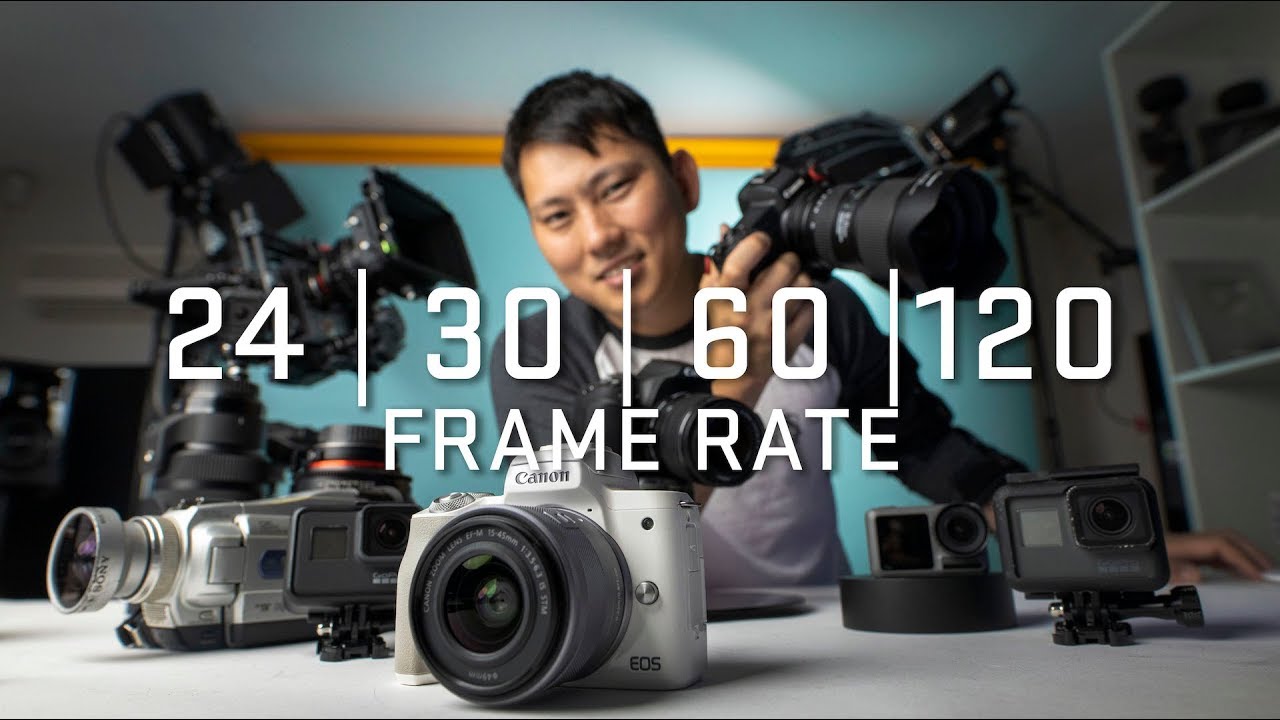
- 😀 NTSC systems, commonly used for online platforms, offer FPS options like 24, 30, 60, and sometimes 120.
- 😀 24 FPS is considered cinematic and natural, often used for filmmaking to replicate the look of traditional movies.
- 😀 30 FPS is commonly used for online content and YouTube, providing a smoother but still natural appearance.
- 😀 60 FPS gives a very smooth, luxurious feel and is often used for technology or product review videos.
- 😀 Recording at higher FPS like 60 or 120 allows for slow-motion effects when delivered at lower FPS.
- 😀 Camera mode selection (PAL or NTSC) is important because it determines the FPS options available during recording.
- 😀 There is no single 'correct' FPS; creators should choose based on the type of content, platform, and desired effect.
Q & A
What does FPS stand for and what does it represent in videography?
-FPS stands for 'Frames Per Second' and it represents the number of individual frames or images displayed per second in a video. It determines how smooth or cinematic the motion appears in the footage.
How does the choice of FPS affect the look and feel of a video?
-The FPS affects the smoothness and perceived realism of motion. Lower FPS like 24 fps gives a cinematic, natural feel similar to what the human eye sees in movies, while higher FPS like 60 fps creates smoother, more luxurious motion but can appear less natural.
Why are there different FPS standards for TV broadcasting?
-Different regions have broadcast standards like PAL (25 or 50 fps) and NTSC (24, 30, 60 fps). These standards ensure compatibility with TV systems in various countries. Choosing the correct FPS ensures proper playback on the intended platform.
Which FPS is generally recommended for filmmaking and why?
-24 fps is recommended for filmmaking because it produces the classic cinematic look, making motion appear natural and immersive, which is consistent with how Hollywood films are delivered.
Why do many content creators prefer using 30 fps for online videos?
-30 fps is widely supported across social media platforms and offers a balance between smooth motion and file size. It provides a slightly smoother image than 24 fps while remaining familiar and standard for online content.
What is the purpose of shooting at 60 fps in content creation?
-60 fps is used to create very smooth and luxurious-looking motion, often for product reviews or high-end technology demonstrations. It can also be slowed down to create slow-motion effects without losing quality.
How can higher FPS like 60 or 120 fps be used for slow-motion effects?
-If a video is recorded at 60 fps or 120 fps but delivered at a lower FPS (like 30 fps), the footage can be slowed down proportionally. For example, 60 fps footage can be slowed down 2x, and 120 fps footage can be slowed 4x for smooth slow-motion playback.
What are some differences between NTSC and PAL FPS options in cameras?
-PAL cameras typically offer 25 and 50 fps, while NTSC cameras offer 24, 30, and 60 fps. Choosing the mode affects which FPS options are available for recording, depending on your project needs.
Why might 60 fps feel unnatural when used in films?
-60 fps can make motion appear too smooth and artificial, which deviates from the natural perception of motion by the human eye. This smoothness can reduce the cinematic feel of a scene.
What factors should be considered when choosing FPS for a video?
-Factors include the intended delivery platform (TV, social media), the type of content (film, review, slow-motion), the desired aesthetic (cinematic, smooth, luxurious), and technical considerations like camera capabilities and broadcast standards.
What is the difference between the terms 'FPS' and 'frame rate'?
-FPS is the unit of measurement for frame rate, which is the actual number of frames displayed per second in a video. Asking 'what FPS do you use?' is equivalent to asking 'what frame rate do you use?'
How does camera choice affect FPS selection?
-Different cameras have different FPS capabilities and modes (NTSC or PAL). Some cameras may not offer 24 fps at launch or may require selecting a specific mode to unlock certain frame rates. Understanding your camera's options ensures correct FPS usage for your project.
Outlines

此内容仅限付费用户访问。 请升级后访问。
立即升级Mindmap

此内容仅限付费用户访问。 请升级后访问。
立即升级Keywords

此内容仅限付费用户访问。 请升级后访问。
立即升级Highlights

此内容仅限付费用户访问。 请升级后访问。
立即升级Transcripts

此内容仅限付费用户访问。 请升级后访问。
立即升级



5.0 / 5 (0 votes)

