GESTÃO AMBIENTAL E SUSTENTABILIDADE - VIDEOAULA AULA 2
Summary
TLDRThis lecture explores the intersection of economics and environmental management, emphasizing the importance of sustainability in achieving a balanced relationship between economic development and environmental conservation. Key concepts include the 'triple bottom line' of sustainability: economic, social, and environmental factors. The session covers the value of natural resources, environmental impacts of economic activities, and strategies like circular economy and sustainable investments. It concludes with a focus on the UN's Sustainable Development Goals and the role of businesses in fostering responsible practices. The session encourages students to apply global thinking and local actions to promote a sustainable future.
Takeaways
- 😀 The course focuses on environmental management and sustainability, with the second lesson highlighting the relationship between the economy and the environment.
- 🌍 The sustainability triad consists of three key pillars: economic, social, and environmental, which are essential for achieving sustainable results in business and society.
- 💡 Sustainability is not only about preserving the environment but also optimizing resource use, which can lead to greater economic value for companies.
- 🌱 The concept of environmental economics emphasizes the importance of recognizing the intrinsic value of natural resources and the impact of economic decisions on the environment.
- 📊 Economic sustainability requires efficiency, transparency, and waste reduction to create value without negatively impacting the environment or society.
- 🌍 The importance of sustainability lies in balancing economic development with environmental preservation, ensuring that future generations can meet their needs.
- ⚖️ Economic activities often have negative environmental impacts, such as pollution and resource depletion, so it’s essential to minimize these and restore the environment through compensatory actions.
- ♻️ The concept of circular economy challenges the traditional 'use and discard' model by promoting the reduction of waste, reuse of materials, and sustainable practices.
- 💰 Sustainable investments, such as those in companies with strong environmental, social, and governance (ESG) practices, are becoming increasingly common and prove that sustainability can be profitable.
- 🌐 The course emphasizes that companies play a crucial role in achieving the United Nations' Sustainable Development Goals, which connect the economy, society, and the environment.
- 📚 The lesson concludes by encouraging students to think globally and act locally, applying sustainable practices in both business and everyday life, and preparing for future management roles.
Q & A
What is the main focus of the second class in the Environmental Management and Sustainability course?
-The second class focuses on the relationship between economy and the environment, highlighting challenges, opportunities, and strategies to integrate sustainable practices into economic management.
What are the three pillars of sustainability discussed in the class?
-The three pillars of sustainability are the economic, social, and environmental dimensions. Economic relates to efficiency and transparency, social to human rights and social responsibility, and environmental to resource use, recycling, and emissions management.
How is environmental economics defined in the transcript?
-Environmental economics is an economic approach that considers the value of natural resources and environmental impacts in economic decision-making, aiming to balance economic growth with environmental conservation.
Why is sustainability important for businesses according to the lecture?
-Sustainability is important for businesses because it helps optimize resource use, reduces negative environmental impacts, and can create economic value, ensuring long-term viability and responsible corporate practices.
What are externalities in the context of economy and environment?
-Externalities are costs or impacts of economic activities that are not accounted for in traditional financial statements, such as air and water pollution or greenhouse gas emissions, which affect the environment and society.
What economic instruments were mentioned to promote sustainability?
-The lecture mentioned environmental taxes, fees, and carbon markets as economic instruments to incentivize the reduction of environmental impacts and promote sustainable practices.
What is the concept of a circular economy?
-A circular economy is an innovative model that seeks to reduce waste, reuse materials, and promote sustainable practices, moving away from the traditional 'use and dispose' mindset and following the principles of reduce, reuse, and recycle.
How do sustainable investments contribute to environmental and economic goals?
-Sustainable investments support companies that follow environmental, social, and governance (ESG) criteria, proving that profitable financial returns can align with environmentally and socially responsible practices.
What are the differences between green economy, environmental economy, and ecological economy?
-Green economy focuses on poverty reduction, low carbon emissions, and efficient resource use. Environmental economy assigns monetary value to environmental goods and considers impacts for economic growth. Ecological economy treats the environment as a subsystem, often emphasizing steady-state or degrowth rather than continuous economic expansion.
What key advice does the lecturer provide for applying sustainability principles in everyday decision-making?
-The lecturer advises to 'think globally, act locally,' encouraging individuals and future environmental managers to consider global sustainability impacts while taking concrete local actions to preserve the environment and balance economic activities.
How does industrialization, urbanization, and consumption affect the environment?
-Industrialization, urbanization, and excessive consumption contribute to negative environmental impacts, including climate change, extreme weather events, and biodiversity loss, highlighting the need for sustainable economic practices.
What role do companies play in achieving the United Nations Sustainable Development Goals (SDGs)?
-Companies have a crucial role in promoting SDGs by integrating economic, social, and environmental considerations into their operations, practicing corporate responsibility, and contributing to sustainable development.
Outlines

This section is available to paid users only. Please upgrade to access this part.
Upgrade NowMindmap

This section is available to paid users only. Please upgrade to access this part.
Upgrade NowKeywords

This section is available to paid users only. Please upgrade to access this part.
Upgrade NowHighlights

This section is available to paid users only. Please upgrade to access this part.
Upgrade NowTranscripts

This section is available to paid users only. Please upgrade to access this part.
Upgrade NowBrowse More Related Video

ESPA4317 Ekonomi Sumber Daya Alam dan Lingkungan - Prinsip2 Ekonomi SDAL

Pengelolaan SDA Berkelanjutan #bag 2 ,(kumer).

Islam dan Lingkungan Hidup | Ust. Alhafiz Kurniawan

Ética e formação - Conteúdo 11: O Biólogo e a Conservação do Meio Ambiente
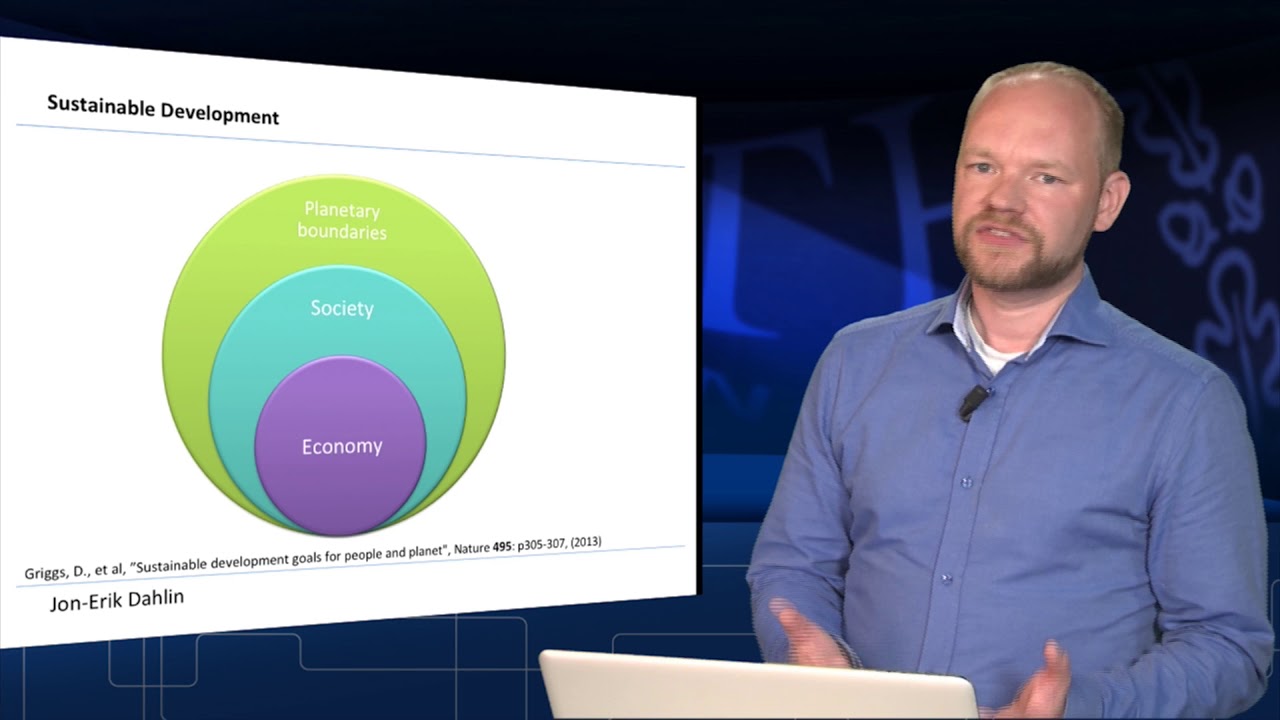
Economic, environmental and social sustainability: Sustainable Development - Jon Erik Dahlin

O Que É Sustentabilidade
5.0 / 5 (0 votes)
