How RAILWAY SIGNALLING Evolved from Flags to 4G Network
Summary
TLDRThis video delves into the evolution of railway signaling, from its early days with human flagmen using time-based intervals, to the introduction of mechanical and light signals, and the advanced Automatic Train Protection (ATP) systems used today. The script covers the challenges of increasing railway capacity and safety, with insights on block systems, detection methods, and modern communication technologies like radio and 4G LTE. The history of railway signaling is explored through technological advancements, emphasizing the importance of minimizing headways and improving train speed and braking patterns for better efficiency and safety.
Takeaways
- 😀 Early railways used human 'policemen' to signal trains with flags to manage train intervals.
- 😀 The 'time interval system' was implemented to prevent collisions, but it caused accidents due to inaccurate timing gaps.
- 😀 As rail traffic increased, mechanical signals and telegraph communication replaced manual flag signaling to improve efficiency.
- 😀 Mechanical signals were classified into 'home' (stop) and 'distant' (prepare to stop) signals, improving safety with early warnings.
- 😀 Color light signals, introduced in the late 1800s, provided visibility day and night and required less maintenance than mechanical signals.
- 😀 Automatic Block Signaling (ABS) divided tracks into blocks to track train occupancy and prevent collisions.
- 😀 Track circuits were used to detect train occupancy, signaling when a block was cleared for the next train.
- 😀 Automatic Train Protection (ATP) systems were introduced to monitor train speed and automatically apply brakes if necessary.
- 😀 The moving block system, based on real-time data of train location and speed, increased track capacity and safety by eliminating fixed blocks.
- 😀 Modern communication-based signaling systems use radio technology, allowing for real-time communication between trains and infrastructure, especially for high-speed trains.
Q & A
What is the primary role of the signaling system in railways?
-The signaling system's primary role is to ensure the safe operation of trains, allowing multiple trains to run on the same tracks without colliding. It does this by controlling the movement of trains based on the status of each section of track.
How did the earliest railway signaling system work?
-In the earliest days, railway signaling relied on human 'policemen' who used flags to communicate with train drivers. The system was based on time intervals, with different colored flags indicating the amount of time since the last train passed.
What was the major issue with the time interval signaling system?
-The time interval system had a major flaw: it couldn’t ensure that a preceding train had fully cleared the track ahead. This led to accidents, as drivers sometimes believed there was a safe gap between trains when, in reality, the track was still occupied.
How did mechanical signals improve railway safety and capacity?
-Mechanical signals, introduced in the mid-19th century, allowed for more precise control of train movements. They replaced human signaling and enabled railway staff to track train movements remotely, improving both safety and capacity.
What are 'distant signals,' and why were they introduced?
-'Distant signals' were introduced to provide an early warning of the status of signals further along the track. This gave drivers more time to react and adjust their speed, improving safety and enabling higher speeds.
What are the key benefits of color light signals compared to mechanical ones?
-Color light signals are easier to maintain, provide clear visibility both day and night, and are more reliable than mechanical signals. They also helped simplify the signaling system, making it more efficient.
How does the automatic block signaling system work?
-The automatic block signaling system uses track sensors to detect whether a block is occupied. If the block is clear, the system allows the train to proceed; if not, it prevents the train from entering, thus preventing collisions.
What is the difference between track circuits and axle counters for detecting block occupation?
-Track circuits work by sending an electrical current through the rails. When a train enters a section, it short-circuits the current, indicating the block is occupied. Axle counters, on the other hand, count the axles entering and leaving a block, ensuring that it is clear once the number of entering and exiting axles match.
What is the purpose of Automatic Train Protection (ATP) systems?
-ATP systems are designed to monitor and control train speeds in real-time, ensuring safety. If a driver fails to react to a signal or exceeds a speed limit, the ATP system automatically applies the brakes to prevent accidents.
How does the moving block system increase track capacity?
-The moving block system calculates a safe zone around each train based on its speed and location, allowing trains to run closer together while maintaining safe braking distances. This maximizes track capacity by reducing the distance between trains.
Outlines

This section is available to paid users only. Please upgrade to access this part.
Upgrade NowMindmap

This section is available to paid users only. Please upgrade to access this part.
Upgrade NowKeywords

This section is available to paid users only. Please upgrade to access this part.
Upgrade NowHighlights

This section is available to paid users only. Please upgrade to access this part.
Upgrade NowTranscripts

This section is available to paid users only. Please upgrade to access this part.
Upgrade NowBrowse More Related Video

SIGNALLING SYSTEM - UPSC ESE / IRMS / GATE

How do Automatic Block Signals work? | Axle counter | Block and Interlocking system
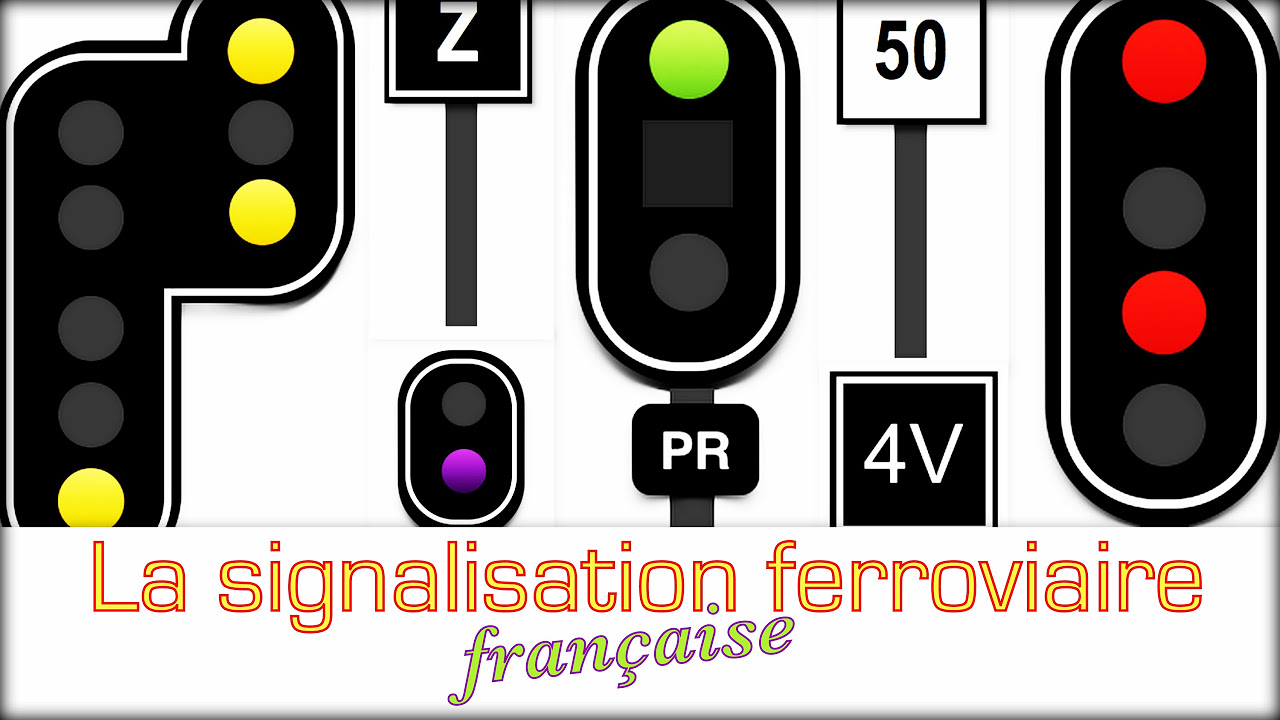
Comprendre... La signalisation ferroviaire française

The Telephone Exchange (1982) British Telecom Schools Film

Traffic boards Part 2 | Indian Railways Traffic Boards

How Chinese characters evolved | The Origin of Chinese characters | EXPLORE MODE
5.0 / 5 (0 votes)
