How to Research Any Topic - Deep-Dive like a PhD Student
Summary
TLDRIn this insightful video, the speaker takes viewers through the research process, offering practical tips for tackling complex projects. From narrowing down a broad topic into a specific research question, to critically analyzing sources, organizing literature, and building a personal knowledge network, the guide provides a roadmap for effective research. Emphasizing the importance of critical thinking, active learning, and proper documentation, the video inspires curiosity and encourages a disciplined, reflective approach to academic and personal research. Perfect for anyone looking to refine their research skills and make the process more intuitive and engaging.
Takeaways
- 😀 Start research by narrowing down your topic from general to specific. Begin with a broad area and refine it into a clear, focused research question.
- 📚 Use a literature review as the foundation of your research. Look for classic papers or recent reviews in your field to get started.
- 🔎 Always check if a journal is peer-reviewed and rely on trusted authors and journals over time to build confidence in your sources.
- 📝 Utilize reference managers (like Zotero or PaperPal) to organize your resources and create a knowledge network that helps you visualize key connections between research papers.
- 🔗 Backtrack citations to explore who is referencing key papers. Forward track by looking at newer studies that cite your key papers to stay updated with the latest developments.
- ⚖️ Stay critical of the sources you read. Not all research is perfect, and it’s important to check for biases, the validity of claims, and limitations in the data.
- 🧠 Focus on the correlation vs causation issue. Most studies in neuroscience, for example, deal with correlations rather than direct causation.
- 🔍 Understand common logical fallacies when evaluating research papers, such as how outliers are treated or if data matches the claims made in the introduction.
- 📊 Record everything you learn. Creating a 'second brain' with tools like Notion or Zotero helps to track your progress, questions, and gaps in knowledge.
- 💡 Make your research active by creating something out of it—write essays, blog posts, or even scripts to consolidate your learning rather than passively absorbing information.
- 📅 Set a consistent schedule for your research sessions. Create daily goals and reflect on what you’ve learned to build momentum and guide your next steps in the process.
Q & A
Why is deep research considered challenging compared to scrolling on a phone?
-Deep research requires focused attention, critical thinking, and time to analyze and connect various pieces of information. This contrasts with the passive nature of scrolling on a phone, where information is often consumed without much effort or engagement.
How can the research process be meditative or helpful in daily life?
-The research process encourages deep focus, critical thinking, and observation. These skills can make individuals more observant in daily life, allowing them to analyze situations or problems with a structured, investigative mindset.
What is the importance of narrowing down a research topic to a specific question?
-Narrowing down the topic ensures that the research is focused and manageable. A specific question allows for a more targeted literature review, helping to find relevant resources and avoiding the overwhelming nature of researching a very broad topic.
How can refining your research question over time be beneficial?
-Refining the research question helps ensure that it remains relevant as new information is gathered. It allows researchers to adapt to findings and adjust their focus to fill gaps in knowledge as they encounter new data.
What is a 'literature hunt' and why is it an essential part of the research process?
-A 'literature hunt' involves reviewing existing research papers, articles, and reviews to gather knowledge relevant to the research question. It's essential because it helps build a foundational understanding of the topic, guiding the direction of the study.
How does one decide if a research journal is trustworthy?
-Trustworthy journals are often peer-reviewed, which ensures that articles are evaluated by experts in the field. The credibility of journals can also be inferred by the authors who publish in them, with reputable researchers often contributing to high-quality journals.
What role does critical thinking play when reviewing research papers?
-Critical thinking helps evaluate the quality, bias, and validity of research findings. Researchers should question factors like funding sources, biases in the research, the validity of the claims made, and the relevance of the data presented, rather than blindly accepting the information.
What are some common biases or errors researchers should watch out for when reading papers?
-Researchers should be aware of biases such as conflicts of interest (e.g., pharmaceutical funding), mismatched headlines, overgeneralized claims, or the failure to properly analyze outliers. It's also important to differentiate between correlation and causation.
How can a researcher organize and document their research process effectively?
-By using tools like Zotero, Notion, or other reference managers, researchers can track their sources, create maps of important authors and papers, and document insights. They can also maintain daily logs, summaries, and an open questions list to guide their ongoing research.
Why is it important to turn research knowledge into something tangible, like writing an essay or blog post?
-Turning research into a tangible product, like an essay or blog post, encourages active learning. It helps consolidate knowledge, encourages critical thinking, and allows the researcher to synthesize information, reinforcing their understanding of the topic.
Outlines

This section is available to paid users only. Please upgrade to access this part.
Upgrade NowMindmap

This section is available to paid users only. Please upgrade to access this part.
Upgrade NowKeywords

This section is available to paid users only. Please upgrade to access this part.
Upgrade NowHighlights

This section is available to paid users only. Please upgrade to access this part.
Upgrade NowTranscripts

This section is available to paid users only. Please upgrade to access this part.
Upgrade NowBrowse More Related Video
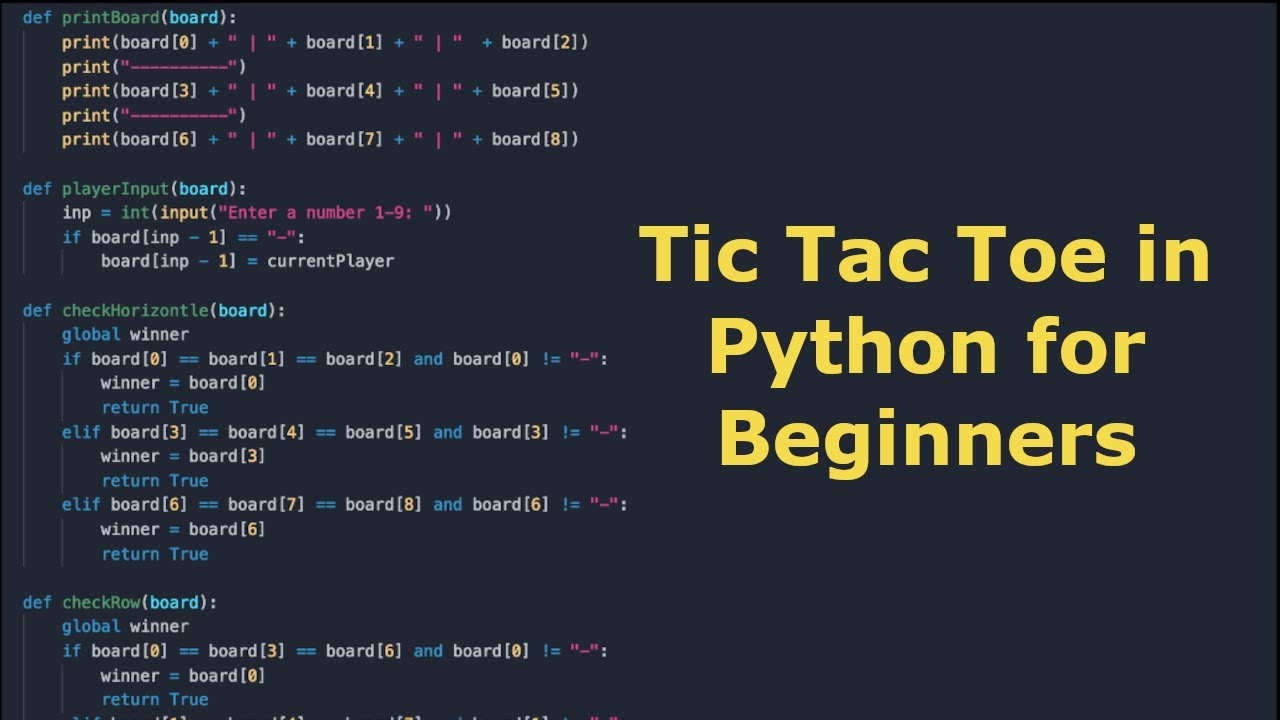
Python TIC TAC TOE Tutorial | Beginner Friendly Tutorial

How To Write A Research Proposal 101: The What, Why & How (With Examples)

Logic Building in Programming - 5 Proven Strategies (2024) 🔥

Jenis-Jenis Penelitian #MetodePenelitian

COMO ESTUDEI PARA SER APROVADA NA PC -SP

STEM Education: Developing 21st century problem solvers
5.0 / 5 (0 votes)
