Ngaji Gus Baha - 3 LEVEL AMAR MAKRUF NAHI MUNGKAR, KITA LEVEL MANA?
Summary
TLDRThis transcript presents a religious and philosophical discourse on Islamic teachings related to 'Amar Ma'ruf Nahi Mungkar' (commanding good and forbidding evil). The speaker delves into the principles behind this concept, offering insights from Imam Ghazali's teachings. The talk touches upon how to address societal wrongdoings, balancing love and correction, and the importance of empathy and understanding in guiding others. Through various examples, the speaker explores the complexity of moral judgment, offering a nuanced perspective on dealing with moral issues in society while preserving compassion and wisdom.
Takeaways
- 😀 The speaker discusses the importance of understanding and applying Islamic teachings, particularly the concept of 'Amar Ma'ruf Nahi Munkar' (enjoining good and forbidding evil).
- 😀 Imam Ghazali's fatwa is referenced, emphasizing the importance of not reacting impulsively to evil deeds, but instead responding with wisdom and patience.
- 😀 The concept of showing sympathy to those who commit wrongdoings, rather than outright condemnation, is highlighted as a means to help them improve.
- 😀 There is a cautionary note about avoiding hasty judgment when confronting moral transgressions, such as someone being intoxicated or poorly dressed.
- 😀 The speaker shares the principle that enjoining good and forbidding evil should be done in a way that does not lead to worse outcomes, like creating violence or further harm.
- 😀 Social context matters in how one responds to others' misdeeds, with the speaker noting that a measured response often prevents escalating the situation.
- 😀 The idea that people may have different interpretations and approaches to enforcing Islamic values, especially when it comes to correcting others' behavior, is acknowledged.
- 😀 An anecdote about a former religious teacher is shared to emphasize the complexity of giving advice and the varying degrees of response based on circumstances.
- 😀 The speaker references the concept of 'Wali Songo' (the Nine Saints of Java) and their approach to dealing with those who commit sins, emphasizing a compassionate, guiding approach.
- 😀 The importance of empathy and understanding cultural differences in the process of advising others is underlined, particularly when it comes to correcting others' actions in a non-judgmental way.
Q & A
What is the core theme of the lecture in the transcript?
-The core theme of the lecture revolves around the Islamic concept of 'Amar Ma'ruf Nahi Munkar' (commanding good and forbidding evil). The speaker discusses the ethical responsibilities of Muslims in Indonesia, emphasizing the importance of guidance from religious scholars and the approach towards addressing societal issues, including sins and immorality.
What does the speaker mention about the role of scholars like Imam Ghazali in guiding the community?
-The speaker highlights Imam Ghazali's fatwa from his book 'Syi'ah', which provides guidance on how to handle sins and immoral actions within the community. Imam Ghazali's perspective is about balancing between showing sympathy for sinners and taking appropriate action to correct their behavior, without causing greater harm or sin.
How does the speaker interpret the principle of forbidding evil (Nahi Munkar)?
-The speaker stresses that forbidding evil should be done with wisdom and caution. If done recklessly or without understanding, it can lead to worse consequences, such as escalating the situation or causing harm to others. The importance of calculating the potential outcomes before taking action is emphasized.
What example does the speaker use to illustrate the complexities of forbidding evil?
-The speaker gives the example of a person who is drunk and behaves in a sinful manner. While it's clear that the person's actions are wrong, the speaker advises against harshly condemning the person if it may lead to worse outcomes, like causing harm to the individual or their family. The approach should be measured and empathetic.
What is the significance of the concept of 'sympathy' in the context of forbidding evil?
-Sympathy is emphasized as an important tool when dealing with sinful individuals. The speaker points out that, rather than showing hatred or disdain, showing sympathy can help in guiding the person back to the right path. This compassionate approach is seen as a means to nurture and rehabilitate individuals, in line with the Islamic principles of mercy and understanding.
What does the speaker say about the approach of the Prophet Muhammad (PBUH) towards people who committed sins?
-The speaker explains that the Prophet Muhammad (PBUH) did not harshly criticize or punish those who committed sins. Instead, the Prophet's approach was to show compassion, hoping to guide the individual back to righteousness without alienating them or causing unnecessary harm. This model of care and understanding is presented as a key example for Muslims to follow.
How does the speaker relate the concept of 'Amar Ma'ruf Nahi Munkar' to societal challenges in Indonesia?
-In the context of Indonesia, the speaker notes that the challenges of 'Amar Ma'ruf Nahi Munkar' are amplified by cultural and societal differences. This includes navigating different religious and cultural backgrounds while still fulfilling the responsibility to guide others toward good, all without causing division or harm. The speaker calls for a nuanced approach to these challenges.
What does the speaker say about the importance of having the right intentions when engaging in 'Nahi Munkar'?
-The speaker stresses that the intention behind forbidding evil must be pure and aimed at guiding the person to better behavior, not out of personal hatred or anger. The act of forbidding evil should be done with the hope of bringing about positive change rather than causing further conflict or harm.
What role does personal development play in carrying out 'Amar Ma'ruf Nahi Munkar'?
-Personal development is highlighted as a key element in fulfilling the duty of 'Amar Ma'ruf Nahi Munkar'. The speaker mentions that, for one to effectively guide others, they must first work on their own self-improvement and spiritual growth. This ensures that their actions are aligned with Islamic values and are carried out with integrity and wisdom.
How does the speaker address the issue of cultural differences in the context of Islamic duties?
-The speaker acknowledges that cultural differences can make it difficult to implement Islamic duties, especially when dealing with individuals who may not share the same religious or cultural views. However, the speaker advocates for a thoughtful and compassionate approach, suggesting that understanding and adapting to these differences is essential in fostering a harmonious society.
Outlines

Этот раздел доступен только подписчикам платных тарифов. Пожалуйста, перейдите на платный тариф для доступа.
Перейти на платный тарифMindmap

Этот раздел доступен только подписчикам платных тарифов. Пожалуйста, перейдите на платный тариф для доступа.
Перейти на платный тарифKeywords

Этот раздел доступен только подписчикам платных тарифов. Пожалуйста, перейдите на платный тариф для доступа.
Перейти на платный тарифHighlights

Этот раздел доступен только подписчикам платных тарифов. Пожалуйста, перейдите на платный тариф для доступа.
Перейти на платный тарифTranscripts

Этот раздел доступен только подписчикам платных тарифов. Пожалуйста, перейдите на платный тариф для доступа.
Перейти на платный тарифПосмотреть больше похожих видео

✨Kewajiban Amar Ma'ruf Nahi Munkar dalam Kehidupan Sehari-hari✨

📢 Kultum Ramadan: Memaksimalkan Hari Efektif dengan Amar Ma’ruf Nahi Munkar 🌙
#SeriKuliah - Bagaimana Hakekat Kepribadian Muhammadiyah ??
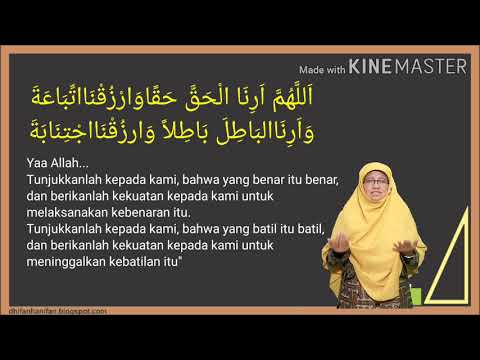
Materi Al-Qur'an Hadis Kelas XII MA {Amar Ma'ruf Nahi Munkar} Oleh: Dra. Lilis Fauziyah RA, M.Ag

Makna “Amar Ma’ruf Nahi Munkar di Era Digital

Juara 1 Khitobah Putri MAPSI Jateng AIRIN ATHAYA WESYAPUTRI Kab. Banyumas
5.0 / 5 (0 votes)

