Arts and Crafts: Design in a Nutshell (2/6)
Summary
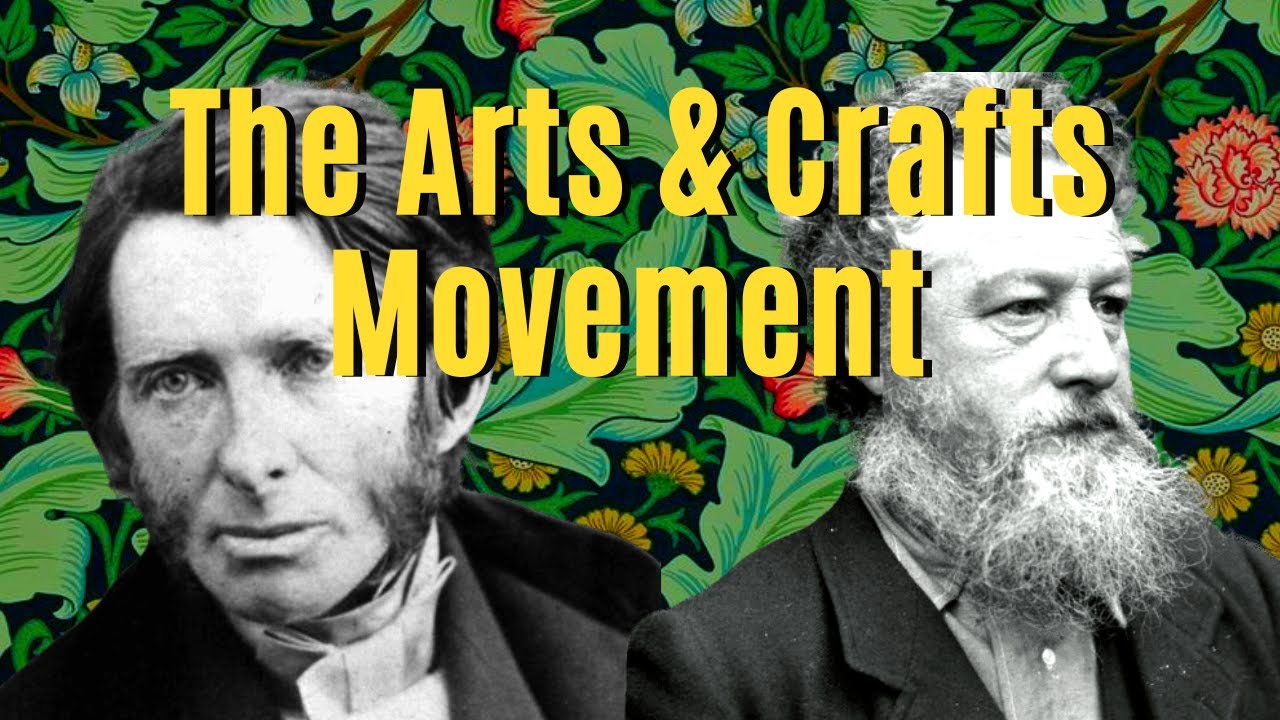
TLDRThe Arts and Crafts movement, emerging around 150 years ago, was a reaction against the dehumanizing effects of industrialization. Led by figures like William Morris, it emphasized the importance of craftsmanship and creativity in an era dominated by mass production. Morris advocated for a balanced relationship with machinery, promoting products that showcased visible artistry and skill. The movement also aimed to support economic and social reform, valuing the work of ordinary craftsmen. Today, its legacy persists, as modern consumers increasingly seek quality and ethical production in their purchases, reflecting a lasting appreciation for handmade artistry in a technology-driven world.
Takeaways
- 🛠️ The Arts and Crafts movement was a significant reaction against the negative effects of industrialization and mass production.
- 📜 It emerged about 150 years ago, during a time when people were becoming disillusioned with mechanization in industry, agriculture, and transportation.
- 🖌️ Craftsmen of the pre-industrial era spent their lives perfecting their skills, in contrast to the mass-produced items of the Industrial Revolution.
- 👨🎨 William Morris, a key figure in the movement, believed that industrial production diminished creativity and craftsmanship.
- 🗣️ Morris stated, 'We do not reject the machine, we welcome it. But we would desire to see it mastered.'
- 🏠 Morris, Marshall Faulkner and Co provided a wide range of products for the 19th-century homeowner, emphasizing quality and craftsmanship.
- 🔨 The movement celebrated visible craftsmanship, with features like hammer marks on metalwork and exposed joints in furniture.
- 🌍 Arts and Crafts had a global influence, advocating for economic and social reform while supporting ordinary workers and craftspeople.
- 📈 The principles of the Arts and Crafts movement continue to resonate today, reflecting modern consumers' desire to know the origins and quality of products.
- 💡 Ultimately, the movement reminds us of the importance of craftsmanship and ethical production in an age dominated by technology.
Q & A
What was the primary reaction that led to the Arts and Crafts movement?
-The Arts and Crafts movement was primarily a reaction against the negative impacts of industrialization and mass production, which many believed diminished creativity and craftsmanship.
Who was William Morris, and what were his views on industrial production?
-William Morris was a poet and artist who believed that industrial production stifled creativity and skill. He advocated for the mastery of machines rather than their rejection.
What type of products did Morris, Marshall Faulkner and Co offer?
-Morris, Marshall Faulkner and Co provided a wide range of products for 19th-century homeowners, including wallpaper, furnishings, stained glass, and carpeting.
How did the Arts and Crafts movement influence modern consumer behavior?
-The Arts and Crafts movement instilled a lasting appreciation for craftsmanship and quality in goods, making consumers more aware of where products come from and how they are made.
What were some of the characteristics of craftsmanship promoted by the Arts and Crafts movement?
-The movement emphasized visible craftsmanship, such as leaving hammer marks on metalwork and exposing joints in furniture, showcasing the skill involved in creating each piece.
In what ways did the Arts and Crafts movement promote social reform?
-The movement promoted economic and social reform by championing the rights and recognition of ordinary workers and underappreciated craftspeople.
What sentiment about technology did the Arts and Crafts movement convey?
-The movement conveyed a balanced sentiment towards technology, welcoming its use but emphasizing the importance of mastering it to retain craftsmanship and creativity.
What lasting impact did the Arts and Crafts movement have on contemporary design?
-The values of the Arts and Crafts movement continue to influence contemporary design, encouraging a focus on quality, sustainability, and the craftsmanship behind products.
What can be inferred about the relationship between the Arts and Crafts movement and consumer culture today?
-The relationship suggests that even in a technology-driven age, consumers still value the story behind the products they buy, including the craftsmanship and ethical considerations of their production.
Why is it said that the Arts and Crafts movement never truly ended?
-It is said that the Arts and Crafts movement never truly ended because its principles and values continue to resonate in modern design and consumer awareness regarding craftsmanship and ethical production.
Outlines

Этот раздел доступен только подписчикам платных тарифов. Пожалуйста, перейдите на платный тариф для доступа.
Перейти на платный тарифMindmap

Этот раздел доступен только подписчикам платных тарифов. Пожалуйста, перейдите на платный тариф для доступа.
Перейти на платный тарифKeywords

Этот раздел доступен только подписчикам платных тарифов. Пожалуйста, перейдите на платный тариф для доступа.
Перейти на платный тарифHighlights

Этот раздел доступен только подписчикам платных тарифов. Пожалуйста, перейдите на платный тариф для доступа.
Перейти на платный тарифTranscripts

Этот раздел доступен только подписчикам платных тарифов. Пожалуйста, перейдите на платный тариф для доступа.
Перейти на платный тарифПосмотреть больше похожих видео
Ruskin & Morris: The Origins of the Arts & Crafts Movement in the 19th Century

Expressionist Theater: Crash Course Theater #38

HISTÓRIA DA ARTE - ARTE MODERNA - ARTS AND CRAFTS

The 3 Differences Between Noh Theatre and Kabuki Play

Simbolismo Portugal [Prof. Noslen]

Ancient Greece 101 | National Geographic
5.0 / 5 (0 votes)

