#5B Konsep dan Implementasi Stack dengan Linked List di C++ | STRUKTUR DATA
Summary
TLDRIn this tutorial, Sabransyah continues exploring stack implementation, this time using linked lists instead of arrays. He explains the limitations of arrays for storing multiple data types and demonstrates how linked lists overcome these constraints. The video covers essential stack operations, including push, pop, display, count, isEmpty, isFull, peek, change, and destroy, with detailed pseudocode and practical C++ examples. Sabransyah also highlights the use of a double linked list to manage descending order display. By the end, viewers learn a complete stack management system and prepare for the next topic: queues, promising an engaging continuation of data structure learning.
Takeaways
- 😀 The video continues the lesson on implementing stacks, moving from array-based stacks to linked-list stacks for handling multiple data types.
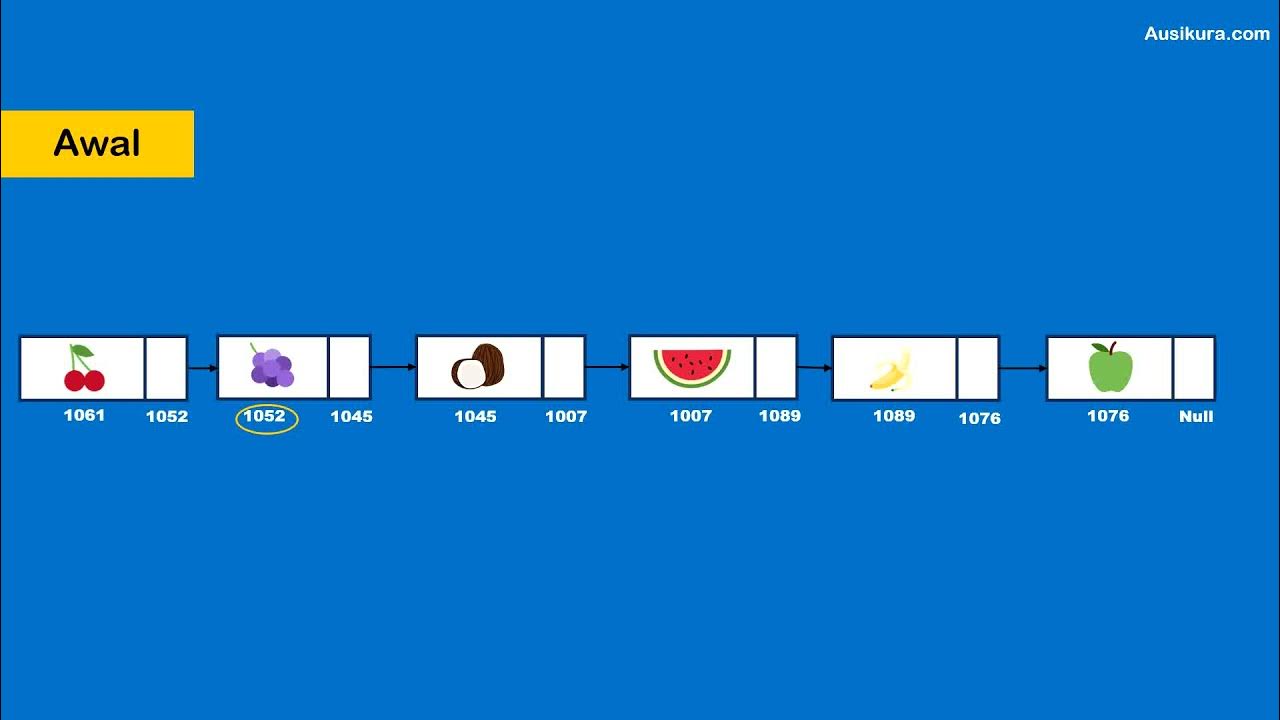
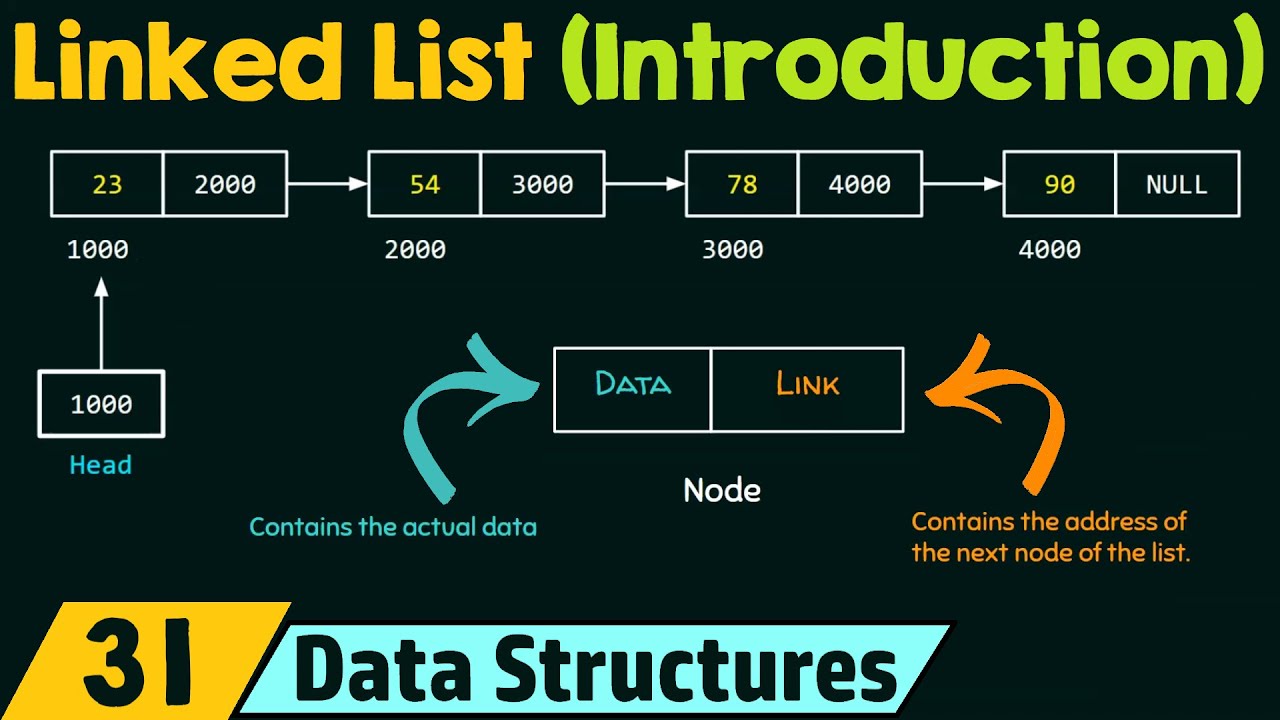
- 😀 Arrays only store a single data type, while linked lists allow storing multiple data types within the same structure.
- 😀 A stack with a linked list uses a 'head' for the first data and 'tail' for the last, supporting a Last-In-First-Out (LIFO) system.
- 😀 Before adding new data to the stack, the program checks if the stack is full using a maximum limit and a count of current items.
- 😀 If the stack is empty, a new linked list node is created; otherwise, new data is added to the top of the stack.
- 😀 Push operations add new items, Pop operations remove the top item, and the code ensures safety by handling empty or full conditions.
- 😀 The video demonstrates how to display stack contents in descending order by traversing from the top ('tail') to the bottom ('head').
- 😀 Additional stack functionalities include 'isEmpty' and 'isFull' checks to validate stack state before operations.
- 😀 The 'peek' function allows viewing an item at a specific position without removing it, while 'change' lets you update a particular item.
- 😀 A 'destroy' or 'clear' function is implemented to safely delete all stack items, ensuring memory is properly freed.
- 😀 The lesson emphasizes understanding linked lists and stack operations to handle complex data efficiently, preparing for queue implementation in the next video.
Q & A
What is the main topic of the video presented in the transcript?
-The video focuses on implementing a stack data structure using a linked list in programming, as a continuation from a previous video that implemented a stack with an array.
Why does the instructor prefer using a linked list over an array for the stack implementation?
-Linked lists allow storing multiple data types and dynamic data sizes, whereas arrays require a fixed size and can only hold a single data type consistently.
What is the purpose of the 'max' variable in the stack implementation?
-The 'max' variable sets the maximum number of items that can be stored in the stack to prevent overflow.
What role does the 'count' variable play in managing the stack?
-The 'count' variable keeps track of the current number of items in the stack, which is used to check whether the stack is full or empty.
How does the push operation work in the linked list stack?
-The push operation first checks if the stack is full. If not, it either creates a new linked list node if the stack is empty or adds the new node to the top of the stack while updating the 'head' and 'tail' pointers.
Why is a doubly linked list used in this stack implementation?
-A doubly linked list allows easier traversal in descending order from the last inserted item, which aligns with the Last-In-First-Out (LIFO) behavior of stacks.
How is the display function implemented for the stack?
-The display function traverses the stack from the top (tail) down to the bottom (head), printing each item’s name and price in descending order, reflecting the order of removal in a stack.
What functions are created to check stack status, and how do they work?
-Two functions, isFull and isEmpty, are implemented. isFull returns true if the count equals the maximum allowed items, while isEmpty returns true if the stack contains no items.
How does the pop operation work in this linked list stack?
-The pop operation removes the topmost item from the stack by updating the tail pointer to the previous node and deleting the current top node, maintaining the LIFO principle.
What is the purpose of the change function in the stack implementation?
-The change function allows updating the name and price of an item at a specific position in the stack, enabling modification of existing data without altering the stack structure.
How is the destroy function implemented, and what is its purpose?
-The destroy function iteratively deletes all nodes in the linked list stack from head to tail, effectively clearing all data and freeing memory.
Why does the instructor emphasize understanding linked lists before implementing this stack?
-Because linked lists form the basis of the stack implementation, understanding their structure and traversal is crucial for correctly managing nodes, pointers, and stack operations like push, pop, and display.
Outlines

このセクションは有料ユーザー限定です。 アクセスするには、アップグレードをお願いします。
今すぐアップグレードMindmap

このセクションは有料ユーザー限定です。 アクセスするには、アップグレードをお願いします。
今すぐアップグレードKeywords

このセクションは有料ユーザー限定です。 アクセスするには、アップグレードをお願いします。
今すぐアップグレードHighlights

このセクションは有料ユーザー限定です。 アクセスするには、アップグレードをお願いします。
今すぐアップグレードTranscripts

このセクションは有料ユーザー限定です。 アクセスするには、アップグレードをお願いします。
今すぐアップグレード

5.0 / 5 (0 votes)

