ETABS - 9.2: Input Beban Gempa Respon Spektra (SNI 1726:2019)
Summary
TLDRIn this video, viewers learn how to input seismic load data and apply response spectrum analysis using RSA dadu99 software, adhering to SNI 1726 standards. The tutorial covers step-by-step procedures such as selecting seismic parameters, modifying values for static and dynamic loads, and calculating scale correction factors. The process includes both manual and automatic calculations, ensuring accurate results for building structures like those in Bandung. The final steps demonstrate how to adjust and verify dynamic and static load factors, ensuring the structure's compliance with seismic safety regulations.
Takeaways
- 😀 The video demonstrates how to input seismic loads and spectrum responses into the Gates software according to SNI 1726 standards.
- 😀 Users are guided to select the correct function and location, such as 'Gempa Bandung', to retrieve seismic data.
- 😀 Static seismic loads are entered first, with the example showing selection of the ST76 building code and X-direction analysis.
- 😀 Values for CT, C, and X are chosen based on SNI requirements, accounting for combined structural systems with shear walls.
- 😀 SDS and SD values are input from local seismic applications provided by Litbang PU.
- 😀 Dynamic response spectrum analysis is conducted by creating a new spectrum input, linked to previously defined seismic functions.
- 😀 Diaphragm eccentricity is set to 0.05 for dynamic calculations, ensuring accurate representation of building response.
- 😀 Best reaction tables are checked to compare static and dynamic V values, guiding adjustments to scaling factors.
- 😀 Scaling factors are increased when dynamic V is less than static V to meet design requirements, calculated manually or automatically using the software.
- 😀 The process concludes with verification that the dynamic spectrum values meet or exceed static values, confirming seismic design compliance.
- 😀 The video emphasizes the importance of proper input, careful selection of seismic parameters, and adherence to national building standards for earthquake-resistant design.
Q & A
What is the main purpose of the video tutorial?
-The main purpose of the video is to demonstrate how to input seismic loads, calculate spectrum responses using Gates software, and apply correction factors and scaling according to SNI 1726 standards.
Which seismic data source is used for input in the tutorial?
-The seismic data is sourced from the RSA Dadu99 RI application, which is released by Litbang PU, and includes data for specific locations such as Bandung.
What is the difference between Static-X and Spectrum Dynamic calculations in the video?
-Static-X refers to calculating the static seismic load in the X direction, while Spectrum Dynamic calculations refer to determining the dynamic response (V dynamic) based on spectrum response analysis.
How are the Cn and Xc values chosen for the seismic load input?
-Cn and Xc values are selected based on the structural system type and the SNI code. For example, for a structure with a combined system of frames and shear walls, Cn = 0.0488 and Xc = 0.75 are used.
What is the purpose of comparing V dynamic to V static?
-Comparing V dynamic to V static ensures that the dynamic response is not underestimated. If V dynamic is smaller than V static, the scaling factor must be increased to maintain safety.
How is the scaling factor for seismic response calculated?
-The scaling factor is calculated by dividing the static seismic force (V statik) by the dynamic seismic force (V dinamik) for each direction and applying it to increase the spectrum response accordingly.
What role does the diaphragm eccentricity play in the dynamic spectrum input?
-Diaphragm eccentricity (0.05 in the example) accounts for possible asymmetry in the structure’s mass distribution, which affects the dynamic response calculation.
Which structural risk category affects the main seismic factor?
-The building’s risk category, such as category 2 for office buildings, determines the main seismic factor applied to the structure according to SNI 1726.
Why is it important to check the Best Reaction table?
-The Best Reaction table shows the resulting forces for both static and dynamic calculations. It ensures that the applied scaling and factors meet design requirements and that the dynamic response is not underestimated.
What are the final steps to complete the seismic load input and scaling process?
-The final steps include applying the calculated scaling factors, verifying that V dynamic is greater than or equal to V static, rounding the factors for safety, and confirming that the seismic forces are finalized and ready for design use.
Can the method described be applied to different locations and seismic conditions?
-Yes, by selecting the appropriate seismic location and corresponding spectrum data from sources like RSA Dadu99 RI, the method can be applied to different locations while following SNI 1726 standards.
Outlines

Cette section est réservée aux utilisateurs payants. Améliorez votre compte pour accéder à cette section.
Améliorer maintenantMindmap

Cette section est réservée aux utilisateurs payants. Améliorez votre compte pour accéder à cette section.
Améliorer maintenantKeywords

Cette section est réservée aux utilisateurs payants. Améliorez votre compte pour accéder à cette section.
Améliorer maintenantHighlights

Cette section est réservée aux utilisateurs payants. Améliorez votre compte pour accéder à cette section.
Améliorer maintenantTranscripts

Cette section est réservée aux utilisateurs payants. Améliorez votre compte pour accéder à cette section.
Améliorer maintenantVoir Plus de Vidéos Connexes

SNI - 1: SNI 1726:2012 vs SNI 1726:2019

VIDEO PRESENTASI ONLINE || Kelompok 28, mengenai : Perbedaan SNI 1726-2012 & 1726-2019

KAJIAN SNI 1726 TENTANG CARA MEMBACA PETA GEMPA. Kelompok B3_ TEKNIK GEMPA 5B

ETABS - 14: Ketidakberaturan Horizontal

TUTORIAL DIPS (LIPATAN)
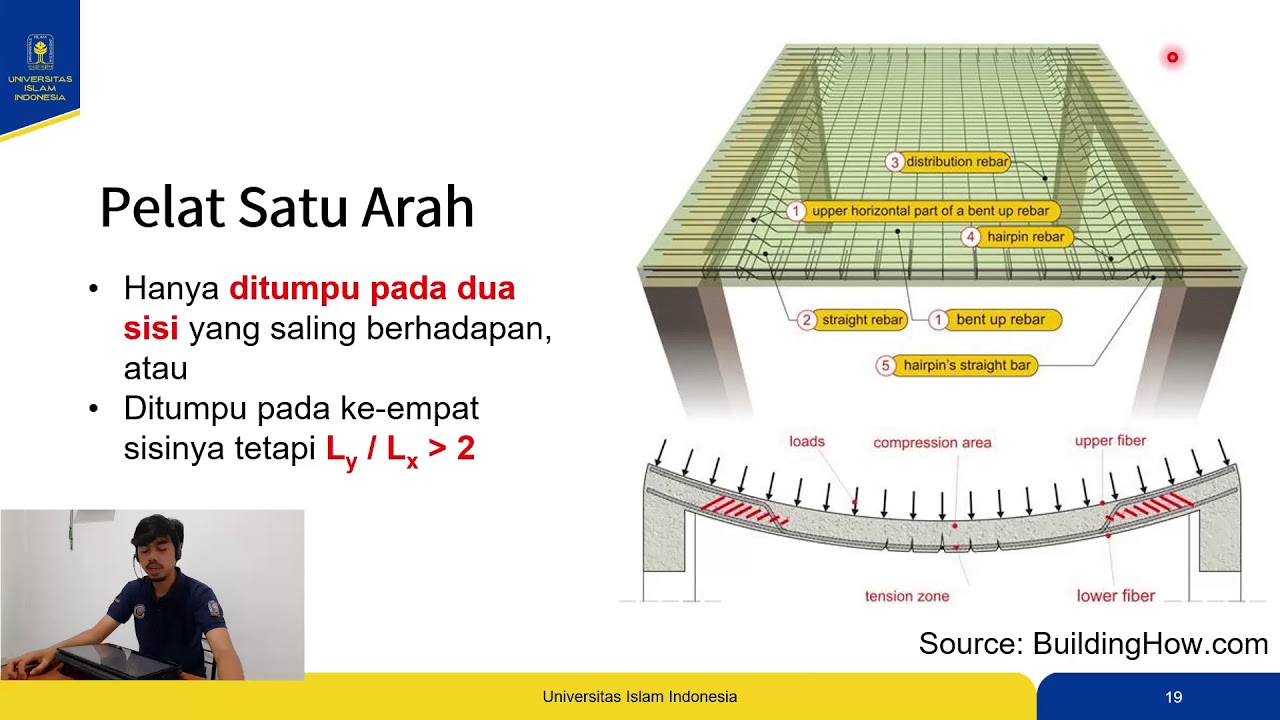
Desain Pelat Satu Arah SNI 2847-2019
5.0 / 5 (0 votes)

