Peran dan kedudukan sebagai warga negara
Summary
TLDRThis video discusses the role and status of citizens in a democratic country, specifically within the framework of Pancasila and Citizenship Education. It covers the definition of a citizen's role, types of roles (active, passive, positive, and negative), and the legal status or position of a citizen in the state. The script explores the principles of democracy, justice, participation, and responsibility, as well as the rights and obligations that citizens hold, such as voting, receiving protection, and obeying laws. It emphasizes the importance of citizen involvement in the country's development.
Takeaways
- 😀 The importance of citizens' roles in a country's development and how active participation leads to progress.
- 😀 A citizen's role involves responsibility and actions to support the continuity and progress of the nation.
- 😀 The legal foundation for citizens' roles in Indonesia is defined in the 1945 Constitution, highlighting key areas such as law, politics, social culture, and economy.
- 😀 There are four types of citizen roles: passive, active, positive, and negative, each with its unique responsibilities and functions.
- 😀 A citizen's passive role involves compliance with existing laws and regulations.
- 😀 Active roles refer to citizen participation in influencing public decisions, such as voting and political involvement.
- 😀 Positive roles are about requesting services from the state to meet individual needs, while negative roles are about resisting unwarranted governmental intervention.
- 😀 Citizens play an important part in a democratic system by participating in elections, monitoring elected officials, and advocating for social justice.
- 😀 Citizen participation extends to social campaigns, environmental activism, and supporting economic fairness and human rights.
- 😀 The legal status of a citizen involves rights and obligations that ensure protection by the state, including health, security, and justice.
- 😀 Key citizen obligations include paying taxes, obeying laws, participating in public welfare activities, and helping to build a more prosperous society.
Q & A
What is the role of citizens in a country?
-The role of citizens is to take actions that contribute to the development and progress of their country. Citizens are responsible for ensuring that the country functions effectively by performing their respective duties.
How does the Constitution of Indonesia define the role of citizens?
-The Constitution of Indonesia (1945) outlines the role of citizens in various articles. For example, Article 28D, Article 28E, and Article 32 explain the roles of citizens in law, politics, social culture, and economy.
What are the four types of citizen roles mentioned in the script?
-The four types of citizen roles are passive, active, positive, and negative. Passive roles involve compliance with laws, active roles involve participation in public decisions, positive roles involve requesting services from the state, and negative roles involve rejecting state interference in personal matters.
What is meant by the passive role of a citizen?
-The passive role of a citizen is their compliance with all the laws and regulations in place, adhering to legal duties without necessarily being involved in active decision-making.
How does an active citizen contribute to the country's governance?
-An active citizen participates in public life, especially by influencing public decisions and being involved in governmental processes, ensuring that the voice of the people is heard.
What is the significance of democracy in the context of a citizen's role?
-Democracy allows citizens to engage in political participation, which is critical in selecting leaders, monitoring their performance, and ensuring that policies align with the needs of the population.
How do citizens contribute to social and economic justice?
-Citizens can contribute by helping the less fortunate, advocating for human rights, and promoting social and economic justice through both action and policy advocacy.
What responsibilities do citizens have regarding laws and taxes?
-Citizens are obligated to follow the laws and regulations of their country. They are also required to pay taxes, which help fund essential public programs such as healthcare, education, and infrastructure.
What does 'citizen status' mean in relation to their rights and obligations?
-Citizen status refers to the legal recognition of an individual as a member of a nation, granting them specific rights, such as protection, participation in elections, and access to services, as well as obligations like obeying laws and paying taxes.
What does the relationship between citizens and the state entail?
-The relationship between citizens and the state is mutual, where citizens hold rights and obligations, and the state is responsible for protecting these rights, ensuring security, and providing necessary services.
Outlines

Cette section est réservée aux utilisateurs payants. Améliorez votre compte pour accéder à cette section.
Améliorer maintenantMindmap

Cette section est réservée aux utilisateurs payants. Améliorez votre compte pour accéder à cette section.
Améliorer maintenantKeywords

Cette section est réservée aux utilisateurs payants. Améliorez votre compte pour accéder à cette section.
Améliorer maintenantHighlights

Cette section est réservée aux utilisateurs payants. Améliorez votre compte pour accéder à cette section.
Améliorer maintenantTranscripts

Cette section est réservée aux utilisateurs payants. Améliorez votre compte pour accéder à cette section.
Améliorer maintenantVoir Plus de Vidéos Connexes

Visi Misi dan Kompetensi Pend Kewarganegaraan

Perbedaan Civics, Ciizenship, Civic Education, dan Citizenship Education
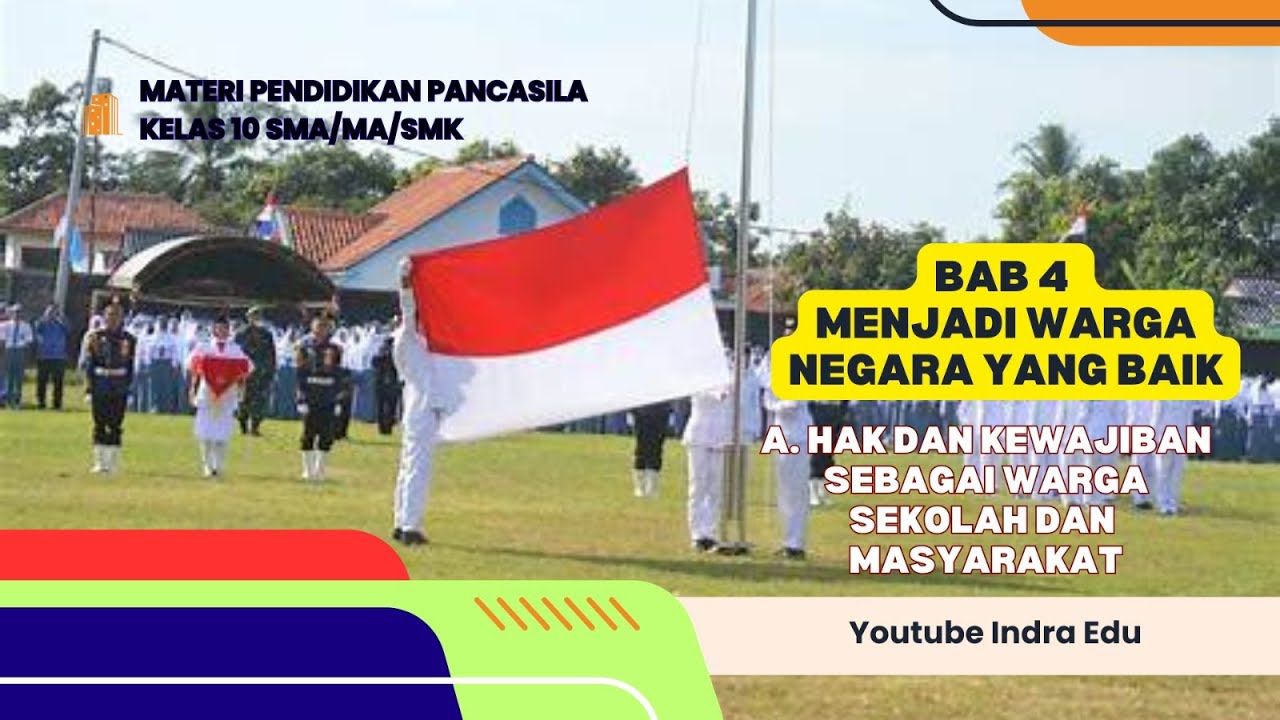
Materi Pendidikan Pancasila Kelas 10 Bab 4 A. Hak dan Kewajiban Sebagai Warga Sekolah dan Masyarakat

Pendidikan Kewarganegaraan di Perguruan Tinggi

PENTINGKAH : Pendidikan Pancasila dan Kewarganegaraan ?

HAKIKAT PENDIDIKAN KEWARGANEGARAAN | PENTINGNYA PENDIDIKAN KEWARGANEGARAAN DI PERGURUAN TINGGI
5.0 / 5 (0 votes)

