Anggaran MBG Capai Triliunan, Siapa yang Benar-Benar Diuntungkan? | LAPORAN KHUSUS
Summary
TLDRThis transcript discusses Indonesia's ambitious 'Makanan Bergizi Gratis' (MBG) program, which allocates substantial government funds for free nutritious meals. The conversation highlights key challenges, including the program’s budget allocation, distribution, and local involvement. The government is working to refine the program’s logistics and local collaboration to ensure better reach and nutrition. Concerns about potential misuse of funds, efficiency, and inclusion errors are addressed, with the hope that local entrepreneurs and cooperatives will play a central role in executing the program effectively. Despite these challenges, there’s optimism about the long-term impact of the initiative on public health and local economies.
Takeaways
- 🍽️ The government allocated IDR 70 trillion for the current year and plans IDR 335 trillion next year for the free nutritious meal program (MBG) targeting 82.9 million beneficiaries.
- 🛑 Last year's IDR 70 trillion budget was largely unutilized, prompting concerns about absorption and proper fund distribution.
- 👨⚕️ Oversight of the program involves multiple levels, including the Ministry of Health, local governments, and the National Nutrition Agency (BGN) to ensure accountability.
- 🏫 Community-level implementation is preferred over large centralized kitchens, involving schools, parents, and local communities to enhance nutrition delivery and local economic benefits.
- 💸 MBG funds should stimulate local economies by engaging local entrepreneurs, farmers, and cooperatives rather than large-scale external suppliers.
- 📊 Concerns exist about inclusion errors, as many benefits are consumed by middle- and upper-class households rather than the intended low-income beneficiaries.
- 🧠 Nutritional programs are crucial for improving children's cognitive development and future productivity, highlighting the long-term importance of proper nutrition.
- 📉 MBG funding is partially reallocated from the education budget, which may reduce educational resources if not carefully managed.
- 📦 Supply chain and distribution strategies must address Indonesia’s complex geography to ensure meals reach all targeted beneficiaries without inflationary impacts.
- 🔍 Continuous monitoring, data analysis, and adherence to hygiene and nutritional standards are essential before scaling the program to prevent issues like foodborne illness and fiscal inefficiency.
Q & A
What is the budget allocated for the 'makan bergizi gratis' (free nutritious meals) program this year, and how much is expected for the next year?
-This year, the allocated budget for the free nutritious meals program is IDR 70 trillion. For the next year, the budget is significantly increased to IDR 335 trillion, with a target of reaching 82.9 million beneficiaries.
Why was IDR 70 trillion of the allocated budget not utilized this year?
-The budget was not fully utilized due to issues with the initial plan. The funds were intended for the development of large kitchen infrastructures, but the involvement of local businesses and UMKM (small and medium enterprises) was not properly incorporated. As a result, much of the allocated budget was returned.
How does the government plan to ensure that the 335 trillion IDR budget is fully absorbed next year?
-The government plans to improve governance and management mechanisms, involving local governments, the Ministry of Health, and the Ministry of Home Affairs for better monitoring and accountability. This also includes improving logistics and the involvement of local actors in the program.
What is the main challenge with the free nutritious meals program in terms of governance and implementation?
-One challenge is the complex coordination needed to implement the program across such a vast and diverse country. Additionally, there are concerns about ensuring that the meals are nutritious and properly distributed to the targeted groups, especially in remote areas.
What criticism did some people have about the free nutritious meals program?
-Some critics argue that the program does not always ensure the meals are nutritious and that the program's benefits are not always reaching the most vulnerable populations. Furthermore, there are concerns about the potential misuse of funds or elite capture at the local level.
How does the government plan to involve local businesses and communities in the implementation of this program?
-The government is encouraging local businesses, including small and medium enterprises (UMKM), to take part in the program. They aim to empower local communities by involving them in food production and distribution to ensure the program benefits the local economy.
What are some of the potential economic consequences of implementing the free nutritious meals program?
-The program has significant economic implications, including the large fiscal burden on the government, especially as funding is redirected from other sectors such as education. Additionally, the program’s success depends on the effectiveness of local actors and how well they manage the distribution and supply of food.
How does the free nutritious meals program impact Indonesia's local economies?
-The program is designed to stimulate local economies by involving local businesses in food production and distribution. By funding local entrepreneurs, it is expected to promote regional economic growth, creating jobs and increasing economic activity in the area.
What role do cooperatives play in the government's strategy for implementing the free nutritious meals program?
-Cooperatives are seen as a key player in the distribution chain. They are intended to facilitate the supply of local agricultural products, including vegetables and fish, to the meal program. Cooperatives will act as intermediaries, ensuring the supply chain runs smoothly and benefits local farmers.
What are the potential risks of involving local cooperatives in the program?
-One potential risk is that local cooperatives may not be equipped to handle the scale of the program. There is also the possibility of 'elite capture,' where local elites could monopolize the program, preventing its benefits from reaching the intended low-income communities.
Outlines

Cette section est réservée aux utilisateurs payants. Améliorez votre compte pour accéder à cette section.
Améliorer maintenantMindmap

Cette section est réservée aux utilisateurs payants. Améliorez votre compte pour accéder à cette section.
Améliorer maintenantKeywords

Cette section est réservée aux utilisateurs payants. Améliorez votre compte pour accéder à cette section.
Améliorer maintenantHighlights

Cette section est réservée aux utilisateurs payants. Améliorez votre compte pour accéder à cette section.
Améliorer maintenantTranscripts

Cette section est réservée aux utilisateurs payants. Améliorez votre compte pour accéder à cette section.
Améliorer maintenantVoir Plus de Vidéos Connexes
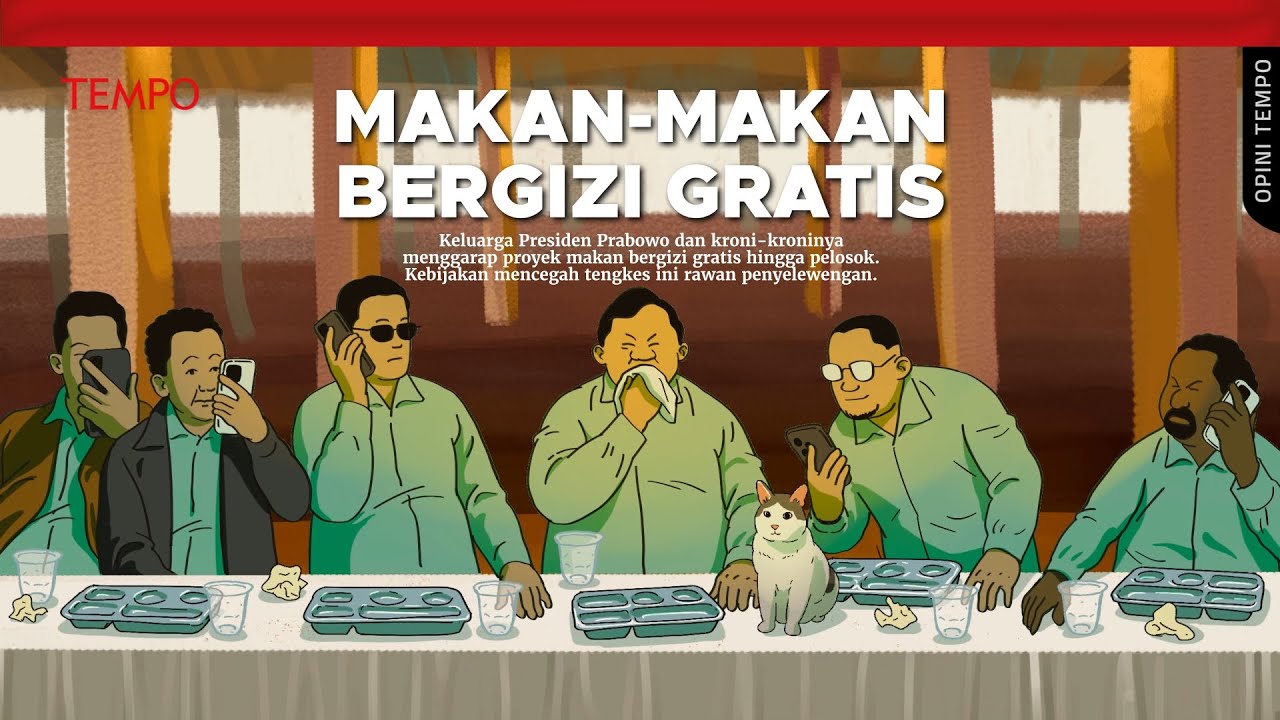
Makan Bergizi Gratis buat Handai Tolan | Opini Tempo

Program Makan Bergizi Gratis Siap Dilaksanakan Mulai Tahun 2025
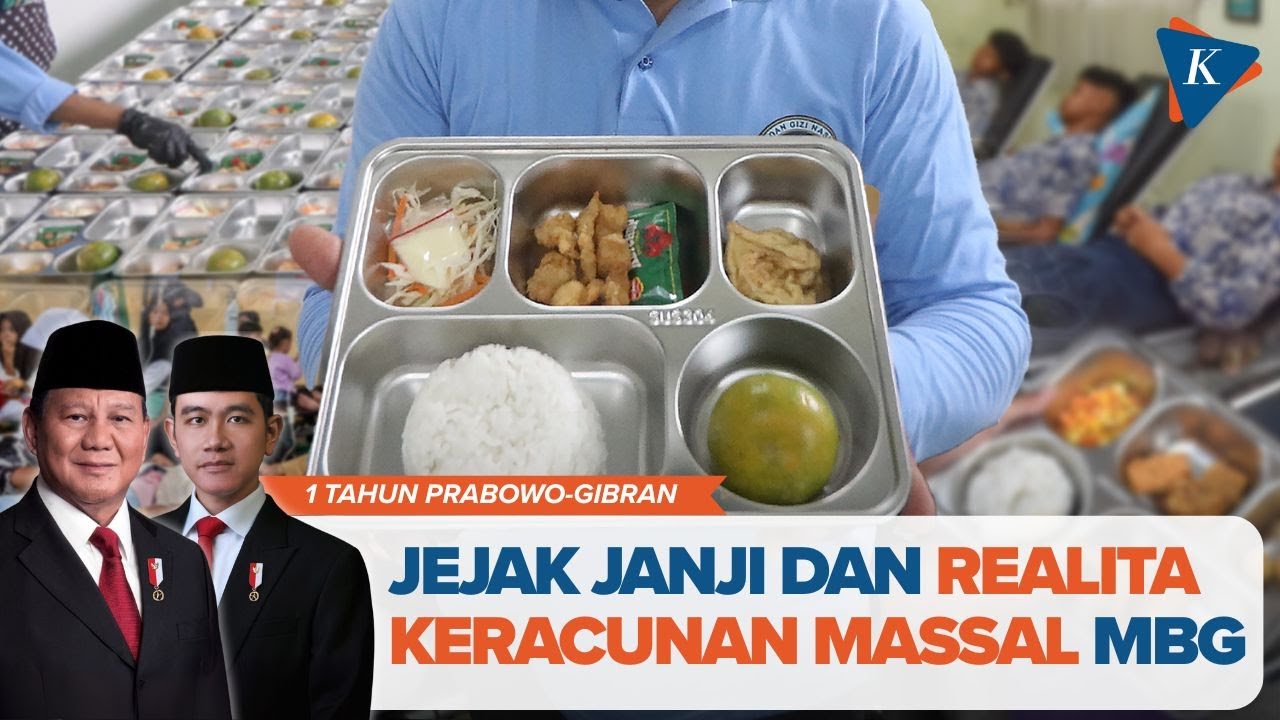
Makan Bergizi Gratis: Program Andalan Prabowo dengan Segala Catatannya

BGN Target "Zero Accident", Anak-Anak Sekolah Kena Racun di MBG - [Meet Nite Live]

Terkait Efisiensi Hingga Rp 750 T, Anggaran Mana Saja yang Dipangkas & untuk Apa? | Beritasatu

Top Review - Program Makan Siang Gratis Nasibmu Kini - [ Top News ]
5.0 / 5 (0 votes)

