Ensaio laboratorial de separação magnética de minério de ferro.
Summary
TLDRThis video explains the process of magnetic separation, where mineral particles are influenced by a magnetic field. It differentiates between magnetic and non-magnetic particles, with a focus on ferromagnetic materials. The process is classified into dry magnetic separation with varying intensities. A permanent separator is demonstrated, where magnetic particles are attracted to a drum and separated. The video covers the setup and operation of the separator, including rotor speed adjustments and feeder vibrations. Finally, the resulting samples are weighed, and part of them undergoes further testing to estimate content.
Takeaways
- 😀 Magnetic separation is a method that uses a magnetic field to separate mineral particles based on their magnetic properties.
- 😀 Particles can be classified as magnetic (attracted to the field) or magnesium (not attracted to the field).
- 😀 Ferromagnetic minerals exhibit a strong magnetic character and are significantly affected by the magnetic field.
- 😀 Magnetic separation processes are categorized based on the type of field (low or high intensity) and the method used (dry or wet).
- 😀 The test described uses a dry magnetic separator with medium intensity for its separation process.
- 😀 The separator features a permanent conveyor head drum inside a sector with permanent magnets mounted in opposite polarities.
- 😀 Magnetic particles are attracted to the fixed magnets, sticking to the belt until they reach the end of the drum.
- 😀 The magnetic particles are released after running through the drum, making a curve and falling into two stages for separation.
- 😀 Various process variables, such as feeder vibration, rotor speed, and the position of cutting blades, can influence the separation efficiency.
- 😀 The test begins with 500 grams of a sample, which is processed by adjusting the rotor speed and vibrating feeder to create a good particle layer.
- 😀 After the separation, the final samples are weighed, and part of them undergoes further analysis to estimate their content.
Q & A
What is the basic principle of magnetic separation?
-Magnetic separation is a method that exploits the behavior of mineral particles when subjected to a magnetic field. If a particle is attracted to the field, it is considered magnetic; if not, it is non-magnetic.
How are minerals categorized in magnetic separation?
-Minerals are categorized based on their magnetic properties. Those with a strong magnetic character are referred to as ferromagnetic.
What are the different types of magnetic separation operations?
-Magnetic separation operations are classified by the intensity of the magnetic field used and the method applied. These include dry magnetic separation with low and high intensity, and wet magnetic separation with low and high intensity.
How does a permanent separator function in magnetic separation?
-A permanent separator works by having a conveyor head drum that runs inside a sector containing permanent magnets. These magnets attract magnetic materials, causing them to adhere to the conveyor belt until they reach the end of the drum.
What happens to magnetic particles once they pass through the magnetic field in the separator?
-As the magnetic particles pass through the magnetic field, they are attracted to the magnets, stay attached to the conveyor belt, and eventually fall off at a designated point after making a curve.
What role do fixed magnets play in magnetic separation?
-Fixed magnets create a magnetic field that attracts magnetic materials. These materials then stay on the conveyor belt until the magnetic field's influence diminishes, causing the particles to fall off.
What factors influence the magnetic separation process?
-Key factors influencing the process include feeder vibration, rotor speed, and the position of the cutting blades. These variables help control the separation and minimize material loss.
How is the rotor speed adjusted in the magnetic separation process?
-The rotor speed is adjusted to specific settings, such as 80.8 rpm in the example, to ensure proper particle flow and separation efficiency.
What is the role of the vibrating feeder in magnetic separation?
-The vibrating feeder helps to layer the particles evenly before they enter the magnetic separation system, ensuring proper interaction with the magnetic field.
How are the final samples processed after magnetic separation?
-The final samples are weighed, and part of them undergoes additional analysis, such as particle size testing, to estimate their content.
Outlines

Cette section est réservée aux utilisateurs payants. Améliorez votre compte pour accéder à cette section.
Améliorer maintenantMindmap

Cette section est réservée aux utilisateurs payants. Améliorez votre compte pour accéder à cette section.
Améliorer maintenantKeywords

Cette section est réservée aux utilisateurs payants. Améliorez votre compte pour accéder à cette section.
Améliorer maintenantHighlights

Cette section est réservée aux utilisateurs payants. Améliorez votre compte pour accéder à cette section.
Améliorer maintenantTranscripts

Cette section est réservée aux utilisateurs payants. Améliorez votre compte pour accéder à cette section.
Améliorer maintenantVoir Plus de Vidéos Connexes
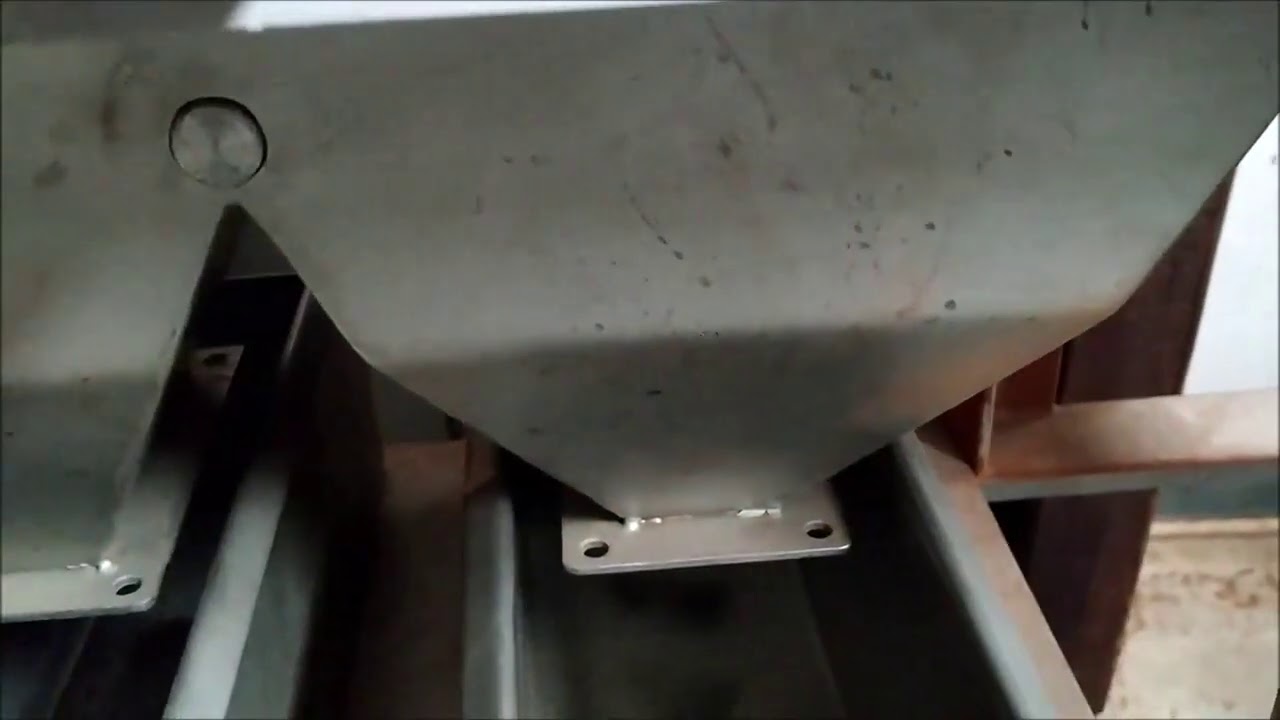
Separação magnética - imã de terras raras
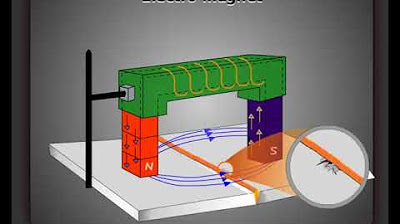
magnetic particle testing
Spin, Precession, Resonance and Flip Angle | MRI Physics Course | Radiology Physics Course #3

A weak spot on Earth's magnetic field hovers over Brazil
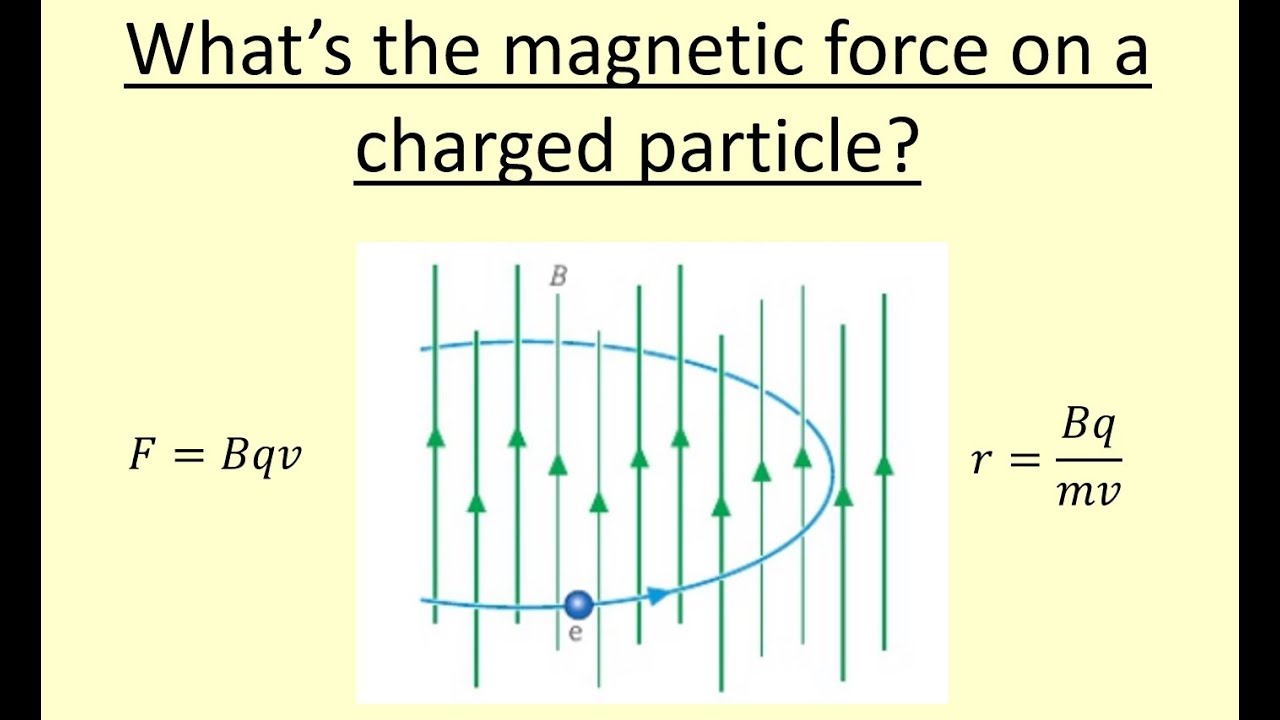
12.06 What affects the curvature of charged particles in a magnetic field?
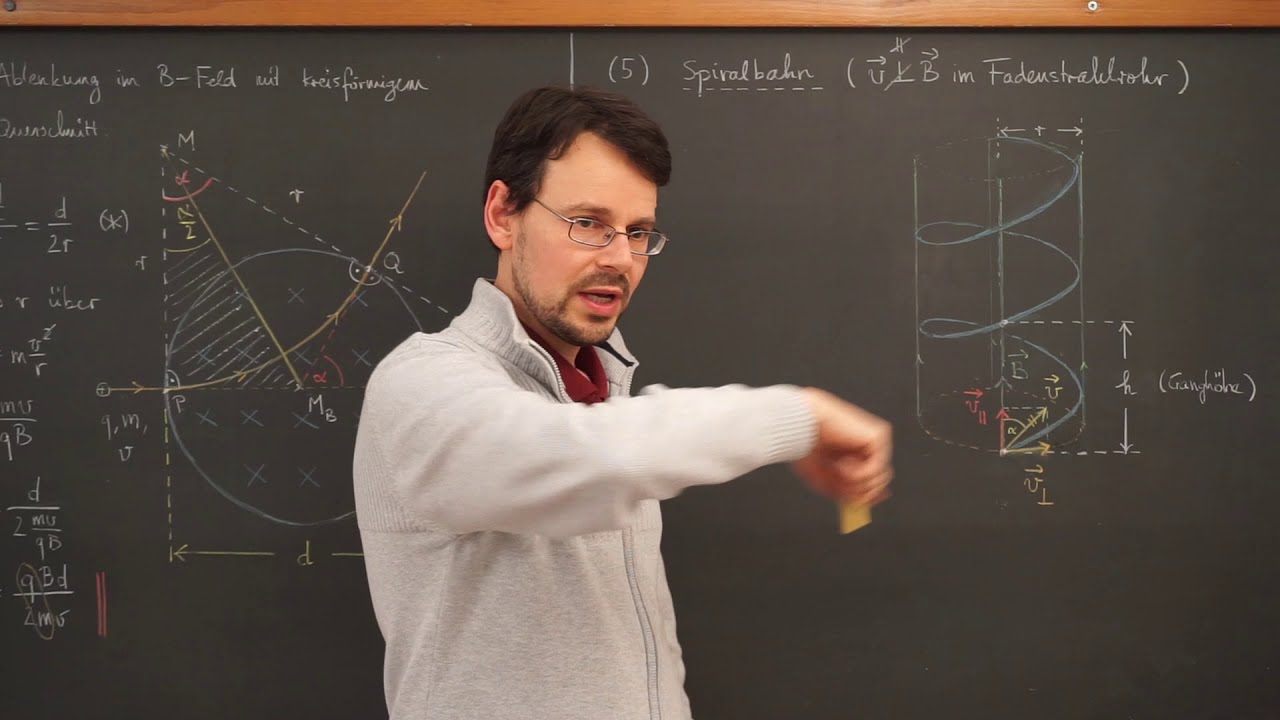
Physik LF / Video B13: Spiralbahn
5.0 / 5 (0 votes)

