Anatomi Organ Genitalia Masculina part 1 (externa)
Summary
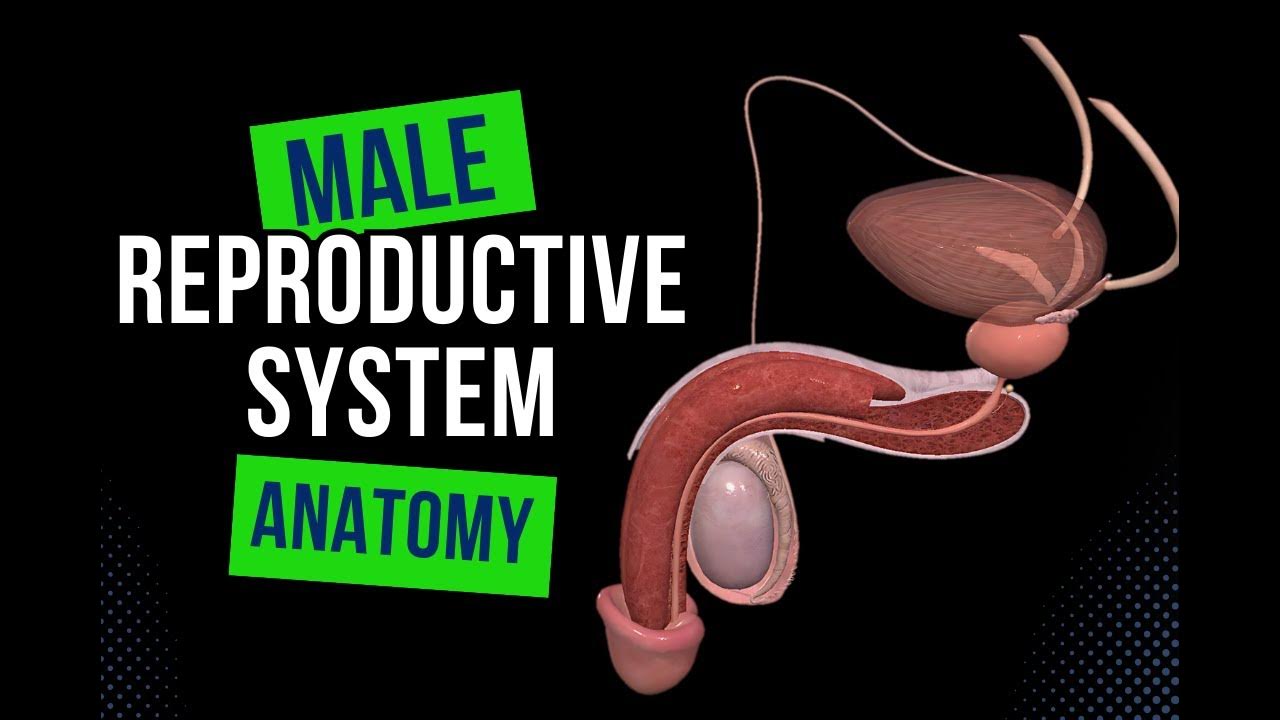
TLDRThe lecture explains the anatomy of the male genital organs by dividing them into external and internal structures. External organs include the penis and scrotum, while internal organs consist of the testes, epididymis, vas deferens, seminal vesicles, prostate gland, bulbourethral glands, and urethra. The scrotum functions as a protective sac for the testes and contains structures such as the septum, raphe, and muscles like the cremaster and dartos that regulate testicular position and temperature. The lecture also outlines the blood supply to the scrotum from several arteries. Additionally, the penis is described structurally, including the corpora cavernosa, corpus spongiosum, glans penis, corona, and prepuce, with mention of circumcision and the importance of avoiding injury to the frenulum.
Takeaways
- 😀 The male genitalia is divided into external and internal organs.
- 😀 External genitalia includes the penis and scrotum, which houses the testicles.
- 😀 The scrotum is a pouch-like structure that holds the testicles, with a dividing septum in the middle.
- 😀 The penis has two parts: the fixed part (root) and the movable part (shaft).
- 😀 The internal genitalia begins with the testicles, which produce sperm, followed by the epididymis and vas deferens.
- 😀 The prostate gland and seminal vesicles play key roles in semen production.
- 😀 The urethra and the bulbo-urethral glands are important parts of the male internal reproductive system.
- 😀 The scrotum is supplied by three main arterial branches: internal pudendal, external pudendal, and epigastric inferior arteries.
- 😀 Venous blood from the scrotum returns through the pudendal veins and ultimately to the inferior vena cava.
- 😀 The penis is comprised of two corpora cavernosa and one corpus spongiosum, which contains the urethra.
- 😀 The glans penis is the head of the penis, featuring the corona (a raised area) and the frenulum, which is sensitive and located beneath the prepuce.
Q & A
What are the two main categories of male genitalia mentioned in the video?
-Male genitalia are divided into external and internal structures. External genitalia include the penis and scrotum, while internal genitalia include organs such as the testis, epididymis, vas deferens, seminal vesicles, prostate gland, and bulbo-urethral glands.
What is the function of the testis?
-The testis is an internal male genital organ responsible for producing sperm and testosterone.
What are the two main structures of the external genitalia?
-The two main structures of external genitalia are the penis and the scrotum.
What is the role of the scrotum, and how is it anatomically structured?
-The scrotum is a pouch that encloses the testis on each side. It has a dividing septum in the middle that separates the right and left testis. It contains muscles like the dartos muscle for contracting and relaxing, and the cremaster muscle for raising or lowering the testes.
Which arteries supply blood to the scrotum?
-The scrotum receives blood from three main sources: the internal pudendal artery (branch of internal iliac), the external pudendal artery (branch of femoral artery), and the inferior epigastric artery (branch of external iliac).
What are the parts of the penis, and which part is fixed versus mobile?
-The penis has a fixed part attached to the pelvis called the root and a mobile free part called the shaft that can move freely in various directions. The shaft contains corpora cavernosa and corpus spongiosum.
What are the corpora cavernosa and corpus spongiosum?
-Corpora cavernosa are two cylindrical structures on the dorsal side of the penis involved in erections, while the corpus spongiosum surrounds the urethra on the ventral side and continues to form the glans penis.
What is the glans penis and what are its distinct anatomical features?
-The glans penis is the expanded tip of the penis and includes the corona (the raised edge or 'crown'), the columella (a central structure of the glans), and the prepuce (foreskin) that covers it in uncircumcised males. The frenulum is a sensitive band under the glans that should be avoided during circumcision.
What are the names of the glands involved in the male reproductive system mentioned in the transcript?
-The glands include the seminal vesicles (vesicula seminalis), the prostate gland (glandula prostatica), and the bulbo-urethral glands (glandula bulbo-urethralis). They contribute fluids to semen and support sperm function.
What is the vascularization pattern of the penis?
-The penis is supplied by branches of the internal pudendal artery and veins that generally mirror the arteries. Venous blood from the penis eventually drains into the inferior vena cava via the great saphenous vein.
What is the function of the epididymis?
-The epididymis, located above the testis, is responsible for the storage, maturation, and transport of sperm from the testis to the vas deferens.
What anatomical structures help regulate the position and temperature of the testes?
-The cremaster muscle raises or lowers the testes toward or away from the abdomen, while the dartos muscle contracts or relaxes the scrotal skin to help regulate temperature for optimal sperm production.
Outlines

Esta sección está disponible solo para usuarios con suscripción. Por favor, mejora tu plan para acceder a esta parte.
Mejorar ahoraMindmap

Esta sección está disponible solo para usuarios con suscripción. Por favor, mejora tu plan para acceder a esta parte.
Mejorar ahoraKeywords

Esta sección está disponible solo para usuarios con suscripción. Por favor, mejora tu plan para acceder a esta parte.
Mejorar ahoraHighlights

Esta sección está disponible solo para usuarios con suscripción. Por favor, mejora tu plan para acceder a esta parte.
Mejorar ahoraTranscripts

Esta sección está disponible solo para usuarios con suscripción. Por favor, mejora tu plan para acceder a esta parte.
Mejorar ahora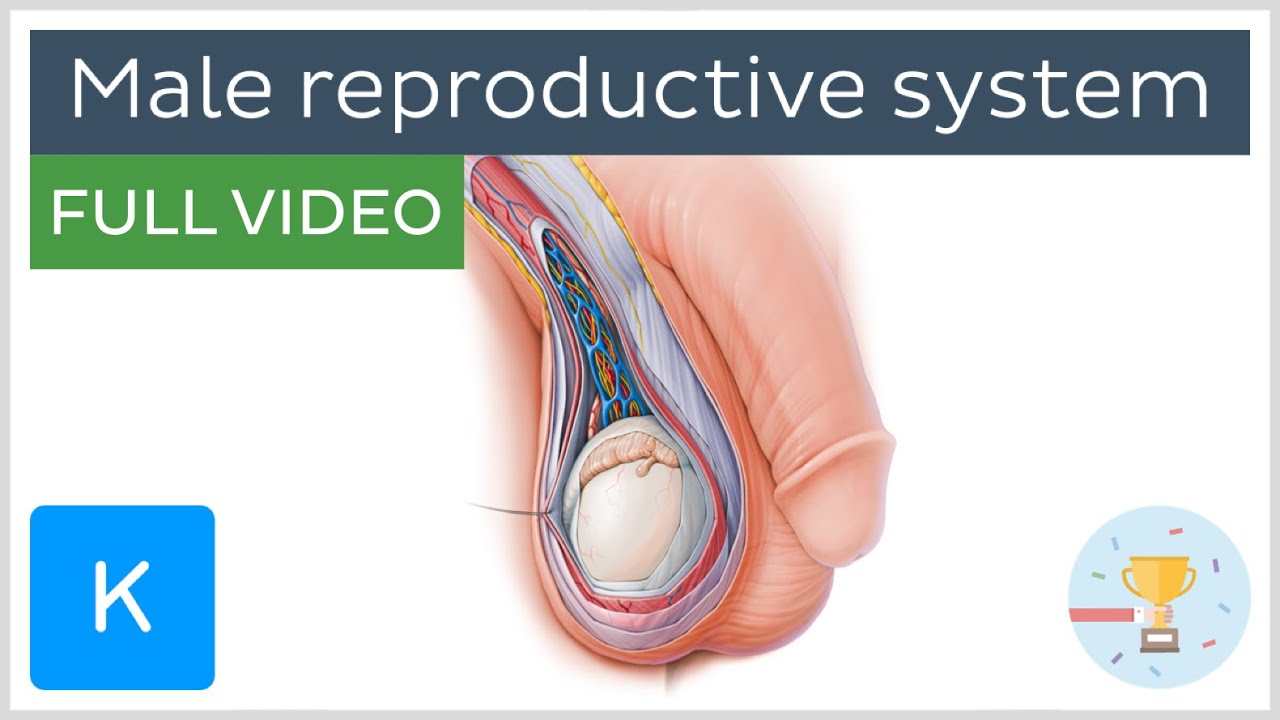


5.0 / 5 (0 votes)

