Literasi ICT dan Media Pembelajaran
Summary
TLDRIn this video, Cepi Riyana discusses the importance of Information and Communication Technology (ICT) literacy and educational media in the 21st century. With the rise of the Industry 4.0 era, ICT has become essential for advancing education and society. He highlights ICT as both a tool for learning and a necessary competency for students, emphasizing its role in enhancing educational processes and communication. The video also covers various ICT-based media tools, such as e-learning, online platforms, and multimedia, stressing their importance for effective, innovative teaching. Teachers must equip themselves with ICT skills to foster student engagement and success.
Takeaways
- 😀 The importance of literacy in Information and Communication Technology (ICT) and learning media is crucial for educators in both primary and higher education today.
- 😀 We are in the era of Industry 4.0, which requires education to adapt to technological advancements to improve future prospects.
- 😀 The term 'literacy' has expanded beyond reading and writing to include skills like digital literacy, financial literacy, and media literacy.
- 😀 ICT is an essential tool for personal, organizational, and national advancement, influencing communication, information processing, and interaction.
- 😀 Major companies like Amazon and Alibaba exemplify how ICT has influenced industries, particularly e-commerce, and has shaped global wealth distribution.
- 😀 ICT in education serves two roles: as a tool to enhance learning and as a competency that students must master.
- 😀 ICT can assist in resource sharing, making learning materials more accessible, engaging, and interactive across distances and time zones.
- 😀 Students today need ICT literacy not just to 'access' but to produce and create innovative works using technology, as this is essential for future success.
- 😀 Educators must equip students with ICT competencies aligned with the 21st-century skills such as critical thinking, communication, and problem-solving.
- 😀 Media-based learning, whether internet-based or stand-alone media, plays a vital role in enhancing the effectiveness and engagement of the learning process.
Q & A
What is the importance of literacy in the context of the 4.0 industrial revolution?
-Literacy, particularly in information and communication technology (ICT) and media, is crucial in the 4.0 industrial revolution because it equips students and educators with the necessary skills to navigate and contribute to a technology-driven world. It enables effective communication, problem-solving, and interaction with digital tools, all of which are vital for personal and societal progress.
What is the expanded definition of 'literacy' in the modern context?
-In the modern context, literacy refers to a deep and comprehensive set of competencies, beyond just basic reading and writing skills. It now includes digital literacy, financial literacy, media literacy, and the ability to understand and process information from various sources. It focuses on mastering knowledge in various areas to effectively function in today's society.
What does ICT stand for, and why is it essential in today's world?
-ICT stands for Information and Communication Technology. It plays a critical role in today’s world as it impacts all aspects of life, including how we process information and communicate. ICT enables tools like online learning, e-commerce, and instant communication, making it a cornerstone of personal, business, and national development.
What are the two key roles of ICT in education mentioned in the script?
-The two key roles of ICT in education are: 1) as a tool to enhance learning, making it easier for both teachers and students to share resources, improve understanding, and engage with difficult topics. 2) as a competency that students must master, including critical thinking, problem-solving, and communication skills, which are essential for success in the 21st century.
How does ICT enhance the learning process in education?
-ICT enhances the learning process by providing interactive multimedia tools, online courses, and resources that make learning more engaging, accessible, and flexible. It also allows for resource sharing, where students and teachers can easily connect and collaborate without the limitations of time and distance.
What does 'literacy in ICT' imply for students?
-Literacy in ICT implies that students are not just familiar with digital tools, but are capable of using them effectively to create, analyze, and solve problems. They should be able to produce innovative works using ICT and navigate the increasingly complex technological landscape of the modern world.
What are some examples of ICT-based media used in education?
-Examples of ICT-based media in education include e-learning platforms, online courses, video streaming, educational blogs, and websites. These platforms make learning accessible from anywhere and foster interactive and personalized learning experiences.
What is the role of teachers in integrating ICT into education?
-Teachers are responsible for successfully integrating ICT into the learning process. They must master digital tools and use them creatively to enhance the educational experience. This includes preparing students for the digital future by teaching them how to use these tools effectively and responsibly.
What is the difference between internet-based media and stand-alone media in education?
-Internet-based media refers to digital resources that require an internet connection, such as online courses, blogs, and video streaming. Stand-alone media, on the other hand, functions independently of the internet, like educational television programs, offline educational software, and multimedia presentations.
What skills are necessary for students in the 21st century according to the script?
-In the 21st century, students need skills such as communication, critical thinking, information literacy, media literacy, and ICT skills. These competencies enable students to adapt to rapidly changing technological environments and contribute meaningfully to society.
Outlines

هذا القسم متوفر فقط للمشتركين. يرجى الترقية للوصول إلى هذه الميزة.
قم بالترقية الآنMindmap

هذا القسم متوفر فقط للمشتركين. يرجى الترقية للوصول إلى هذه الميزة.
قم بالترقية الآنKeywords

هذا القسم متوفر فقط للمشتركين. يرجى الترقية للوصول إلى هذه الميزة.
قم بالترقية الآنHighlights

هذا القسم متوفر فقط للمشتركين. يرجى الترقية للوصول إلى هذه الميزة.
قم بالترقية الآنTranscripts

هذا القسم متوفر فقط للمشتركين. يرجى الترقية للوصول إلى هذه الميزة.
قم بالترقية الآنتصفح المزيد من مقاطع الفيديو ذات الصلة
21st Century Literacy Skills | Dr. Jerome Buenviaje

Lesson 1 - Introduction to Media and Information Literacy
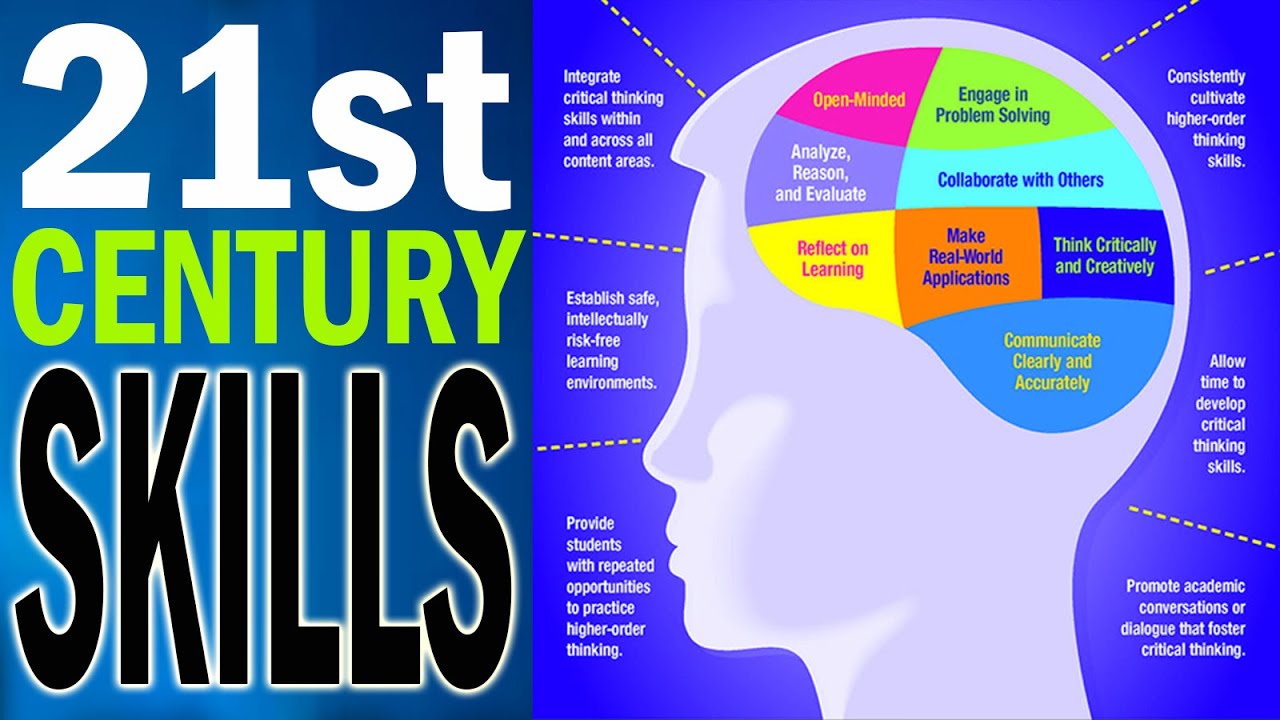
Building and Enhancing New Literacies Across the Curriculum || THE 21st CENTURY SKILLS | DAY SON

ICT in the Learning Environment | Dr. Brenda B. Corpuz
21st Century learning & Life Skills: Framework
Trends, Network and Critical Thinking | Information Communication Technology (ICT)
5.0 / 5 (0 votes)

