Civil and Political Rights
Summary
TLDRThis lesson explores the first dimension of human rights: civil and political rights. These 'negative rights' require the state to refrain from interference, allowing individuals to exercise freedoms tied to identity and citizenship. Civil rights protect personal freedoms like expression, religion, and movement, while political rights ensure participation in governance, justice, and assembly. The video highlights the historical evolution from the Magna Carta to the International Covenant on Civil and Political Rights. Rosa Parks' courageous stand against bus segregation illustrates the struggle for equality and the tension between unjust laws and fundamental human rights, emphasizing the enduring importance of civil and political rights.
Takeaways
- 😀 Civil and political rights are the first dimension of human rights and primarily concern individual liberty.
- 😀 These rights are considered negative rights, meaning the state or organizations must refrain from interfering with them.
- 😀 Civil rights focus on life, safety, personal expression, religion, and freedom of movement.
- 😀 Political rights involve participation in political and legal processes, such as petitioning, accessing justice, and freedom of assembly.
- 😀 The historical roots of these rights trace back to the Magna Carta and evolved through the French Declaration of Rights of Man, UDHR, and ICCPR.
- 😀 Civil and political rights are closely linked to identity and aim to prevent discrimination based on race, gender, or other characteristics.
- 😀 Citizenship is crucial for the full exercise of these rights, as non-citizens may lack clear protections.
- 😀 Rosa Parks exemplifies the struggle for civil rights by challenging segregation laws in the United States in 1955.
- 😀 Segregation enforces social separation based on identity, and civil rights movements work to eliminate these barriers and ensure equality.
- 😀 Civil and political rights are fundamentally about participation in society and recognition by institutions without discrimination.
Q & A
What are civil and political rights, and how do they relate to human liberty?
-Civil and political rights are fundamental human rights that concern individual liberty. They encompass the rights that ensure individuals can express themselves, participate in political activities, and have personal freedoms without interference from the state.
What is the difference between civil rights and political rights?
-Civil rights are related to personal freedoms such as freedom of thought, expression, and religion, as well as the right to movement. Political rights, on the other hand, relate to a person's ability to participate in the political process, such as the right to petition, justice, and freedom of association.
What are 'negative rights', and how do they apply to civil and political rights?
-'Negative rights' are rights that require others, especially the state, to refrain from interfering with an individual's freedom. Civil and political rights are considered negative rights because they primarily involve protecting individuals from government overreach, allowing them to act freely within society.
How do civil and political rights relate to identity?
-Civil and political rights are designed to protect individuals' rights regardless of their identity—whether it's race, gender, religion, or other factors. These rights ensure that people are not discriminated against or denied their liberties based on their identity.
Why is citizenship important in the context of civil and political rights?
-Citizenship is crucial because it establishes an individual's legal connection to a country, granting them civil and political rights. Without citizenship, there may be no clear organization responsible for upholding and protecting these rights.
What historical documents have shaped the development of civil and political rights?
-The evolution of civil and political rights can be traced back to documents like the Magna Carta, the French Declaration of Rights of Man, the Universal Declaration of Human Rights, and the International Covenant on Civil and Political Rights, which collectively define and protect these rights.
What was the role of the Magna Carta in the development of human rights?
-The Magna Carta, signed in 1215, was one of the earliest legal documents to acknowledge individual rights. Although it initially applied to a small group of people, it laid the groundwork for the gradual expansion of civil and political rights over time.
What was the significance of Rosa Parks in the context of civil rights?
-Rosa Parks became a symbol of resistance to racial segregation in the United States. In 1955, she was arrested for refusing to give up her seat to a white person on a segregated bus in Montgomery, Alabama. Her act of defiance sparked the Civil Rights Movement, highlighting the fight against racial discrimination and inequality.
What is segregation, and how did it relate to the civil rights movement?
-Segregation was the systemic separation of people based on race, particularly in the United States. It meant that black people and white people were treated as separate, with different facilities and rights. The civil rights movement sought to eliminate segregation and ensure equal rights for all, regardless of race.
What is the relationship between law and human rights as demonstrated in the Rosa Parks example?
-The Rosa Parks example illustrates the tension between law and human rights. Although segregation laws were in place at the time, they violated fundamental human rights by treating people unequally based on race. Parks' arrest was a catalyst for questioning the fairness and morality of such laws, ultimately leading to their change.
Outlines

此内容仅限付费用户访问。 请升级后访问。
立即升级Mindmap

此内容仅限付费用户访问。 请升级后访问。
立即升级Keywords

此内容仅限付费用户访问。 请升级后访问。
立即升级Highlights

此内容仅限付费用户访问。 请升级后访问。
立即升级Transcripts

此内容仅限付费用户访问。 请升级后访问。
立即升级浏览更多相关视频

Introduction to Human Rights | Lesson 4: "The Historical Evolution of Human Rights"

Ridha Wahyuni, S.H., M.KN. - Hukum dan Hak Asasi Manusia : Sejarah Hak Asasi Manusia

¿Qué son los Derechos humanos? - Bully Magnets - Historia Documental
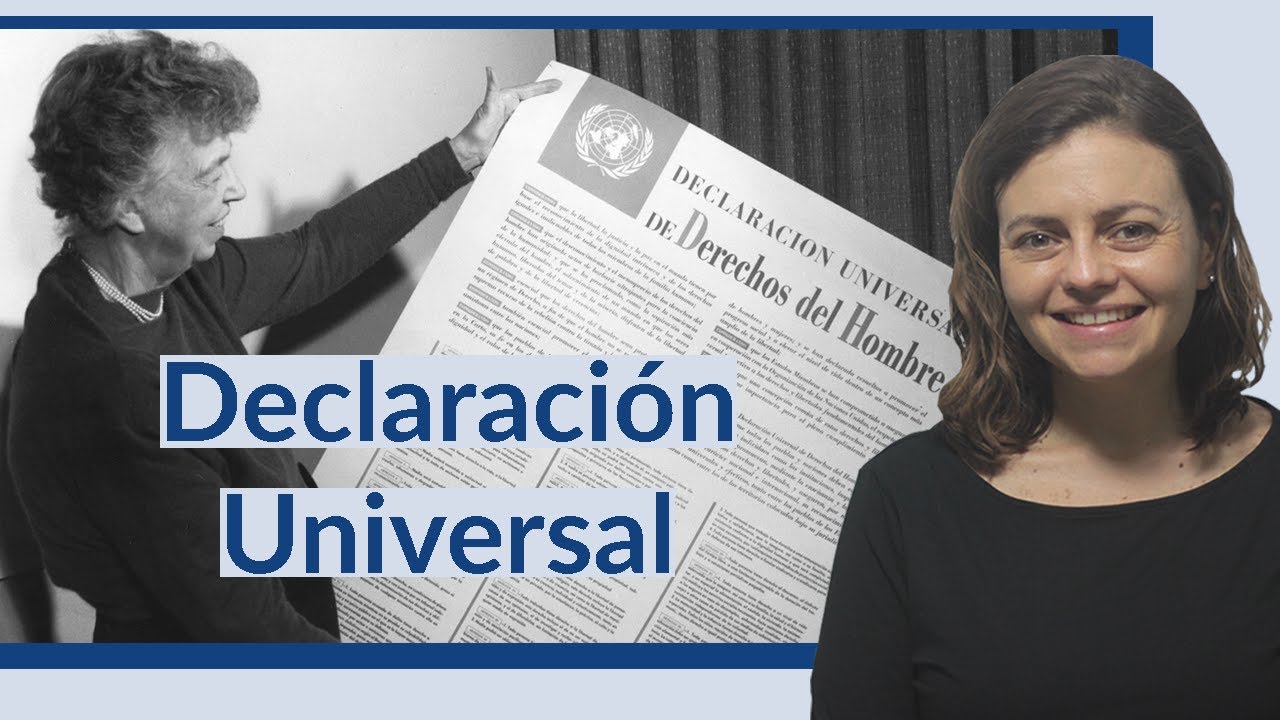
Declaración Universal de Derechos Humanos

Hukum Internasional - Fokus Materi : Hak Asasi Manusia

Globalization & Calls for REFORM [AP World History Review—Unit 9 Topic 5]
5.0 / 5 (0 votes)

