TEMAN SAHUR EPS. 20 | MENGENDALIKAN DIRI DI BULAN PUASA
Summary
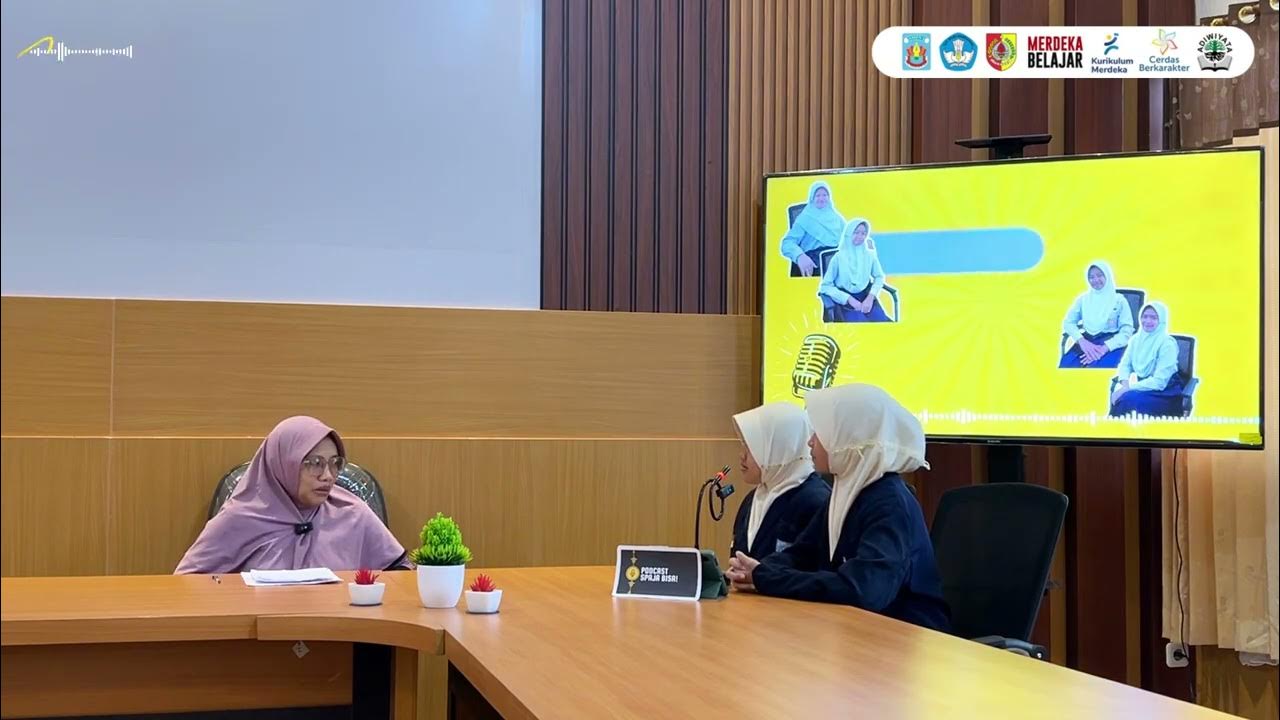
TLDRIn this podcast episode, the host and guest Ibu Eis, a teacher at SMK Wid Nusantara Sumedang, discuss the importance of self-control during the month of Ramadan. They reflect on the challenges of fasting, from physical hunger to emotional control, sharing personal experiences, including managing classroom behavior while fasting. Ibu Eis emphasizes the significance of practicing patience and self-discipline, not only in Ramadan but also in carrying these habits into everyday life. The conversation encourages listeners to improve their self-control and maintain good habits beyond the fasting month.
Takeaways
- 🌙 Fasting during Ramadan is an excellent way to practice self-control and discipline.
- 🍲 One of the main challenges of fasting is resisting temptations like food and thirst.
- 😌 Controlling emotions, such as anger, is part of the self-discipline learned during fasting.
- 🕌 Patience and calmness, especially in challenging situations, are essential virtues during Ramadan.
- 🙏 Saying 'istighfar' (seeking forgiveness) helps manage feelings of annoyance or frustration.
- 📚 Teachers and students alike face tests of self-control, such as staying attentive despite fatigue.
- 🎮 Modern distractions, like late-night gaming, can impact focus and self-discipline, requiring conscious effort to manage.
- ⏰ Consistent good habits developed during Ramadan, like punctual prayer, can carry over to other months.
- -
- 💡 Self-discipline gained from fasting is not just for Ramadan but can positively influence daily life throughout the year.
- 🤝 Encouragement and gentle guidance, rather than anger, are more effective when helping others maintain discipline.
- ✨ The ultimate goal of fasting is to strengthen moral character and maintain good habits beyond Ramadan.
Q & A
Who is the guest featured in this podcast episode?
-The guest is Ibu Eis, a Bahasa Sunda teacher at SMK Wid Nusantara Sumedang.
What is the main topic of discussion in this episode?
-The main topic is fasting during Ramadan as a way to train and practice self-control.
Why is fasting considered a tool for self-control according to Ibu Eis?
-Fasting is considered a tool for self-control because it presents various temptations, such as hunger, thirst, and desires, which require discipline and patience to resist.
Can you describe an experience Ibu Eis shared about controlling her emotions?
-Ibu Eis shared that when she entered her class during Ramadan, many students were sleeping due to fatigue from fasting. Although she initially felt annoyed, she controlled her emotions by being patient and waking them gently, viewing it as a test of self-control.
How does Ibu Eis suggest managing feelings of anger during fasting?
-She recommends controlling anger by frequently saying 'istigfar' (seeking forgiveness from God) and practicing patience instead of immediately expressing irritation.
What are some common challenges students face during fasting mentioned in the podcast?
-Common challenges include feeling hungry and thirsty, experiencing fatigue or sleepiness during classes, and struggling with controlling desires or emotions.
According to Ibu Eis, can the self-discipline learned in Ramadan continue after the month ends?
-Yes, she believes that the self-discipline and good habits cultivated during Ramadan, such as punctuality in prayer, can continue into the following months.
What advice does Ibu Eis give to the listeners about applying self-control?
-She advises listeners to control themselves not only from hunger and thirst but also from temptations and negative emotions, and to carry these good habits beyond Ramadan.
How does technology or late-night gaming affect students’ self-control according to the podcast?
-Students who stay up late playing games may use daytime as rest time, causing fatigue during class. This tests both their physical endurance and the teacher's ability to maintain patience and self-control.
What is the key takeaway message from this podcast episode?
-The key message is to use Ramadan as an opportunity to practice self-control over desires and emotions, and to try to carry these positive habits and discipline into everyday life after the month of fasting.
What role does patience play in fasting and self-control according to Ibu Eis?
-Patience is crucial, as fasting tests both the ability to resist physical temptations like hunger and thirst, and emotional challenges, such as frustration or anger in difficult situations.
How does Ibu Eis encourage listeners to respond when tempted or frustrated?
-She encourages responding calmly by practicing istigfar, staying silent instead of reacting impulsively, and approaching situations with care and understanding.
Outlines

此内容仅限付费用户访问。 请升级后访问。
立即升级Mindmap

此内容仅限付费用户访问。 请升级后访问。
立即升级Keywords

此内容仅限付费用户访问。 请升级后访问。
立即升级Highlights

此内容仅限付费用户访问。 请升级后访问。
立即升级Transcripts

此内容仅限付费用户访问。 请升级后访问。
立即升级浏览更多相关视频

TEMAN SAHUR EPS. 11 | AMALAN KECIL BERDAMPAK BESAR

TEMAN SAHUR EPS. 4 | MENGISI WAKTU LUANG DI BULAN RAMADHAN
PJJ HARI KE-2 MOTIVASI DAN SEMANGAT BELAJAR : BAGAIMANA KITA BISA MENCINTAI ILMU ?

TEMAN SAHUR EPS. 10 | MENJAGA KEDISIPLINAN DI BULAN RAMADHAN

TEMAN SAHUR EPS. 19 | RAMADHAN MEMBENTUK KARAKTER BARU YANG POSITIF

TEMAN SAHUR EPS. 7 | KEWAJIBAN DAN LARANGAN
5.0 / 5 (0 votes)

