Bagaimana Sebenarnya Reformasi 1998 Terjadi?
Summary
TLDRThis video script highlights the key events of Indonesia’s reformasi, tracing the downfall of President Soeharto and the end of the Orde Baru regime. Through mass protests, economic crises, and widespread unrest, the military’s dominant role in politics came to an end, sparking a new era of democratic reforms. Despite progress, lingering questions about corruption, nepotism, and the military’s return to political influence remain. The script reflects on the ongoing struggle for true reform and democratic values, urging continued vigilance to ensure that the promises of the reformasi period are fully realized.
Takeaways
- 😀 The year marked a significant historical event for Indonesia, with thousands of people taking to the streets to demand reform, culminating in the occupation of the DPR building for several days.
- 😀 The reform movement began as a reaction to the New Order regime, which was led by President Suharto and characterized by a centralized, military-dominated government.
- 😀 The military played a dominant role in the New Order regime, overseeing various positions of power in government and state-owned enterprises, even while holding military positions.
- 😀 The New Order's history was tainted by various human rights violations, including disappearances, media suppression, and mysterious shootings.
- 😀 Growing public discontent, worsened by the economic crisis in Asia, led to widespread protests and clashes between citizens and security forces.
- 😀 Despite fears, the public's anger only grew, with clashes resulting in casualties, including the loss of student lives.
- 😀 Tensions among the public also gave rise to riots, particularly targeting businesses owned by the Chinese-Indonesian community.
- 😀 The culmination of these events led to the resignation of President Suharto and the fall of the New Order, ushering in the era of reform in Indonesia.
- 😀 The reform movement led to efforts to restructure Indonesia's democracy, including greater media freedom and stronger human rights protections.
- 😀 One of the key outcomes of reform was the separation of the Indonesian National Armed Forces (ABRI) into the Army (TNI) and the Police (Polri), addressing concerns over the military's excessive power in civilian affairs.
- 😀 The script concludes by reflecting on the current state of Indonesia, questioning whether the promises of reform have been fully achieved, including the eradication of corruption, nepotism, and the return of military functions in government.
Q & A
What was the significance of the Reformasi movement in Indonesia?
-The Reformasi movement was pivotal in ending the authoritarian regime of President Soeharto and transitioning Indonesia towards a more democratic system. It marked the end of the New Order (Orde Baru) and initiated reforms in governance, media freedom, and human rights.
How did the military's involvement in Indonesia's government during the New Order impact the country's politics?
-The military, particularly through the Indonesian National Military (ABRI), held significant political power during the New Order, occupying key governmental positions and influencing national policy. This created a highly centralized and military-dominated government, which led to corruption, human rights abuses, and political suppression.
What were the main causes of the public unrest leading to the Reformasi?
-The public unrest was primarily caused by the economic crisis in Asia, which resulted in inflation, increased living costs, and widespread poverty. The growing discontent was compounded by corruption, human rights violations, and the military's excessive control over both government and business.
How did the economic crisis contribute to the fall of President Soeharto?
-The economic crisis severely damaged Indonesia's economy, leading to rising prices and social inequality. Protests and demonstrations, particularly among students, intensified due to the economic hardship. The government's inability to resolve these issues contributed to Soeharto's eventual resignation.
What role did student protests play in the Reformasi movement?
-Student protests played a crucial role in the Reformasi movement. They were at the forefront of demanding change, often clashing with the military and risking their lives. Their determination and the loss of several students' lives in clashes heightened the pressure on the government to step down.
What was the 'Dual Function' (Dwi Fungsi) of the military, and why was it controversial?
-The 'Dual Function' (Dwi Fungsi) allowed the military to have both defense and internal security roles while also participating in civilian government affairs. This was controversial because it gave the military significant influence over politics and governance, which many viewed as a source of corruption and abuse of power.
What changes occurred in Indonesia's governance after Soeharto's resignation?
-After Soeharto's resignation, Indonesia began transitioning to democracy. Reforms included media freedom, greater protection of human rights, and the separation of the military into distinct entities: the Indonesian National Army (TNI) and the police (Polri). These reforms aimed to prevent the military from interfering in civilian government.
How did the media landscape change after the Reformasi?
-The media landscape in Indonesia underwent significant transformation after the Reformasi. Government censorship was lifted, and the media gained more independence and freedom to report on political and social issues without fear of government suppression.
What was the impact of the Reformasi on human rights in Indonesia?
-The Reformasi brought greater attention to human rights in Indonesia. There was a concerted effort to protect human rights, improve transparency, and end practices such as political imprisonment and media suppression. However, the process of fully safeguarding human rights continues to be a work in progress.
Has Indonesia fully achieved the goals of the Reformasi movement, particularly in terms of fighting corruption and military influence?
-While Indonesia has made significant progress since the Reformasi, such as reducing military influence in government and increasing media freedom, challenges remain. Corruption and the influence of military factions in politics are still issues, and questions about the complete fulfillment of the Reformasi goals persist.
Outlines

此内容仅限付费用户访问。 请升级后访问。
立即升级Mindmap

此内容仅限付费用户访问。 请升级后访问。
立即升级Keywords

此内容仅限付费用户访问。 请升级后访问。
立即升级Highlights

此内容仅限付费用户访问。 请升级后访问。
立即升级Transcripts

此内容仅限付费用户访问。 请升级后访问。
立即升级浏览更多相关视频
Sejarah Indonesia Zaman Pemerintahan Orde Lama (1950-1965)
Dinamika Penerapan Demokrasi Pancasila - PPKn Kelas 11

Semua Orde Pemerintahan RI dalam 5 Menit – Orde Lama, Baru, dan Reformasi

Indonesia pada Masa Reformasi 1998 - Sekarang
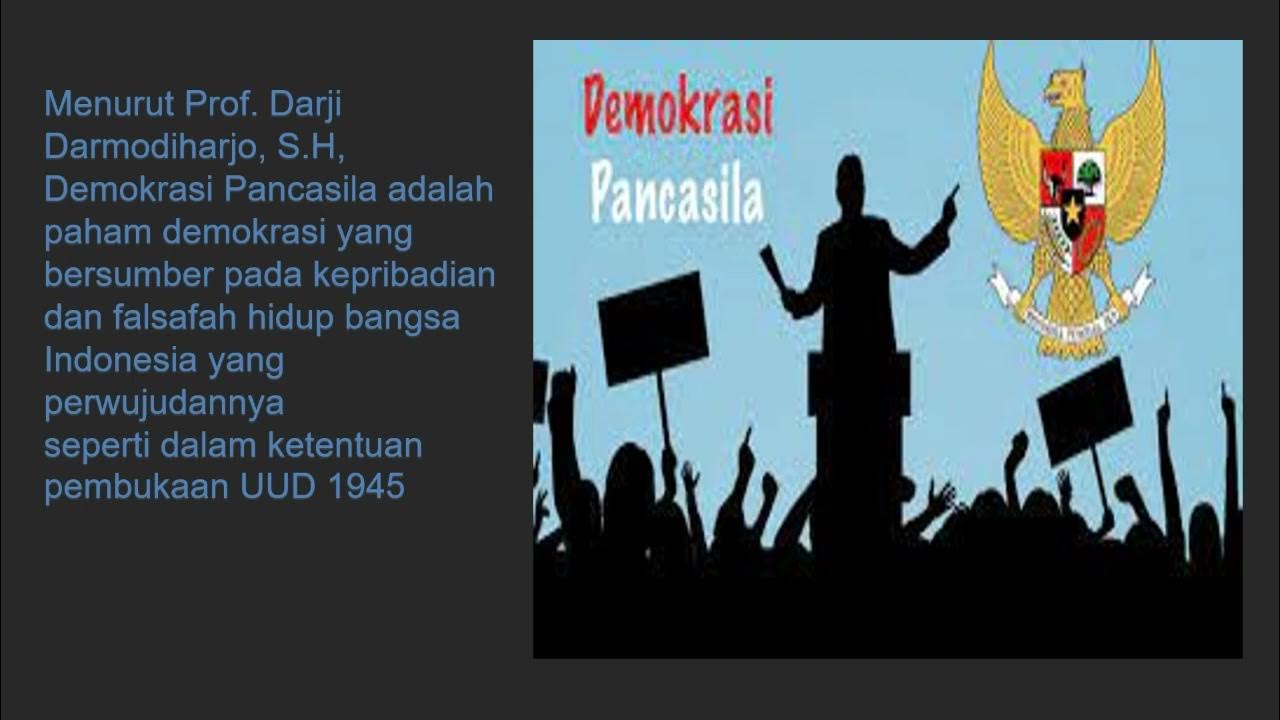
Sistem dan Dinamika Demokrasi Pancasila di Indonesia
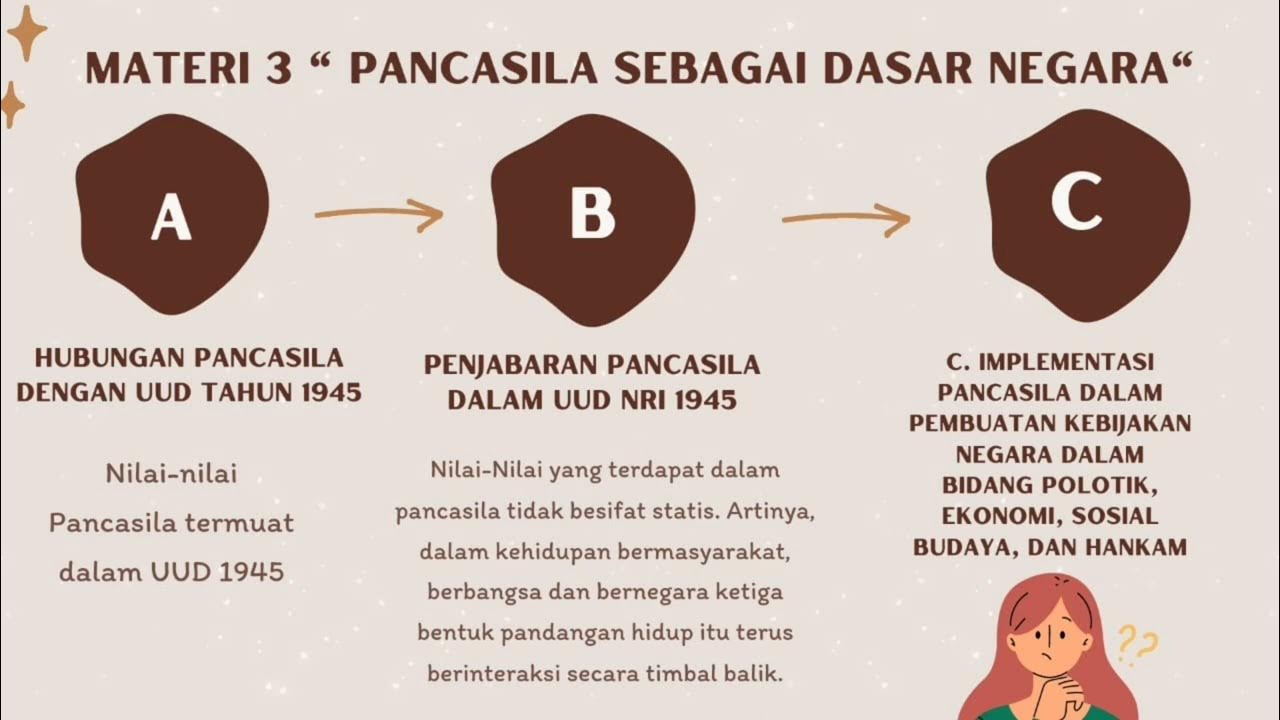
Resum Materi Pancasila Semester 1
5.0 / 5 (0 votes)

