4e Histoire/ L'Europe des lumières : circulation des idées, despotisme éclairé et contestation
Summary
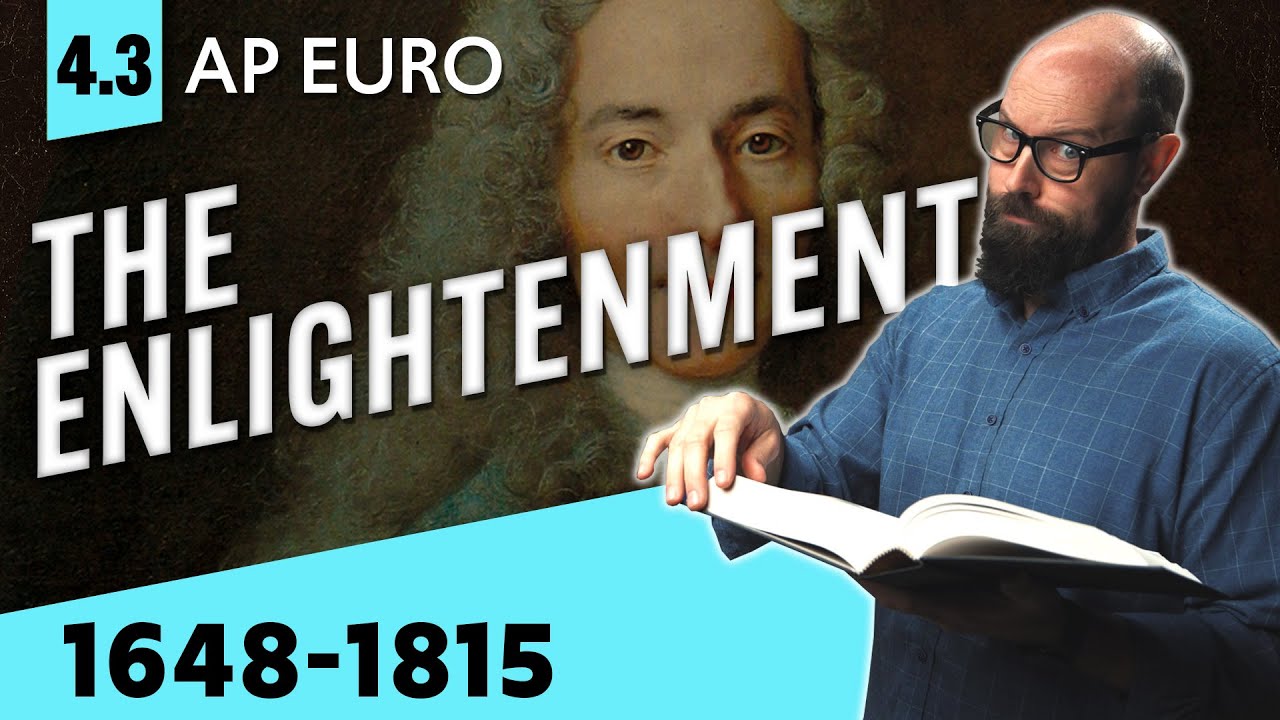
TLDRThis educational video explores the Enlightenment in 18th-century Europe, focusing on the spread of new ideas that challenged society. It highlights Voltaire, a leading philosopher who criticized religious intolerance, slavery, and absolutism, while advocating equality, justice, and freedom. The video explains how Enlightenment ideas influenced political thought, favoring constitutional monarchies or parliamentary systems, and opposed the rigid social hierarchy of the time. It also illustrates the dissemination of these ideas through cafés, salons, plays, and the influential Encyclopédie. Finally, it connects these intellectual movements to the American Declaration of Independence, showing the global impact of Enlightenment thought on liberty and governance.
Takeaways
- 😀 Voltaire (1694-1778) was a key philosopher of the Enlightenment, advocating for freedom, justice, and equality.
- 😀 Voltaire admired England for its liberties and criticized France for its lack of freedom and justice.
- 😀 He defended Protestants, criticized slavery, and opposed religious intolerance.
- 😀 Enlightenment philosophers challenged absolutism and advocated for the separation of powers or giving power to the people.
- 😀 Most philosophers supported a constitutional or parliamentary monarchy, inspired by the English system.
- 😀 The philosophers criticized social inequalities and the privileges of the clergy and nobility over the Third Estate.
- 😀 Cafés and salons were important venues for discussing and spreading Enlightenment ideas.
- 😀 Diderot and d'Alembert's Encyclopédie spread Enlightenment ideas despite censorship, challenging absolute monarchy and the Church.
- 😀 Theatre and literature, such as Beaumarchais' *The Marriage of Figaro*, were used to critique society and spread Enlightenment ideas.
- 😀 Enlightenment ideas influenced European monarchs ('enlightened despots') and inspired the American Declaration of Independence and Constitution.
Q & A
Who was Voltaire and why is he considered a key philosopher of the Enlightenment?
-Voltaire, born François-Marie Arouet (1694-1778), was a philosopher of the Enlightenment known for advocating freedom, justice, and equality. He criticized religious intolerance, slavery, and absolute monarchy, and admired the liberties of England.
What was Voltaire’s stance during the Calas affair?
-During the Calas affair, Voltaire defended the Protestant Calas family and publicly criticized religious intolerance in France, using the case to advocate for justice and equality.
How did Enlightenment philosophers challenge society in the 18th century?
-They criticized absolutism, social inequalities, and the privileges of the clergy and nobility, advocating for separation of powers, fair taxation, independent justice, and a more equitable society.
What types of governments did most Enlightenment philosophers support?
-Most philosophers supported constitutional or parliamentary monarchies, inspired by the English system, rather than absolute monarchies.
What role did caricatures and anonymous writings play during the Enlightenment?
-They served to criticize social inequalities and the burdens imposed on common people, exposing the privileges of the nobility and clergy in an accessible, often satirical form.
How were Enlightenment ideas spread across Europe?
-Ideas were spread through cafés and salons where intellectuals gathered, publications like Diderot and d’Alembert’s Encyclopédie, theater and comedies like Beaumarchais' *Le Mariage de Figaro*, and the travels of philosophers like Voltaire.
What was the significance of the Encyclopédie in the Enlightenment?
-The Encyclopédie collected knowledge in articles that critiqued absolutism, the Catholic Church, and societal norms, reaching wide audiences despite censorship and significantly promoting Enlightenment ideas.
Who were the 'enlightened despots' and how did they relate to Enlightenment ideas?
-'Enlightened despots' were monarchs who adopted certain Enlightenment ideas, such as reforms in justice or education, while maintaining absolute power, thereby spreading some philosophical principles at the top levels of society.
How did Enlightenment ideas influence the American Revolution?
-Enlightenment principles like liberty, equality, and independence inspired the American Declaration of Independence in 1776 and the U.S. Constitution, supported by France, with George Washington becoming the first president.
What were the main goals of the Enlightenment philosophers regarding religion and equality?
-They sought to reduce religious intolerance, promote equal rights for all humans, challenge the hierarchical society of clergy, nobility, and commoners, and ensure justice was fair and independent of social privilege.
Why did Voltaire admire England and use it as a model?
-Voltaire admired England for its greater freedoms, justice system, and parliamentary government, which he saw as a contrast to the absolutism and social inequalities in France.
Outlines

This section is available to paid users only. Please upgrade to access this part.
Upgrade NowMindmap

This section is available to paid users only. Please upgrade to access this part.
Upgrade NowKeywords

This section is available to paid users only. Please upgrade to access this part.
Upgrade NowHighlights

This section is available to paid users only. Please upgrade to access this part.
Upgrade NowTranscripts

This section is available to paid users only. Please upgrade to access this part.
Upgrade Now




5.0 / 5 (0 votes)
