Metode Elektromagnetik (geofisika) bagian 1
Summary
TLDRThis lecture introduces electromagnetic geophysical methods, focusing on the principles of electromagnetic induction and how they apply to subsurface exploration. The lecturer explains how electromagnetic waves, guided by Maxwell's equations and Faraday's Law, induce secondary currents and magnetic fields in subsurface materials. The method is primarily used to measure the resistivity, conductivity, and magnetic permeability of underground layers. The lecture also discusses the impact of frequency and conductivity on the penetration depth of electromagnetic waves, and explores methods like Frequency Domain (FDM) and Time Domain (TDM) electromagnetic techniques, which are essential in geophysical surveys for material identification.
Takeaways
- 😀 Electromagnetic (EM) methods in geophysics are used to study the subsurface properties of rocks and materials, similar to electrical resistivity methods but utilizing EM waves.
- 😀 EM methods are based on Maxwell's equations, particularly Faraday's law, where changing electric currents induce secondary magnetic fields and vice versa.
- 😀 The survey process involves transmitting EM waves into the ground, which induce currents in conductive subsurface materials, producing secondary EM fields detected by receivers.
- 😀 EM methods can be classified based on frequency (frequency-domain EM) or time variation (time-domain EM) of the transmitted waves.
- 😀 Key physical properties targeted by EM methods include magnetic permeability, electrical permittivity, and electrical conductivity of subsurface materials.
- 😀 Conductivity values of different rocks vary, for example, igneous rocks have low conductivity, while sedimentary rocks or graphite can have higher conductivity, sometimes causing ambiguity in interpretation.
- 😀 EM methods are widely used in mineral exploration and engineering since the 1960s, providing essential information on subsurface structures.
- 😀 Ground Penetrating Radar (GPR) also uses EM waves, similar in principle but relies on reflection from materials with contrasting permittivity or permeability.
- 😀 The depth of penetration of EM waves depends on the conductivity of the medium and the frequency of the transmitted signal; lower frequency and less conductive materials allow deeper penetration.
- 😀 EM wave amplitude attenuates exponentially with depth, meaning that conductive materials and higher frequencies reduce the effective depth that can be probed.
- 😀 Field measurements require a transmitter (TX) to generate primary EM fields and a receiver (RX) to detect secondary EM fields, with recorded data processed to infer subsurface properties.
- 😀 The EM method’s effectiveness relies on detecting induced secondary currents and magnetic fields, which provide information about the material type and structure beneath the surface.
Q & A
What is the primary focus of electromagnetic methods in geophysics?
-Electromagnetic methods in geophysics focus on detecting the physical properties of subsurface materials, particularly their electrical conductivity and magnetic permeability, by inducing electromagnetic waves into the ground.
How is electromagnetic induction used in this method?
-Electromagnetic induction occurs when changes in the magnetic flux or electric field induce secondary currents and magnetic fields in the subsurface material. These changes are recorded by receivers to analyze the subsurface properties.
What are the key differences between electromagnetic and geoelectric methods?
-Both methods are used to analyze subsurface properties, but the electromagnetic method relies on the induction of electromagnetic waves, while the geoelectric method typically uses electrical resistivity to gather data.
How does the frequency or time variation affect the electromagnetic method?
-Electromagnetic methods use variations in frequency or time to transmit electromagnetic waves. The frequency and time variations help in the detection of subsurface materials by inducing changes in electric and magnetic fields, which are then measured.
What role do Maxwell’s equations play in electromagnetic methods?
-Maxwell's equations govern the behavior of electromagnetic fields. In the context of geophysics, these equations, especially Faraday's law of induction, describe how changes in magnetic fields can induce electric currents and vice versa, which is essential for electromagnetic surveying.
What is the significance of secondary currents and magnetic fields in electromagnetic surveys?
-Secondary currents and magnetic fields generated in the subsurface are crucial because they provide insight into the resistivity and conductivity of the medium below the surface. These measurements help geophysicists understand the composition of the subsurface material.
How does electromagnetic wave attenuation affect data interpretation?
-Electromagnetic wave attenuation causes a reduction in the amplitude of the signal as it penetrates deeper into the ground. This attenuation is influenced by factors like conductivity and frequency, which impacts the depth of measurement and the quality of the data.
What factors influence the depth of electromagnetic wave penetration?
-The penetration depth of electromagnetic waves is influenced by the conductivity of the subsurface material and the frequency of the waves used. Lower frequencies and less conductive materials allow deeper penetration, while higher frequencies and more conductive materials limit penetration.
What are the typical physical properties targeted in electromagnetic surveys?
-The primary physical properties targeted in electromagnetic surveys are electrical conductivity, magnetic permeability, and dielectric permittivity of the subsurface materials.
What is the role of dielectric permittivity in electromagnetic methods?
-Dielectric permittivity measures how a material responds to an external electric field. It is an important parameter in electromagnetic surveys, particularly in Ground Penetrating Radar (GPR) methods, as it helps determine how the material interacts with electromagnetic waves.
Outlines

This section is available to paid users only. Please upgrade to access this part.
Upgrade NowMindmap

This section is available to paid users only. Please upgrade to access this part.
Upgrade NowKeywords

This section is available to paid users only. Please upgrade to access this part.
Upgrade NowHighlights

This section is available to paid users only. Please upgrade to access this part.
Upgrade NowTranscripts

This section is available to paid users only. Please upgrade to access this part.
Upgrade NowBrowse More Related Video
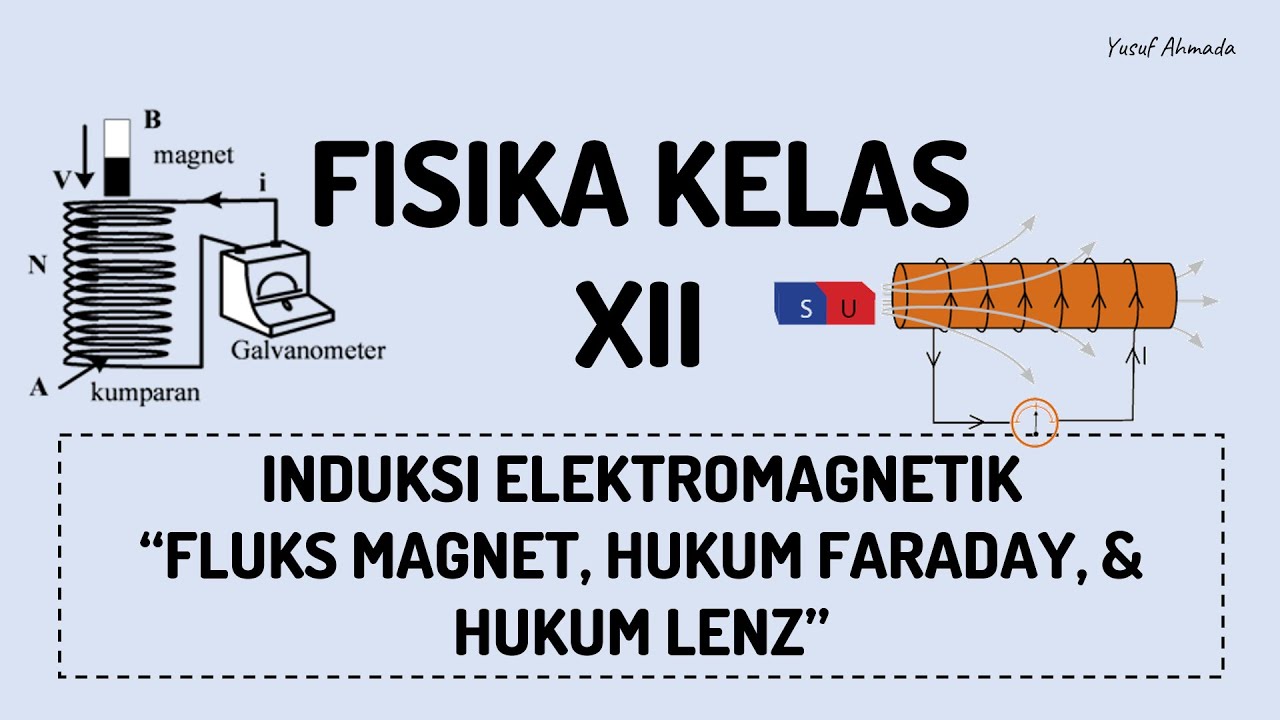
FISIKA KELAS XII | INDUKSI ELEKTROMAGNETIK - Fluks Magnet, Hukum Faraday, dan Hukum Lenz

INDUKSI ELEKTROMAGNETIK || KEMAGNETAN || DINAMO || TRANSFORMATOR || IPA || KELAS 9
Electromagnetic Induction Revision in 20 minute || Chapter 6 class 12 Physics oneshot || CBSE/MP/UP
INDUKSI ELEKTROMAGNETIK DAN PEMANFAATANNYA KELAS 9
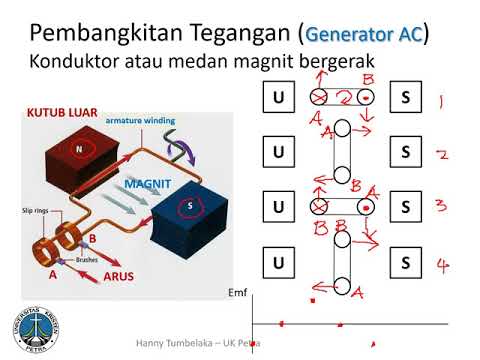
Prinsip Kerja Generator AC

MT-1. Overview Metode Magnetotellurik (MT)
5.0 / 5 (0 votes)
