AKTIVITAS KEHIDUPAN MASYARAKAT MASA ISLAM | IPS SMP KELAS 7
Summary
TLDRThis video explores the rise and influence of Islam in Southeast Asia, particularly in Indonesia, from the decline of Hindu-Buddhist civilizations to the establishment of Islamic kingdoms. It covers various theories on how Islam entered the region, including through trade, marriage, education, and cultural exchange. The spread of Islam is also attributed to peaceful methods, such as Sufism and direct missionary efforts. Key Islamic kingdoms such as Samudra Pasai, Aceh, Demak, and Makassar are highlighted, along with their cultural, social, and religious impacts, leaving a rich legacy of architecture, art, and literature that blended Islamic teachings with local traditions.
Takeaways
- 😀 Hindu-Buddha civilization in Nusantara declined between the 3rd and 13th centuries due to political conflicts, changing trade routes, and the rise of Islam.
- 😀 The exact timeline and origin of Islam’s arrival in Nusantara remain uncertain, but it is believed to have entered through trade, especially from Muslim traders in Sumatra and the surrounding regions.
- 😀 Islam is thought to have come to Nusantara via various routes, including through India, Persia, and China, influencing local culture and religious practices.
- 😀 Islam spread peacefully in Nusantara, largely due to its simple and accessible teachings, which did not require significant financial commitment from the followers.
- 😀 Key methods of Islamic spread included trade, marriage, education, art, direct preaching, and the influence of Tasawuf (Sufism).
- 😀 Muslim traders played a vital role in spreading Islam by establishing settlements around ports and creating Muslim communities.
- 😀 Marriages between Muslim traders and local nobility helped further Islam’s spread in Nusantara by establishing political and cultural ties.
- 😀 Education through pesantren (Islamic schools) was crucial in spreading Islam, with students returning to their regions to spread the religion.
- 😀 The arts, such as wayang (puppet shows), music, and literature, were used effectively as vehicles for Islamic teachings, blending local traditions with Islamic beliefs.
- 😀 Islamic kingdoms such as Samudra Pasai, Aceh Darussalam, Demak, Banten, Makassar, and Mataram played an essential role in promoting Islam across Indonesia, each contributing to the region's Islamic culture.
- 😀 The influence of Islamic civilization can still be seen today through historical sites like mosques, tombs, Islamic art, and literature, reflecting a harmonious blend of Islamic and local traditions.
Q & A
When did the Hindu-Buddhist civilization develop in the Indonesian archipelago, and when did it begin to decline?
-The Hindu-Buddhist civilization in the Indonesian archipelago developed from around the 3rd century and lasted until the end of the 13th century. It began to decline due to political conflicts, struggles for power among kingdoms, changes in trade routes, and the gradual spread of Islam.
Why is the exact time and place of Islam's arrival in the Indonesian archipelago still uncertain?
-The exact time and place remain uncertain because historical records are limited and different historical sources provide varying interpretations about when and how Islam first entered the region.
What are the main theories about how Islam entered the Indonesian archipelago?
-The main theories suggest that Islam entered through Arab traders in western Sumatra, through Indian or Gujarati traders bringing Sufi teachings around the 13th century, through Persian influence visible in cultural practices and Qur'an recitation styles, and through Chinese connections with Islamic figures in Java.
Why was Islam able to spread rapidly in the Indonesian archipelago?
-Islam spread rapidly because it was introduced peacefully, promoted equality among people, had simple religious practices, required minimal costs for worship, and adapted well to local cultures.
What were the main methods used to spread Islam in the Indonesian archipelago?
-Islam spread through several methods, including trade, marriage between Muslim traders and local elites, Islamic education in pesantren, cultural arts such as wayang and music, direct preaching by religious leaders, and Sufi teachings that were compatible with local spiritual traditions.
What is considered the first Islamic kingdom in Indonesia?
-The first Islamic kingdom in Indonesia is Samudra Pasai, located at the northern tip of Sumatra, with Sultan Malik Al-Saleh recognized as its first ruler.
What made Samudra Pasai an important kingdom during its time?
-Samudra Pasai was strategically located along the Malacca Strait trade route, making it an important international trading port and a center for Islamic learning and governance.
When did the Aceh Sultanate reach its golden age and under which ruler?
-The Aceh Sultanate reached its golden age during the reign of Sultan Iskandar Muda from 1607 to 1636, when it had strong military power and extensive territorial influence in Sumatra.
Who founded the Demak Sultanate and how was it connected to the Majapahit Kingdom?
-The Demak Sultanate was founded by Raden Patah after he converted to Islam and separated from the Hindu-Buddhist Majapahit Kingdom.
What role did Fatahillah play in the spread of Islam in Java?
-Fatahillah played an important role by leading forces that expelled the Portuguese from Sunda Kelapa and renaming the city Jayakarta, while also helping expand Islamic influence to Banten and Cirebon.
Why did the Banten Sultanate become an important trading center?
-Banten became an important trading center because it controlled the spice trade, especially pepper from Banten and Lampung, as well as cloves and nutmeg from the Maluku Islands.
Which kingdom in Sulawesi became an early Islamic center in the region?
-The twin kingdoms of Gowa and Tallo in Makassar became the first Islamic kingdoms in Sulawesi after their rulers converted to Islam in 1605.
Who was Sultan Hasanuddin and why is he remembered in Indonesian history?
-Sultan Hasanuddin was the ruler of the Gowa Kingdom in Makassar who strongly resisted Dutch colonial forces between 1653 and 1669, earning the nickname 'The Rooster of the East' for his bravery.
What was the peak period of the Mataram Islamic Kingdom?
-The Mataram Islamic Kingdom reached its peak during the reign of Sultan Agung from 1613 to 1645, when its territory expanded across most of Java.
What historical heritage did Islamic civilization leave in Indonesia?
-Islamic civilization left many historical legacies including mosques with traditional architectural elements, Islamic-style tombs, decorative carvings with plant and geometric motifs, and literary works such as hikayat, babad, and Sufi manuscripts.
Outlines

This section is available to paid users only. Please upgrade to access this part.
Upgrade NowMindmap

This section is available to paid users only. Please upgrade to access this part.
Upgrade NowKeywords

This section is available to paid users only. Please upgrade to access this part.
Upgrade NowHighlights

This section is available to paid users only. Please upgrade to access this part.
Upgrade NowTranscripts

This section is available to paid users only. Please upgrade to access this part.
Upgrade NowBrowse More Related Video

Kerajaan Hindu Budha di Indonesia (Bagian 1) / Sejarah Kelas X/ Kurikulum Merdeka
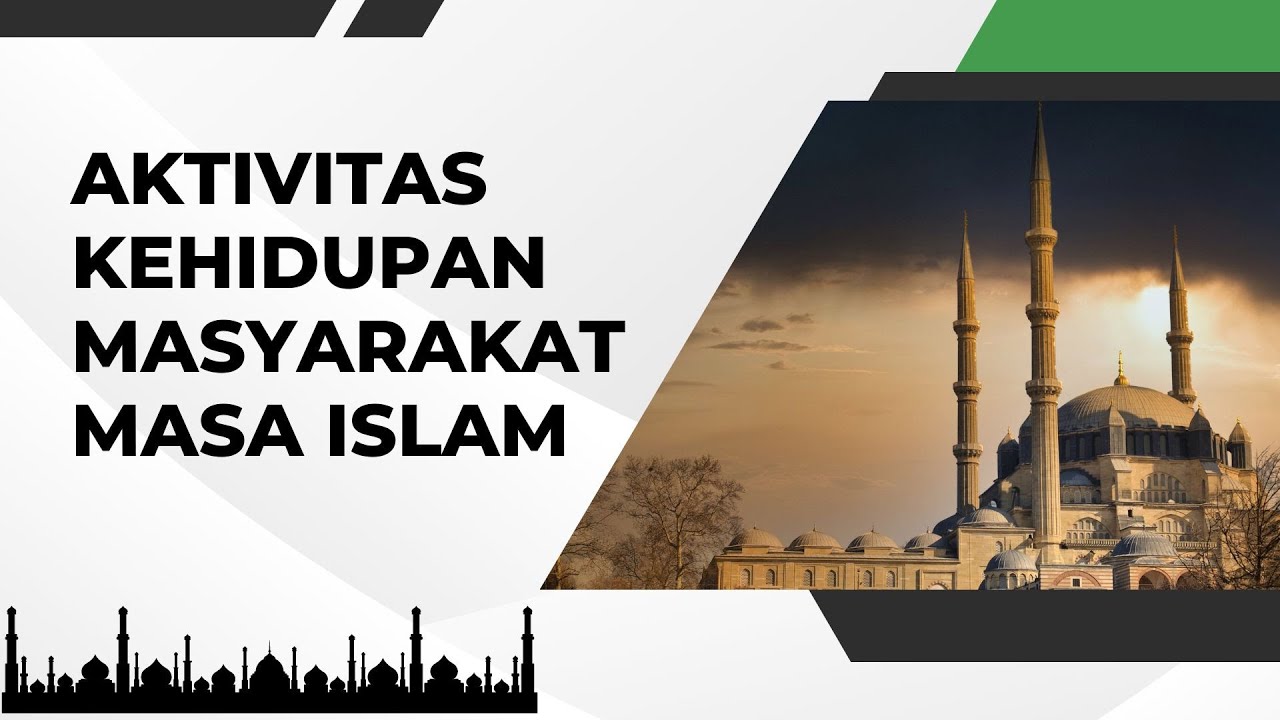
Aktivitas Kehidupan Masyarakat Masa Islam
"Kerajaan Hindu Buddha di Indonesia" - Sejarah

S1 KURMER SMA 10 PAIBP BAB 5 MENELADANI ULAMA PENYEBAR ISLAM DI INDONESIA

SALURAN SALURAN PENYEBARAN ISLAM KE NUSANTARA

Belajar Sejarah - Kerajaan Hindu Buddha di Indonesia #BelajarDiRumah
5.0 / 5 (0 votes)
