ILMU DALALAH PERTEMUAN II || oleh MOCH. SONY FAUZI, M. Pd | DOSEN UIN MAULANA MALIK IBRAHIM MALANG
Summary
TLDRThe transcript delves into an intricate discussion of linguistics, semantics, and Islamic studies, focusing on the relationship between language, meaning, and context. It covers various branches of knowledge, such as Ilmu Dalalah and Ilmu Nahwu, explaining their significance in understanding the depth of language. The text also explores historical perspectives of semantics, comparing Western and Eastern approaches to meaning-making in language. Through examples and theoretical concepts, the speaker emphasizes how context and intonation can shape the meaning of words and sentences. This blend of theory and practical examples aims to deepen understanding of semantic analysis.
Takeaways
- 😀 The importance of understanding meaning in language and the connection between language and culture is emphasized, especially in Arabic linguistic studies.
- 😀 The discussion touches upon the significance of learning about semantics, including its history and how it has evolved over time in both Western and Eastern academic traditions.
- 😀 The script blends religious, cultural, and academic references, with a focus on Islamic linguistic studies and classical Arabic scholarship.
- 😀 A key concept in the transcript is the idea of 'Ilmu Dalalah' (the science of meaning) and its relationship with other linguistic sciences like Nahwi (syntax), Sharaf (morphology), and Ma'ani (rhetoric).
- 😀 The transcript explores the role of intonation and context in determining the meaning of words and sentences, highlighting the importance of situational interpretation.
- 😀 There is a comparison made between how Western linguistics and Arabic linguistics approach the study of meaning, particularly in relation to early Islamic scholarship.
- 😀 Examples of semantic analysis are given, such as how a single word can have multiple meanings based on context, like the word 'perempuan' (woman) in different sentences.
- 😀 The historical development of semantics in the West is outlined, beginning with scholars like Michael Pril in the late 19th century, while similar studies were already advanced in the Arab world long before.
- 😀 There is a focus on the need for Arabic linguists to present Eastern linguistic theories alongside Western ones in order to achieve a balanced academic approach.
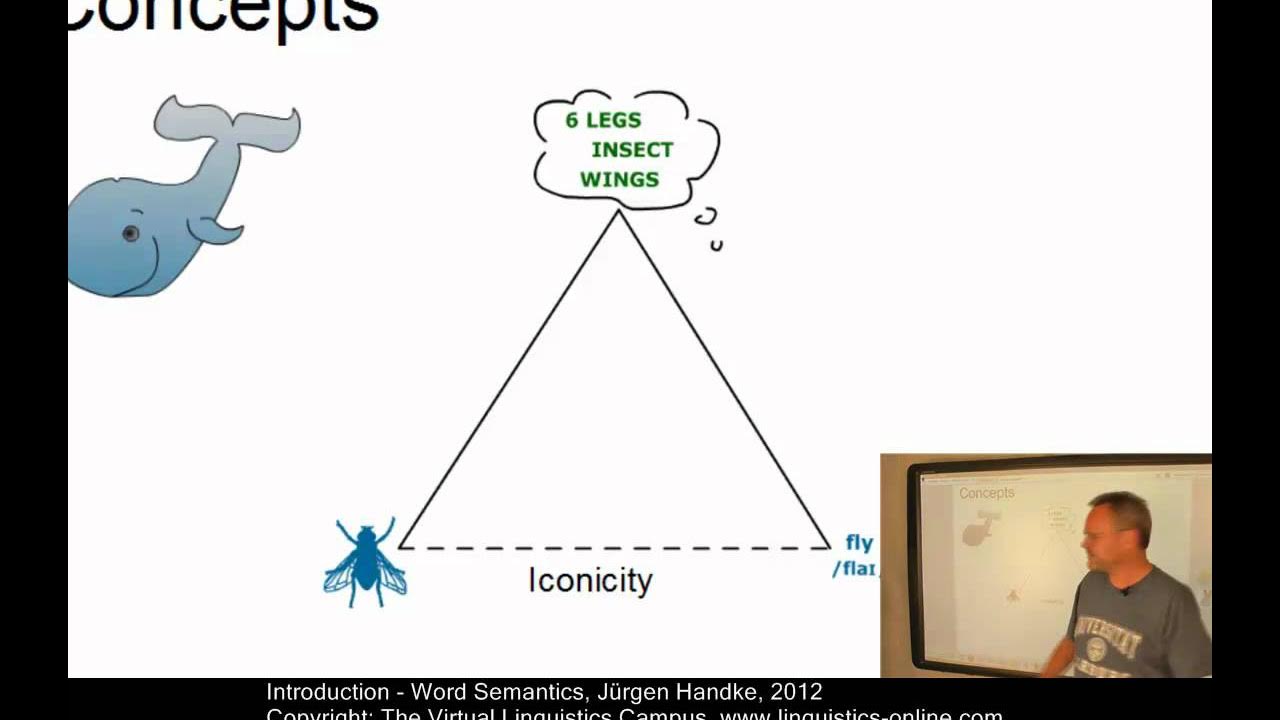
- 😀 The discussion also touches on non-linguistic semiotics, such as the meanings behind symbols like the image of a scale or religious symbols, demonstrating the breadth of semantical studies beyond language itself.
Q & A
What is the importance of intonation in determining the meaning of a sentence?
-Intonation plays a crucial role in determining the meaning of a sentence. Even if the words are the same, a change in intonation can completely alter the meaning, as it reflects different contexts or emotional undertones in communication.
How does the script explain the relationship between 'Ilmu Dalalah' and 'Ilmu Nahwi'?
-'Ilmu Dalalah' (the science of signs and meaning) and 'Ilmu Nahwi' (syntax) are closely related, as the meaning of a sentence or phrase often depends on its grammatical structure, which is governed by Nahwi rules. Context and the intended meaning affect sentence construction, showing the interdependence of both fields.
What is the significance of the historical development of semantics in Western linguistics?
-The development of semantics in Western linguistics marks a shift from early discussions about meaning to a formalized study of how meaning is conveyed through language. This journey includes contributions from scholars like Michael Pril and Gustav Saint, and highlights the movement from informal discourse to a distinct discipline.
What role does 'Ilmu Sharaf' play in understanding meaning?
-'Ilmu Sharaf' (morphology) studies the structure of words and how changes in word form affect meaning. This field explores how different forms of a word can imply different nuances or interpretations based on their grammatical transformation.
What are the three main areas of semantic analysis mentioned in the transcript?
-The three main areas of semantic analysis are lexical semantics, sentential semantics, and speech act semantics. Lexical semantics deals with word meanings, sentential semantics focuses on sentence structure, and speech act semantics explores how language functions in communication.
How does the concept of 'reference' (musyareh) contribute to understanding meaning?
-The concept of 'reference' (musyareh) helps define the relationship between words and the things they refer to. It emphasizes how words or phrases point to real-world objects or concepts, anchoring abstract meanings to tangible or understood referents.
What is the connection between the concepts of 'morphology' and 'meaning'?
-Morphology refers to the structure and form of words. Changes in word forms can result in different meanings. For example, the transformation of words in 'Ilmu Sharaf' often alters the underlying semantic content, which is crucial for accurate communication.
How does the transcript explain the relationship between 'Ilmu Dalalah' and 'Pragmatics'?
-'Ilmu Dalalah' and pragmatics are linked in that both concern meaning in context. While Dalalah focuses on the relationship between signs and their meanings, pragmatics examines how context, intention, and usage affect interpretation, revealing the dynamic nature of meaning.
What are some examples of non-linguistic symbols discussed in the transcript?
-Non-linguistic symbols discussed in the transcript include images like the scales of justice, the Kaaba, and a Buddha statue. These symbols convey specific meanings depending on cultural or contextual understanding, even though they are not formed from language.
Why is the study of semantics important in understanding language and communication?
-The study of semantics is vital for understanding how meaning is constructed and conveyed through language. By analyzing word meanings, sentence structures, and the impact of context, semantics helps clarify how people interpret language and interact with one another effectively.
Outlines

This section is available to paid users only. Please upgrade to access this part.
Upgrade NowMindmap

This section is available to paid users only. Please upgrade to access this part.
Upgrade NowKeywords

This section is available to paid users only. Please upgrade to access this part.
Upgrade NowHighlights

This section is available to paid users only. Please upgrade to access this part.
Upgrade NowTranscripts

This section is available to paid users only. Please upgrade to access this part.
Upgrade Now


5.0 / 5 (0 votes)
