How to teach Gen Z and Gen Alpha
Summary
TLDRIn this video, we explore how Generations Z and Alpha prefer learning and key strategies to engage them in the classroom. These digital natives crave interactive, flexible, and hands-on experiences, with a preference for technology, multimedia content, and collaborative tools. Effective strategies include flipped classrooms, microlearning, technology integration like gamified platforms and AI tutors, and active learning approaches that foster participation and problem-solving. By understanding their unique learning preferences, educators can better design courses that captivate and inspire these learners, ensuring they remain engaged and motivated.
Takeaways
- 😀 Generations Z and Alpha are digital natives who prefer learning through technology, multimedia content, and online resources.
- 😀 These generations value engagement, creativity, and purpose in their learning experiences, seeking more than traditional textbook-based education.
- 😀 Generation Z (born 1997-2012) and Generation Alpha (born from 2013 onwards) have been raised in a tech-heavy environment, with Gen Alpha being even more immersed in AI and interactive devices.
- 😀 In-class activities like problem-solving and discussions are highly effective for these learners, with 95% agreeing that they help grasp course material.
- 😀 Real-world applications of academic concepts, such as projects and internships, are valued by 79% of Gen Z and Alpha learners.
- 😀 Gen Z and Alpha prefer to work independently, even in team settings, using tools like Google Docs for virtual collaboration, reflecting a preference for autonomy and flexibility.
- 😀 Clear, structured, and concise guidance is crucial to keeping Gen Z and Alpha engaged, as fast-paced digital environments make it harder for them to focus during long lectures.
- 😀 The Flipped Classroom model is effective for these generations, as it allows them to watch video lectures at their own pace and use classroom time for hands-on, collaborative activities.
- 😀 Microlearning, which breaks content into small, digestible chunks, aligns with the multitasking habits of these learners and helps prevent overwhelm.
- 😀 Technology integration, such as gamified learning platforms, VR, and AI tutors, enhances engagement and supports individualized learning needs.
- 😀 Active Learning, which involves direct student engagement through discussions, group projects, and hands-on activities, is highly effective for fostering deeper understanding and motivation among Gen Z and Alpha learners.
Q & A
What makes Generations Z and Alpha different from previous generations in terms of learning preferences?
-Generations Z and Alpha are digital natives, meaning they have grown up surrounded by technology such as smartphones, social media, and online resources. They prefer interactive, multimedia content and are accustomed to using digital tools for learning rather than relying on traditional textbooks.
Why is traditional lecture-based teaching less effective for Gen Z and Alpha?
-Traditional lecture-based teaching often struggles to engage these generations because they have shorter attention spans and are accustomed to fast-paced digital environments. They prefer more dynamic, hands-on learning experiences that incorporate technology and real-world applications.
How can the Flipped Classroom model benefit Gen Z and Alpha learners?
-The Flipped Classroom model allows students to watch pre-recorded video lectures at their own pace before class, which helps address short attention spans. It frees up class time for more interactive, hands-on activities where students can apply their knowledge, enhancing both understanding and engagement.
What is Microlearning, and how does it cater to Gen Z and Alpha learners?
-Microlearning involves breaking content into small, digestible chunks, which is ideal for Gen Z and Alpha learners who are used to multitasking and have shorter attention spans. This approach allows students to learn in bite-sized segments, using various formats like videos, infographics, and quizzes to reinforce understanding.
What role does technology play in the education of Gen Z and Alpha?
-Technology plays a crucial role in the education of Gen Z and Alpha as they are highly responsive to digital tools such as gamified platforms, VR, and AI tutors. These technologies make learning more engaging and support individualized learning at their own pace, accommodating diverse learning preferences.
Why are hands-on, real-world applications important for Gen Z and Alpha learners?
-Hands-on experiences and real-world applications help make academic concepts more relevant and practical for Gen Z and Alpha. These learners appreciate opportunities to apply what they've learned in real-world contexts, such as through projects or internships, which enhance their understanding and retention of knowledge.
How does the preference for autonomy affect teamwork among Gen Z and Alpha students?
-While Gen Z and Alpha value collaboration, they often prefer to work independently, even within a team. They are comfortable using digital tools like Google Docs to collaborate virtually, allowing them to contribute individually while still maintaining a sense of teamwork. This highlights their need for flexibility and autonomy.
What is the benefit of incorporating Active Learning into the classroom for Gen Z and Alpha?
-Active Learning encourages direct engagement with the material through discussions, group projects, and hands-on activities. This approach is particularly effective for Gen Z and Alpha, who thrive in interactive, collaborative environments. It fosters critical thinking, problem-solving skills, and deeper understanding of the material.
How does the use of VR and AI tools enhance learning outcomes for Gen Z and Alpha?
-VR and AI tools enhance learning by offering immersive, interactive experiences. For example, VR allows students to practice complex tasks like surgery in a virtual environment, while AI can provide personalized learning support. These technologies cater to individual learning needs and help optimize learning outcomes.
What is the importance of structure and clarity in teaching Gen Z and Alpha?
-Structure and clarity are essential for keeping Gen Z and Alpha students engaged. These generations are accustomed to fast-paced digital environments, so they need concise, focused guidance to stay on track. A clear structure helps maintain their attention and makes learning more effective.
Outlines

This section is available to paid users only. Please upgrade to access this part.
Upgrade NowMindmap

This section is available to paid users only. Please upgrade to access this part.
Upgrade NowKeywords

This section is available to paid users only. Please upgrade to access this part.
Upgrade NowHighlights

This section is available to paid users only. Please upgrade to access this part.
Upgrade NowTranscripts

This section is available to paid users only. Please upgrade to access this part.
Upgrade NowBrowse More Related Video
Karakteristik Generasi Z dan Alpha serta Implikasinya dalam Pembelajaran

Wheeler Interviews Joe Raelin on Leadership

Why Traditional Teaching No Longer Works For Gen Alpha | Edmondo van der Berg | TEDxGeorge
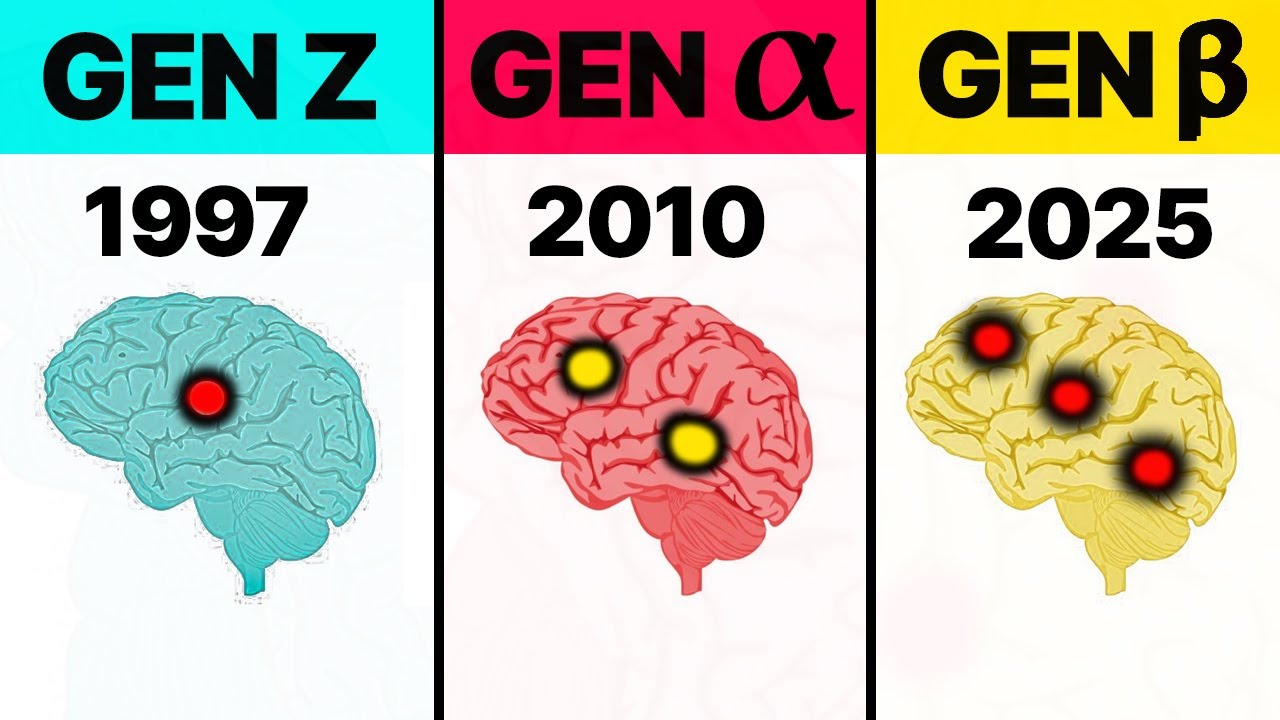
Are The Newest Generations DOOMED? Mental Health Issues Faced By Gen Z vs Gen Alpha vs Gen Beta

Kagan Strategies

Intergenerational Marketing | Oleh Penulis Marketing 4.0, 5.0, dan 6.0 - ANALISIS #63
5.0 / 5 (0 votes)
