How to Improve Active Listening for Call Center Agents
Summary
TLDRThis video teaches call center agents the art of active listening, emphasizing the importance of both verbal and nonverbal cues. Focusing on phone interactions, it explores paralanguage—tone, pitch, volume, and intonation—as a key tool to understand customers' emotions. Through practical examples like sighs, shouting, hesitations, and sarcastic responses, viewers learn to interpret impatience, frustration, happiness, or sarcasm. The video also covers non-lexical sounds and strategies for taking notes, clarifying issues, empathizing, and responding appropriately. By mastering these techniques, agents can resolve conflicts efficiently, build rapport, and enhance customer satisfaction, ultimately improving performance and survey scores.
Takeaways
- 😀 Active listening helps clarify confusion, resolve conflicts, build rapport, and improve performance metrics like survey scores and bonuses.
- 😀 Speaking a language does not automatically make someone good at active listening; it requires understanding both verbal and nonverbal cues.
- 😀 Paralanguage refers to nonverbal elements of speech such as tone, pitch, volume, and emphasis, and it helps convey emotions and modify meaning.
- 😀 Nonverbal cues in phone conversations include sighing, shouting, hesitation, and tone of voice, which all signal the customer’s emotional state.
- 😀 Shouting typically signals urgency or anger, while hesitation indicates uncertainty or confusion; responding appropriately depends on recognizing these cues.
- 😀 Non-lexical conversational sounds (like 'mm-hmm', 'oh', 'hmm') serve as emotional signals or indicators of understanding and empathy.
- 😀 Paying attention to pitch, pace, and tone helps detect sarcasm and true emotion, which allows for more accurate responses to customers.
- 😀 Audiobooks, especially novels, can improve active listening skills by training your ear to detect emotional subtleties in speech.
- 😀 Effective note-taking during calls (e.g., keywords like 'lost item', 'replacement needed') helps you focus on the customer’s needs and follow through on action steps.
- 😀 Responding to customers involves clarifying misunderstandings, empathizing with their frustrations, and acknowledging small talk, depending on the situation.
- 😀 Active listening isn't just about hearing—it's about understanding the emotional undertone of the message and responding accordingly.
Q & A
What is active listening and why is it important for call center agents?
-Active listening is the skill of fully focusing on the speaker, understanding both verbal and nonverbal cues, and responding appropriately. It is important for call center agents because it helps clarify confusion, resolve conflicts, build rapport, and improve survey scores and performance bonuses.
Does knowing a language automatically make someone an active listener?
-No, understanding a language alone does not make someone an active listener. Active listening also involves recognizing nonverbal communication and paralanguage to interpret emotions and intentions.
What is paralanguage and how does it affect communication?
-Paralanguage refers to the nonverbal elements of speech, such as pitch, pace, volume, and intonation, which modify meaning and convey emotion. It affects communication by showing how something is said, not just what is said, which can reveal a customer’s emotional state.
How can sighing during a phone conversation inform an agent's approach?
-Sighing usually indicates that the customer is frustrated, annoyed, or impatient. Recognizing this cue allows the agent to adjust their approach by speeding up the conversation, using fewer words, and avoiding unnecessary small talk.
Why should call center agents pay attention to shouting versus hesitant speech?
-Shouting and hesitant speech convey different emotional states. A shouting customer has less patience and may require immediate attention, while a hesitant customer may need more guidance. Understanding these differences helps prioritize responses effectively.
What are non-lexical conversational sounds and how are they used?
-Non-lexical sounds are words or noises without specific dictionary meaning, used to convey emotions or comprehension, such as 'uh-huh,' 'hmm,' or 'oh.' They signal to the speaker that the listener is paying attention and understanding, similar to nodding in face-to-face conversation.
How can pitch and pace indicate a customer’s emotional state?
-High pitch and fast pace generally indicate excitement or happiness, while flat pitch and slow pace may indicate sarcasm, dissatisfaction, or frustration. Recognizing these cues helps agents tailor their responses appropriately.
What strategies can agents use to improve their active listening skills?
-Agents can improve active listening by taking notes during conversations, asking productive questions, empathizing with customers, acknowledging small talk, and practicing by listening to audiobooks to detect emotional subtleties in voices.
Why is taking notes during a call important for active listening?
-Taking notes helps agents remember key points, avoid asking customers to repeat themselves, and organize steps to reach a resolution efficiently. Notes also allow agents to ask clarifying questions and respond accurately.
How should agents respond to demonstrate active listening?
-Agents should respond by asking clarifying questions if needed, empathizing with the customer’s frustration, acknowledging their emotions, and engaging appropriately with small talk when it occurs. This shows that the agent understands both the verbal and nonverbal cues.
What role do mirror neurons play in understanding customer emotions?
-Mirror neurons help humans naturally recognize and empathize with others' emotions. In active listening, they enable agents to sense the emotional state of customers through vocal cues and respond in a way that reflects understanding and empathy.
Outlines

This section is available to paid users only. Please upgrade to access this part.
Upgrade NowMindmap

This section is available to paid users only. Please upgrade to access this part.
Upgrade NowKeywords

This section is available to paid users only. Please upgrade to access this part.
Upgrade NowHighlights

This section is available to paid users only. Please upgrade to access this part.
Upgrade NowTranscripts

This section is available to paid users only. Please upgrade to access this part.
Upgrade NowBrowse More Related Video

Tips Berkomunikasi Yang Efektif Untuk Menjadi Pribadi Lebih Baik || Materi BK Kelas 11 Semester 2
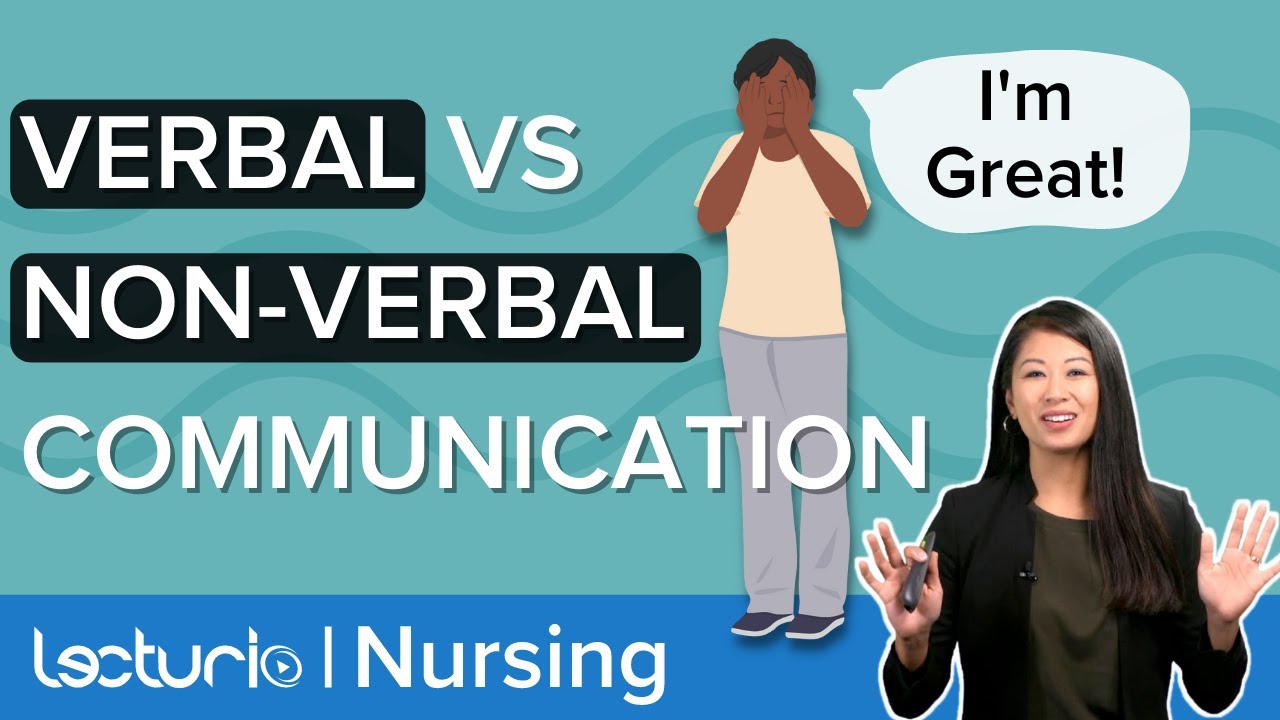
VERBAL VS NON-VERBAL Communication | Therapeutic Communication |Lecturio Nursing Fundamentals/Theory
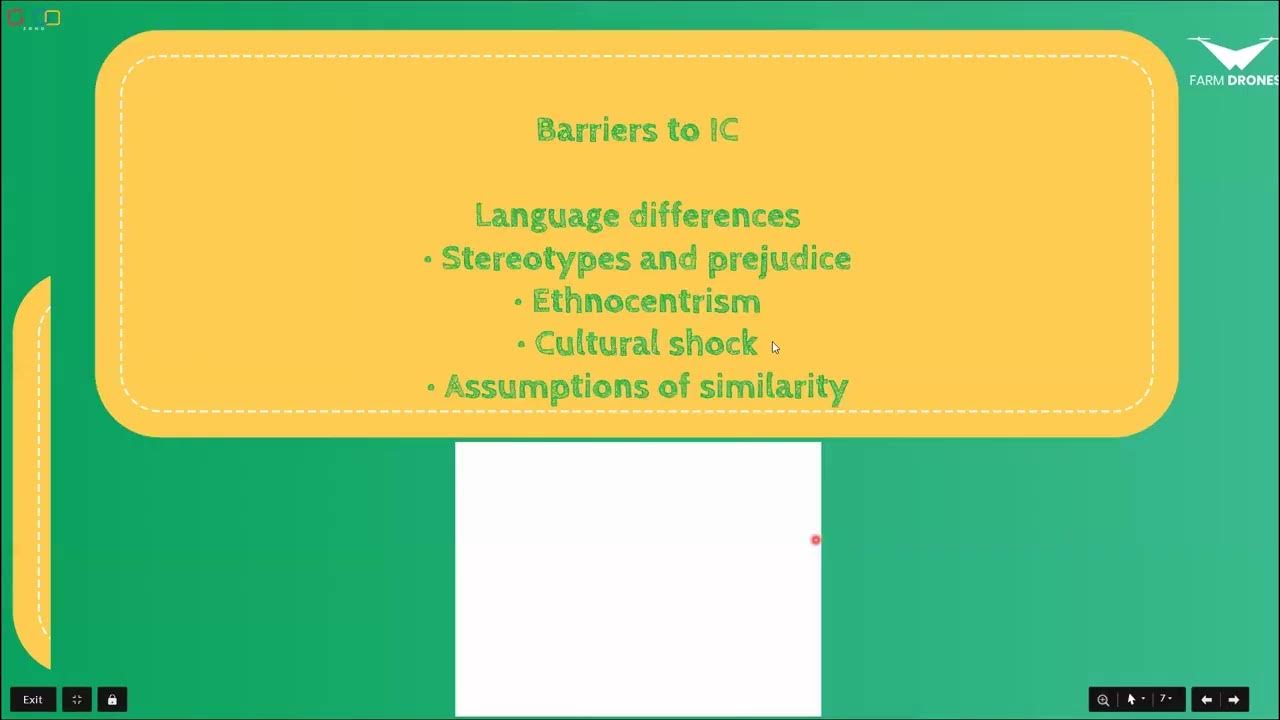
On IC for Grade 11 Love
What are Communication Skills? | Importance, Types and Ways to Improve it

Verbal and Nonverbal Communication

Active Listening Skills
5.0 / 5 (0 votes)
