Kesultanan Gowa Tallo & Makassar vs VOC | Perkembangan Islam di Indonesia | Part 7
Summary
TLDRThis video explores the history and development of the Islamic Sultanates in eastern Indonesia, focusing on the Gowa-Tallo Sultanate, also known as the Makassar Sultanate. It explains the kingdom's dual structure, the first rulers to embrace Islam, and the significant reigns of Sultan Alauddin, Sultan Malik Said, and Sultan Hasanuddin. The video highlights Makassar's strategic role in regional trade, Sultan Hasanuddin's defense against the Dutch East India Company (VOC), and the resulting Treaty of Bongaya. Viewers gain insights into the sultanate's political, economic, and cultural significance, as well as its interactions with local kingdoms and European colonial powers.
Takeaways
- 😀 The video discusses the spread and development of Islam in Indonesia, focusing specifically on the Sultanate of Gowa Tallo (Makassar) in southern Sulawesi.
- 😀 Gowa Tallo was considered a 'twin kingdom' consisting of the Kingdom of Gowa and Tallo, with the Sultan of Gowa as the highest ruler and the Raja of Tallo serving as the Prime Minister.
- 😀 The Sultanate of Gowa Tallo is also known as the Sultanate of Makassar, named after the predominant ethnic group of the region, the Makassar people.
- 😀 The Sultanate was strategically located at the southern tip of Sulawesi, along the Makassar Strait, linking Sulawesi and Kalimantan.
- 😀 The first ruler of Gowa Tallo to embrace Islam was Sultan Alauddin, who is also known as Daeng Manradia.
- 😀 After Sultan Alauddin, his son Sultan Malik as-Said took over the throne and continued the Islamic expansion in the region.
- 😀 Sultan Hasanuddin, the successor of Sultan Malik as-Said, transformed Makassar into a major power in southern Sulawesi, promoting free trade in the region.
- 😀 The VOC (Dutch East India Company) sought to monopolize the trade in Makassar's port, which was a key trade hub connecting the eastern and western parts of Indonesia.
- 😀 Sultan Hasanuddin resisted VOC’s monopoly request, leading to the Makassar War (1660-1667), during which the VOC faced fierce resistance but ultimately won.
- 😀 After the Makassar War, the 1667 Bongaya Treaty was signed, granting VOC the right to monopolize Makassar's trade, establishing Fort Rotterdam, and recognizing Arung Palakka as the ruler of Bone, which had been a subject of Makassar’s rule.
Q & A
What is the Kesultanan Gowa-Tallo and why is it also called Kesultanan Makassar?
-Kesultanan Gowa-Tallo, also known as Kesultanan Makassar, was a prominent Islamic kingdom in southern Sulawesi. It is called Gowa-Tallo because it was originally two allied kingdoms—Gowa, ruled by the Raja Gowa, and Tallo, ruled by the Raja Tallo as patih or administrator. The term Makassar refers to the dominant ethnic group in the region.
Where is Kesultanan Gowa-Tallo located geographically?
-It is located in the southern part of the Sulawesi peninsula, along the Makassar Strait, which connects Sulawesi with Kalimantan. This strategic location made it an important hub for trade between eastern and western Indonesia.
Who was the first ruler of Gowa-Tallo to convert to Islam?
-The first ruler to embrace Islam was Sultan Alauddin, also known as Daeng Manradja. His conversion marked the beginning of the Islamic influence in the kingdom.
How did Islam spread in the southern Sulawesi region?
-Islam spread through the efforts of an ulama from Minangkabau named Datuk Ribandang, who introduced Islamic teachings to the existing kingdoms that initially followed local beliefs.
Which rulers contributed to the growth of the kingdom after Sultan Alauddin?
-Sultan Malik Said, the son of Sultan Alauddin, continued the kingdom's development. Later, Sultan Hasanuddin further strengthened Makassar, transforming it into the largest kingdom in southern Sulawesi.
What was the trade policy implemented by Sultan Hasanuddin in Makassar?
-Sultan Hasanuddin implemented a free trade policy, allowing merchants from Asia and Europe to trade without restriction. This was guided by the Bugis-Makassar maritime law, Pakbalue, which emphasized open trade.
Why did the VOC want to control Makassar's trade, and how did Sultan Hasanuddin respond?
-The VOC wanted to monopolize Makassar's trade due to its strategic location as a gateway between western and eastern Indonesia. Sultan Hasanuddin rejected this demand to preserve free trade, leading to conflicts with the VOC.
What was the Perang Makassar, and when did it occur?
-Perang Makassar was the war between Kesultanan Makassar, led by Sultan Hasanuddin, and the VOC, which took place from 1660 to 1667. It was sparked by the VOC’s attempt to monopolize trade in Makassar.
Who was Arung Palakka, and what role did he play in the conflict?
-Arung Palakka was a prince from the Bone kingdom, which was under Makassar's control. He allied with the VOC to defeat Sultan Hasanuddin, hoping that Bone would gain independence from Makassar.
What were the main outcomes of the Perjanjian Bongaya in 1667?
-The Perjanjian Bongaya forced Makassar to allow VOC trade monopoly, permitted the construction of Fort Rotterdam, granted independence to Bone, and made Arung Palakka the king of Bone. Despite these setbacks, Makassar’s struggle continued under Sultan Hasanuddin’s son, Mappasomba.
Why was Sultan Hasanuddin called the 'Ayam Jantan dari Timur' (Rooster of the East) by the VOC?
-The VOC gave Sultan Hasanuddin this title due to his bravery, perseverance, and strategic skill in defending Makassar against the VOC forces during the war.
How did the strategic location of Makassar influence its historical significance?
-Makassar’s location along the Makassar Strait made it a crucial trade hub connecting eastern and western Indonesia. It attracted merchants from Java, Sumatra, Ternate, Tidore, and even Europe, giving the kingdom both economic and political importance.
Outlines

Этот раздел доступен только подписчикам платных тарифов. Пожалуйста, перейдите на платный тариф для доступа.
Перейти на платный тарифMindmap

Этот раздел доступен только подписчикам платных тарифов. Пожалуйста, перейдите на платный тариф для доступа.
Перейти на платный тарифKeywords

Этот раздел доступен только подписчикам платных тарифов. Пожалуйста, перейдите на платный тариф для доступа.
Перейти на платный тарифHighlights

Этот раздел доступен только подписчикам платных тарифов. Пожалуйста, перейдите на платный тариф для доступа.
Перейти на платный тарифTranscripts

Этот раздел доступен только подписчикам платных тарифов. Пожалуйста, перейдите на платный тариф для доступа.
Перейти на платный тарифПосмотреть больше похожих видео

IPS Kelas 7 Semester 2- Kerajaan-Kerajaan Islam di Indonesia Part 2

Ensiklopedia Indonesia | Kepahlawanan Si Ayam Jantan dari Timur Sultan Hasanuddin
Kerajaan-Kerajaan Maritim di Indonesia Pada Masa Islam | KD 3.2 Sejarah Peminatan XI

Kesultanan Gowa Tallo | Fullversion| Kesultanan Nusantara
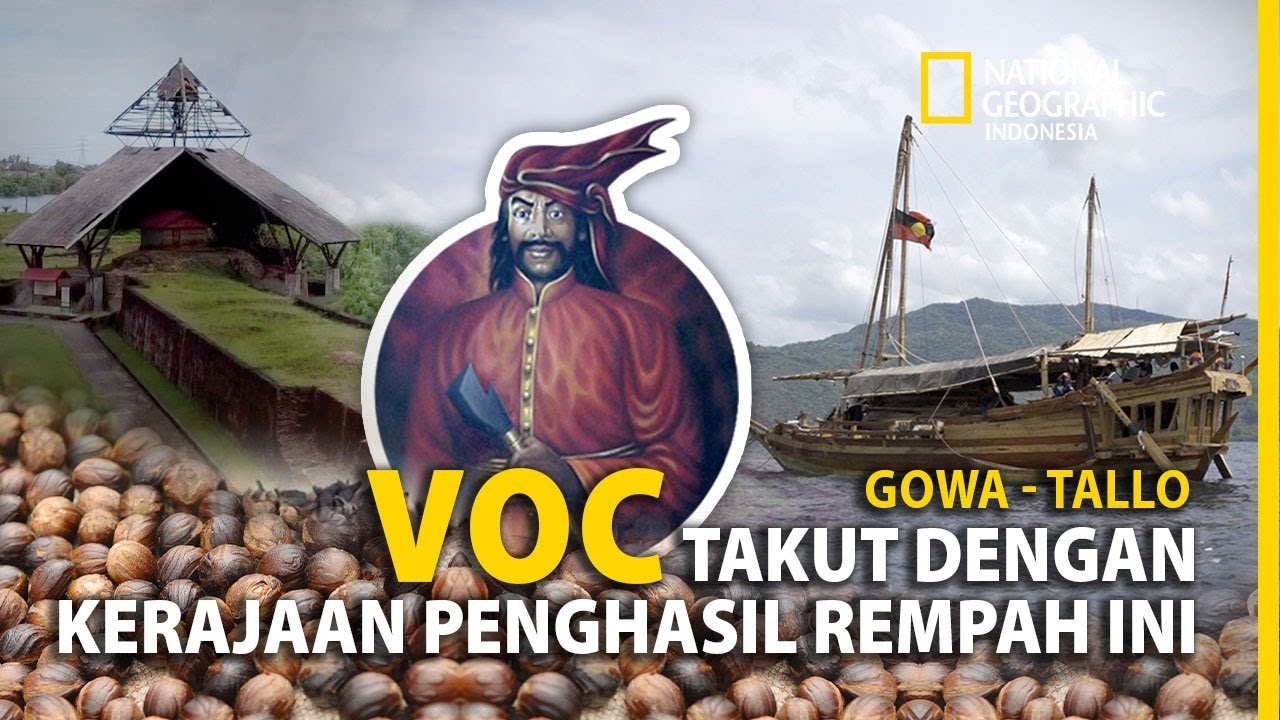
Sejarah Kerajaan Gowa Tallo, Kerajaan Maritim Islam 'Super Power' di Timur Nusantara

Kehidupan Masyarakat Pada Masa Islam - Video IPS Kelas 7
5.0 / 5 (0 votes)

