Panca Sradha | Inilah Keyakinan Agama Hindu Yang Menjadi Dasar Untuk Menjalani Kehidupan
Summary
TLDRThe script discusses 'Panca Sradha,' the five core beliefs in Hinduism, which guide practitioners in their spiritual journey. These beliefs include faith in Brahman (the one Supreme God), Atman (the soul or spirit), Karma Phala (the law of cause and effect), Punarbhawa (reincarnation), and Moksha (liberation or unity with Brahman). The presenter explains each belief, highlighting its significance in Hindu life, and encourages the pursuit of virtue and Dharma (righteous living) as a path to enlightenment. The presentation concludes with a wise quote emphasizing the importance of learning and self-awareness.
Takeaways
- 😀 Panca Sradha refers to the five key beliefs that guide Hindus in their spiritual journey.
- 😀 Brahman represents the belief in one supreme God, who is the creator and sustainer of the universe.
- 😀 Atman is the belief in the soul or divine essence within each living being, which is eternal and indestructible.
- 😀 Karmaphala refers to the law of karma, where every action has consequences, either in this life or the next.
- 😀 Punarbhawa, or reincarnation, is the cycle of birth, death, and rebirth, driven by karma.
- 😀 Moksha is the ultimate goal of liberation, where the soul reunites with Brahman and attains eternal peace.
- 😀 Brahman has three main forms: Nirguna (formless), Saguna (manifested as gods), and Sivatma (present in all living beings).
- 😀 The Bhagavad Gita explains that Atman is indestructible, unchanging, and beyond physical harm.
- 😀 Karma is divided into three types: Sancita (accumulated karma from past lives), Prarabda (actions and results in this life), and Kriyamana (current actions affecting the future).
- 😀 The belief in Moksha includes the idea of spiritual freedom from worldly attachments and the realization of the highest truth.
Q & A
What is the meaning of 'Panca Sradha' in Hinduism?
-Panca Sradha refers to the five core beliefs or principles that form the foundation of Hindu life. These beliefs guide individuals in their spiritual and worldly actions, leading to self-realization and liberation.
What are the five components of Panca Sradha?
-The five components of Panca Sradha are: 1) Brahman (belief in the Supreme God), 2) Atman (belief in the soul), 3) Karma Phala (belief in the law of cause and effect), 4) Punarbhawa or Samsara (belief in reincarnation), and 5) Moksha (belief in liberation).
How is Brahman defined in Hinduism?
-Brahman is the belief in a singular, all-encompassing God who is the creator and sustainer of the universe. It is both formless and can manifest in various divine forms (e.g., Brahma, Vishnu, Shiva). Brahman is the source and end of all life and existence.
What are the three qualities of God described in Tripurusa?
-The three qualities of God in Tripurusa are: 1) *Prama Siwa* (God is formless and cannot be imagined), 2) *Sadasiwa* (God manifests through divine attributes and powers, such as the gods Brahma, Vishnu, Shiva, etc.), and 3) *Sewatma* (God takes form as the soul or Atman in all living beings).
What does the term Atman refer to in Hinduism?
-Atman refers to the eternal soul or the divine spark within all living beings. It is a part of Brahman, and is indestructible, unchanging, and free from death. The Atman is eternal and exists beyond physical existence.
What are the key attributes of Atman according to the Bhagavad Gita?
-The key attributes of Atman are: 1) It is indestructible (not wounded by weapons, not burned by fire, etc.), 2) It is eternal and ever-present, 3) It does not change or decay, 4) It is not bound by gender or physical form, 5) It remains unaffected by the material world.
How does Karma Phala influence a person's life according to Hindu belief?
-Karma Phala is the law of cause and effect. It means that the actions performed in this life or past lives determine the outcomes one experiences. Good actions lead to positive results, while bad actions result in negative consequences.
What are the three types of Karma Phala?
-The three types of Karma Phala are: 1) *Sanchita Karma Phala* (results from past actions yet to be experienced), 2) *Prarabdha Karma Phala* (the karma currently being experienced in this life), and 3) *Kriyamana Karma Phala* (karma created by current actions, which will affect future lives).
What is the concept of Punarbhawa or Samsara in Hinduism?
-Punarbhawa or Samsara refers to the cycle of reincarnation, where the soul (Atman) is reborn into different forms of life based on past actions (karma). This cycle continues until the soul breaks free and achieves Moksha.
What is Moksha, and how can it be attained?
-Moksha is the ultimate goal in Hinduism, representing liberation from the cycle of birth, death, and rebirth. It is achieved when the soul (Atman) merges with Brahman, attaining freedom from all worldly desires and attachments. Moksha can be attained through righteous living, self-discipline, and following the path of Dharma.
What are the different types or levels of Moksha?
-The different types of Moksha include: 1) *Samsara Moksha* (freedom attained during life), 2) *Jeevan Mukti* (attained after life, like the case of divine incarnations such as Krishna), 3) *Salokya Moksha* (freedom attained by realizing ultimate unity with God), and 4) *Sayujya Moksha* (highest form of Moksha, where the individual soul is united with Brahman permanently).
Outlines

Этот раздел доступен только подписчикам платных тарифов. Пожалуйста, перейдите на платный тариф для доступа.
Перейти на платный тарифMindmap

Этот раздел доступен только подписчикам платных тарифов. Пожалуйста, перейдите на платный тариф для доступа.
Перейти на платный тарифKeywords

Этот раздел доступен только подписчикам платных тарифов. Пожалуйста, перейдите на платный тариф для доступа.
Перейти на платный тарифHighlights

Этот раздел доступен только подписчикам платных тарифов. Пожалуйста, перейдите на платный тариф для доступа.
Перейти на платный тарифTranscripts

Этот раздел доступен только подписчикам платных тарифов. Пожалуйста, перейдите на платный тариф для доступа.
Перейти на платный тариф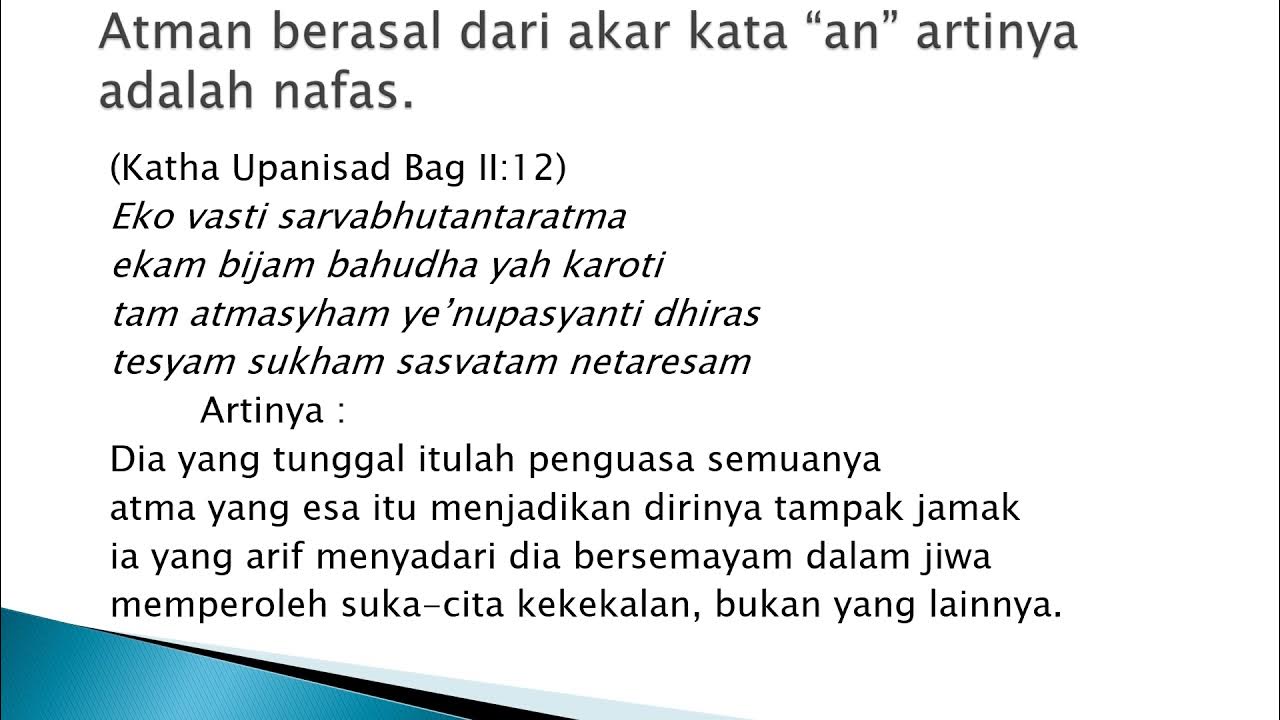


5.0 / 5 (0 votes)

