Penerapan Teori Penawaran
Summary
TLDRThe video provides a comprehensive lesson on the theory and application of supply in economics. It explains key concepts such as the quantity supplied, determinants of supply, and the distinction between movements along a supply curve versus shifts caused by factors like input prices, technology, and the price of related goods. The lesson also covers supply schedules, elasticity of supply, and managerial decisions in response to market changes. Using examples like HP Xiaomi, it demonstrates how firms adjust supply in response to price changes, competitor actions, and production costs, emphasizing strategic decision-making and the practical use of supply theory in business contexts.
Takeaways
- 😀 The quantity supplied refers to the amount of a commodity a company wants to sell, which may differ from the quantity actually sold.
- 😀 The quantity exchanged occurs when the quantity sold equals the quantity bought by consumers.
- 😀 Key factors determining quantity supplied include the commodity price, production costs, prices of other goods (substitutes or complements), company objectives, and technology level.
- 😀 The law of supply states that higher prices generally lead to a higher quantity supplied, resulting in an upward-sloping supply curve.
- 😀 Supply can be represented either through a supply curve or a supply schedule (table).
- 😀 Movement along the supply curve is caused solely by changes in the commodity's price, while shifts of the curve are caused by changes in other factors.
- 😀 Shifts in supply can occur due to changes in input prices, technology improvements, changes in company goals, or changes in the prices of related goods.
- 😀 Price elasticity of supply measures the responsiveness of quantity supplied to changes in price, expressed as a percentage.
- 😀 Managerial decisions regarding supply should consider technology innovation, competitor prices, input markets, and market type (perfect competition or monopoly).
- 😀 Case example: For HP Xiaomi, an increase in the price of substitute products can shift the supply curve to the right, increasing the quantity supplied at the same price.
Q & A
What is the definition of 'quantity supplied' according to the video script?
-Quantity supplied is the amount of a commodity that a company is willing to sell, which may not necessarily match the quantity demanded by consumers.
What are the five main factors that determine the quantity supplied?
-The five factors are: 1) price of the commodity, 2) price of production factors, 3) price of other commodities (substitutes or complements), 4) company objectives (profit maximization), and 5) level of technology.
How does the law of supply describe the relationship between price and quantity supplied?
-The law of supply states that, generally, the higher the price of a commodity, the greater the quantity supplied by producers, indicating a positive relationship.
What is the difference between movement along the supply curve and a shift in the supply curve?
-Movement along the supply curve occurs due to a change in the commodity's own price, while a shift in the supply curve happens due to changes in non-price factors such as technology, input costs, or company objectives.
How does an increase in the price of production inputs affect the supply curve?
-An increase in the price of production inputs generally decreases supply, causing the supply curve to shift to the left.
How does an improvement in technology affect supply?
-Technological improvements typically increase supply, shifting the supply curve to the right, because production becomes more efficient.
What is price elasticity of supply and how is it calculated?
-Price elasticity of supply measures the responsiveness of quantity supplied to a change in price. It is calculated as the percentage change in quantity supplied divided by the percentage change in price.
What does it mean if the elasticity of supply is less than 1?
-If the elasticity of supply is less than 1, supply is inelastic, meaning the quantity supplied changes by a smaller percentage than the change in price.
How should managerial decisions be adjusted if the supply of a company's product is price elastic?
-If supply is price elastic, a company should increase the quantity supplied significantly when prices rise to maximize revenue and maintain competitiveness.
What happens to the supply of a product when the price of a substitute product increases?
-When the price of a substitute product increases, the supply of the original product may increase as the company seeks to offer more at the same price, resulting in a rightward shift of the supply curve.
How do monopoly market conditions affect supply decisions compared to perfect competition?
-In a monopoly, a company faces less concern over competitors and can maintain higher prices without significantly changing quantity supplied, whereas in perfect competition, companies respond directly to price changes to maximize profits.
Outlines

このセクションは有料ユーザー限定です。 アクセスするには、アップグレードをお願いします。
今すぐアップグレードMindmap

このセクションは有料ユーザー限定です。 アクセスするには、アップグレードをお願いします。
今すぐアップグレードKeywords

このセクションは有料ユーザー限定です。 アクセスするには、アップグレードをお願いします。
今すぐアップグレードHighlights

このセクションは有料ユーザー限定です。 アクセスするには、アップグレードをお願いします。
今すぐアップグレードTranscripts

このセクションは有料ユーザー限定です。 アクセスするには、アップグレードをお願いします。
今すぐアップグレード関連動画をさらに表示

Top Economic Theories Explained in 24 Minutes (A Crash Course)

ELASTISITAS PERMINTAAN DAN PENAWARAN

Basic Concepts of Economics - Needs, Wants, Demand, Supply, Market, Utility, Price, Value, GDP, GNP

Every Major Economic Theory Explained in 20 Minutes

[UFMS Digital] Fundamentos da Economia - Módulo 3
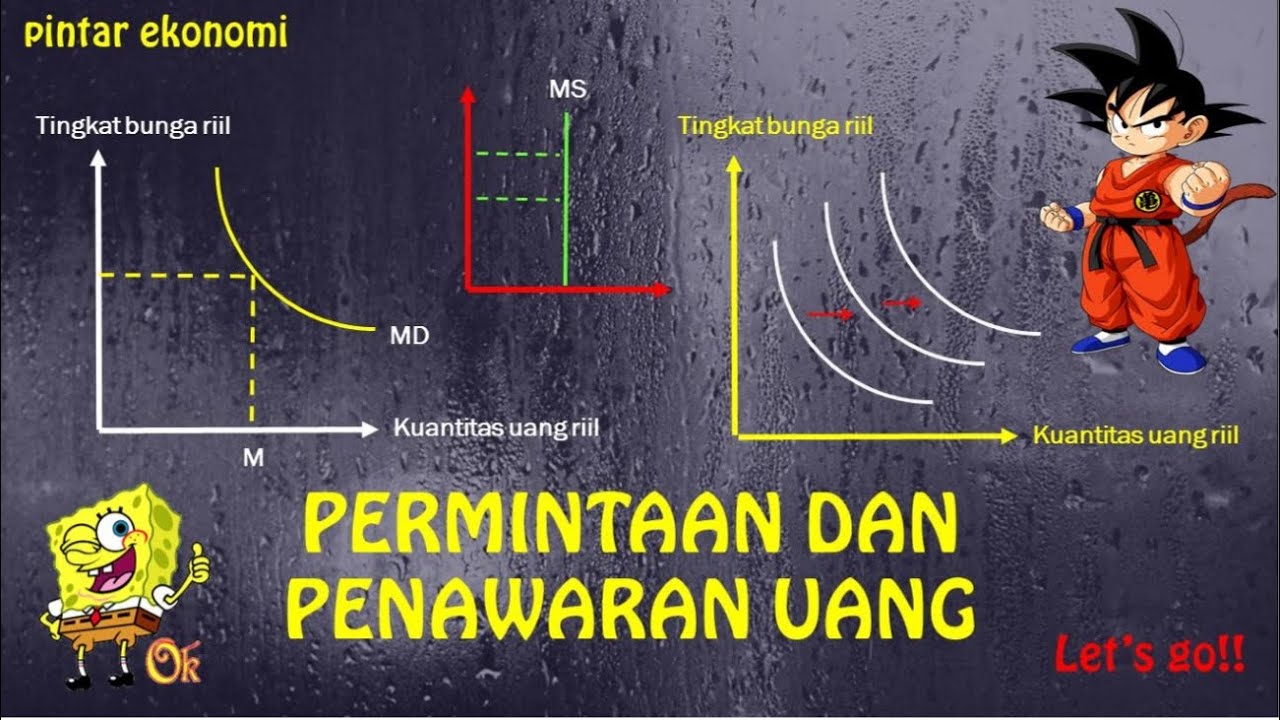
Permintaan dan Penawaran Uang | Ekonomi SMA Kelas 11
5.0 / 5 (0 votes)

