Những lỗi thường gặp trong quá trình phát triển của trẻ
Summary
TLDRThe transcript delves into the developmental stages of a child, focusing on language acquisition and the factors influencing speech development. It highlights the importance of the first two years in forming a child's ability to speak, stressing the role of sensory development, including touch, sound, and sight. The script also explores causes of speech delays and autism, mentioning genetic, environmental, and emotional factors. It emphasizes how early childhood experiences, such as inadequate stimulation or sensory deprivation, can disrupt the natural developmental process, leading to issues like speech delays or behavioral challenges.
Takeaways
- 😀 Early childhood development is a complex process, where sensory and emotional experiences shape the growth of a child, particularly in language acquisition.
- 😀 The first two years are crucial for language development, as the brain processes auditory information and stores language data in neurons.
- 😀 Delayed speech can be a result of insufficient language input during the early years, impacting later development.
- 😀 Autism spectrum disorder (ASD) is a developmental condition with multiple potential causes, including genetic factors, prenatal influences, and environmental conditions.
- 😀 The neurological underpinnings of autism involve damaged or underdeveloped connections between brain regions, leading to difficulties in focus and communication.
- 😀 A lack of sensory stimulation and emotional connection during the early years can negatively impact brain development and contribute to speech delays or autism.
- 😀 Parents and caregivers play a vital role in providing language stimulation and emotional support during critical developmental windows.
- 😀 Technological distractions, like smartphones, can hinder a child’s language development if they replace meaningful human interaction.
- 😀 Autistic children often have difficulty processing sensory information, which leads to behavioral challenges and a lack of focus.
- 😀 The development of emotions and language must follow a specific order: first sensory development, then auditory processing, followed by visual and emotional development.
- 😀 External environmental factors like maternal stress during pregnancy can interfere with the child’s sensory processing, potentially leading to developmental challenges.
Q & A
What is the main focus of the script?
-The script discusses the importance of early childhood development, focusing on language acquisition, the causes of speech delays, and how early developmental processes impact later behaviors, including the emergence of conditions like autism.
What is the 'golden window' in early childhood development?
-The 'golden window' refers to the critical period in the first four years of a child's life, with a specific focus on the first two years. This is the period when a child’s brain is most receptive to language input and developmental processes. If these processes are not supported, it can lead to speech delays or other developmental issues.
What happens if a child does not receive enough language input during their early years?
-If a child does not receive enough language input during the first two years, it can delay their ability to speak. The first two years are crucial for language data input, and any deficiencies can affect the child's ability to develop normal communication skills.
How does speech delay potentially lead to autism?
-Speech delay can sometimes lead to autism because both share underlying developmental issues. While there are multiple causes of autism, a lack of proper communication development can contribute to the onset of symptoms. Autism is believed to be linked to neurological issues affecting brain structure and connectivity.
What are some of the causes of speech delays and autism mentioned in the script?
-The script lists several causes of speech delays and autism, including genetic factors, prenatal trauma, early childhood neglect, and insufficient interaction or communication between parents and children. There is also a mention of environmental factors like excessive screen time and lack of physical activity.
Why is early childhood movement and physical activity important?
-Physical activity is essential for the development of the nervous system, including the brain. When children are not encouraged to engage in physical activities like crawling, walking, or exercising, their neural connections may not develop properly, potentially leading to developmental delays or even conditions like obesity.
How does the development of the nervous system in children work?
-The development of the nervous system starts with the spinal cord and gradually forms the brain. The system matures from the back to the front, with critical stages occurring during early childhood. Proper stimulation and physical movement are essential for completing these developmental stages.
What role does the emotional development of a child play in their language acquisition?
-Emotional development is closely linked to language acquisition. If a child’s sensory system, which is the foundation for emotional development, is damaged or undeveloped, it can lead to emotional and behavioral issues. These emotional imbalances can hinder the child’s ability to process language and develop communication skills effectively.
How do the first stages of human development in the womb influence later abilities?
-The early stages of human development in the womb are crucial for sensory and emotional growth. A fetus develops sensory organs before birth, and these organs play an important role in language acquisition after birth. Stress during pregnancy, inadequate sensory input, or trauma can negatively affect this developmental process.
What is the impact of parental involvement in a child's early development?
-Parental involvement is critical for a child's development. Engaging in verbal communication and bonding with a child can significantly influence their speech and emotional growth. Neglecting to interact with the child during the early years, especially through language, can hinder the development of speech, emotional regulation, and even lead to later behavioral problems like autism.
Outlines

このセクションは有料ユーザー限定です。 アクセスするには、アップグレードをお願いします。
今すぐアップグレードMindmap

このセクションは有料ユーザー限定です。 アクセスするには、アップグレードをお願いします。
今すぐアップグレードKeywords

このセクションは有料ユーザー限定です。 アクセスするには、アップグレードをお願いします。
今すぐアップグレードHighlights

このセクションは有料ユーザー限定です。 アクセスするには、アップグレードをお願いします。
今すぐアップグレードTranscripts

このセクションは有料ユーザー限定です。 アクセスするには、アップグレードをお願いします。
今すぐアップグレード関連動画をさらに表示

The difference and similarities between first language and second language acquisition

Perkembangan Masa Kanak-kanak Awal (2-6 Tahun)

Video Kuliah (4) - Fase Perkembangan Bahasa Anak Usia Dini dan Faktor yang Mempengaruhi

linguistic quiz s2 group 5 and 1
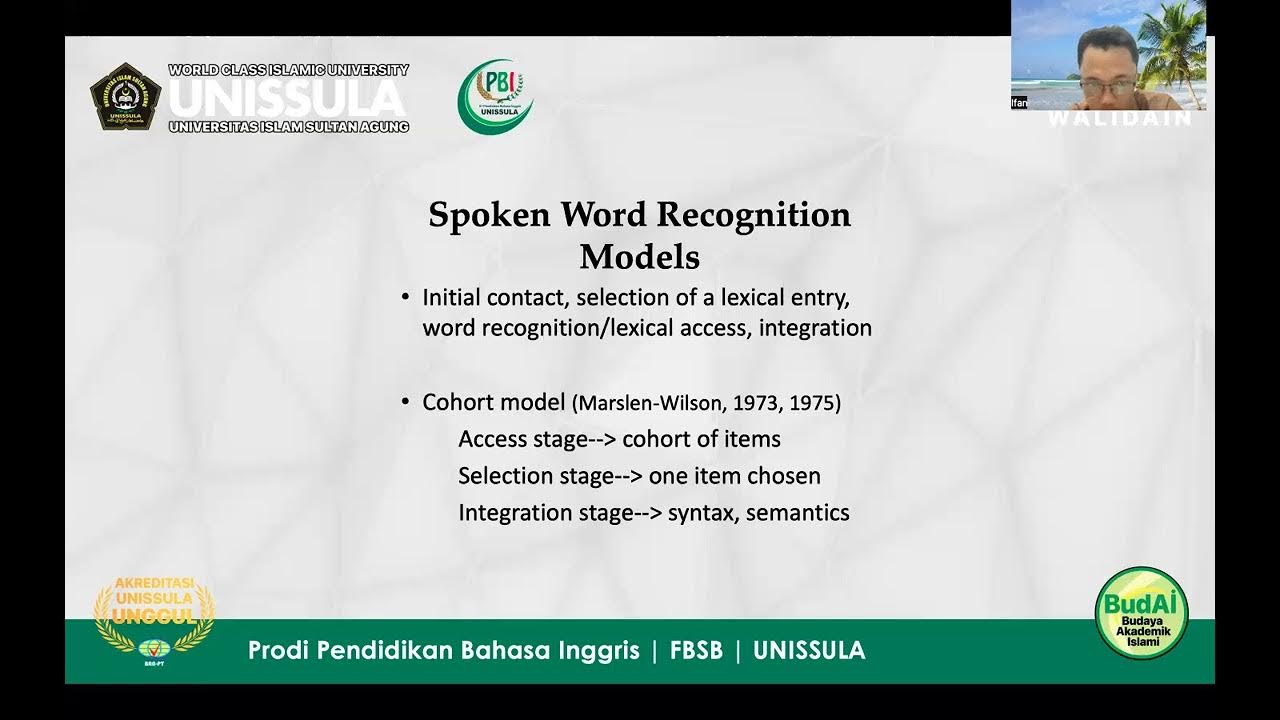
TEAL_2 Understanding Language Acquisition
Video Perkembangan Kognitif
5.0 / 5 (0 votes)

