12. HDL Metabolism and Reverse Transport of Cholesterol
Summary
TLDRThe video discusses the metabolism of lipids, focusing on the transport and role of lipoproteins, cholesterol, and fatty acids in the human body. It explains how lipids are carried through the bloodstream, the function of transport proteins, and the liver's critical role in metabolism. The script emphasizes polyunsaturated fatty acids, HDL (good cholesterol), and the importance of maintaining healthy lipid levels. It also touches on related metabolic processes, deficiency disorders, and practical applications for supporting lipid transport and overall health. The content is aimed at providing viewers with foundational knowledge of lipid metabolism and its significance in human physiology.
Takeaways
- 🧬 Lipids cannot travel freely in blood because they are not water-soluble, so they require transport through lipoproteins.
- 🚚 Lipoproteins act as transport complexes that carry cholesterol and fatty acids between the liver, tissues, and other organs.
- 🏥 The liver plays a central role in lipid metabolism, including the synthesis and processing of cholesterol and lipoproteins.
- 💡 Cholesterol exists in different forms, including free cholesterol and cholesterol esters.
- 🩸 Transporter proteins help move lipids and cholesterol through the bloodstream to different tissues.
- ⚖️ HDL (high-density lipoprotein) is referred to as ‘good cholesterol’ because it helps remove excess cholesterol from tissues.
- ⚠️ High levels of harmful cholesterol can contribute to atherosclerosis and cardiovascular diseases.
- 🥑 Polyunsaturated fatty acids are mentioned as important components involved in lipid metabolism and health.
- 🧪 Lipoproteins differ in density and composition depending on their lipid and protein content.
- 🧠 Deficiencies related to alpha lipoproteins and lipid metabolism can lead to metabolic disorders and disease conditions.
- 🔄 Cholesterol transport involves exchange processes between tissues, liver, and blood circulation.
- 📚 The discussion repeatedly emphasizes that lipid metabolism and lipoproteins are important topics for exams and medical studies.
Q & A
What is the primary topic of the video?
-The video primarily discusses lipid metabolism, focusing on the transport, role, and metabolism of cholesterol, fatty acids, and lipoproteins in the human body.
Which lipoproteins are mentioned as important in the script?
-The script mentions alpha-lipoprotein (HDL), which is responsible for transporting cholesterol and protecting the body against cardiovascular diseases.
What role does the liver play in lipid metabolism according to the video?
-The liver is responsible for synthesizing, metabolizing, and distributing cholesterol and fatty acids to different tissues via lipoproteins.
How are fatty acids and cholesterol transported in the body?
-Fatty acids and cholesterol are transported through the bloodstream by specialized transporter proteins and lipoproteins, such as HDL and LDL.
What is the significance of HDL cholesterol mentioned in the transcript?
-HDL cholesterol, often called 'good cholesterol,' helps remove excess cholesterol from tissues and arteries, transporting it back to the liver for metabolism and excretion.
Which disorders or deficiencies are referenced related to lipid metabolism?
-The transcript briefly mentions alpha-lipoprotein deficiency and general issues with cholesterol imbalance, which can lead to metabolic or cardiovascular problems.
What is the role of transport proteins in lipid metabolism?
-Transport proteins facilitate the movement of lipids, including cholesterol and fatty acids, between tissues and organs, ensuring proper cellular function and energy balance.
Why is it important to understand cholesterol transport mechanisms?
-Understanding cholesterol transport is crucial for preventing and managing cardiovascular diseases, as it helps regulate blood lipid levels and maintain vascular health.
What educational recommendations does the video make for viewers?
-The video repeatedly emphasizes subscribing to the channel for more content, and suggests that viewers pay attention to the basic steps and mechanisms of lipid metabolism for academic and health purposes.
How does the video integrate real-world analogies in explaining lipid transport?
-The transcript uses metaphors such as 'transport police' and 'sports complexes' to illustrate how lipoproteins and transporter proteins manage and protect the movement of lipids throughout the body.
What additional nutrients are briefly mentioned in the context of lipid metabolism?
-Vitamin E is mentioned alongside proteins, highlighting its role as an antioxidant that protects lipids from oxidative damage.
Outlines

Cette section est réservée aux utilisateurs payants. Améliorez votre compte pour accéder à cette section.
Améliorer maintenantMindmap

Cette section est réservée aux utilisateurs payants. Améliorez votre compte pour accéder à cette section.
Améliorer maintenantKeywords

Cette section est réservée aux utilisateurs payants. Améliorez votre compte pour accéder à cette section.
Améliorer maintenantHighlights

Cette section est réservée aux utilisateurs payants. Améliorez votre compte pour accéder à cette section.
Améliorer maintenantTranscripts

Cette section est réservée aux utilisateurs payants. Améliorez votre compte pour accéder à cette section.
Améliorer maintenantVoir Plus de Vidéos Connexes
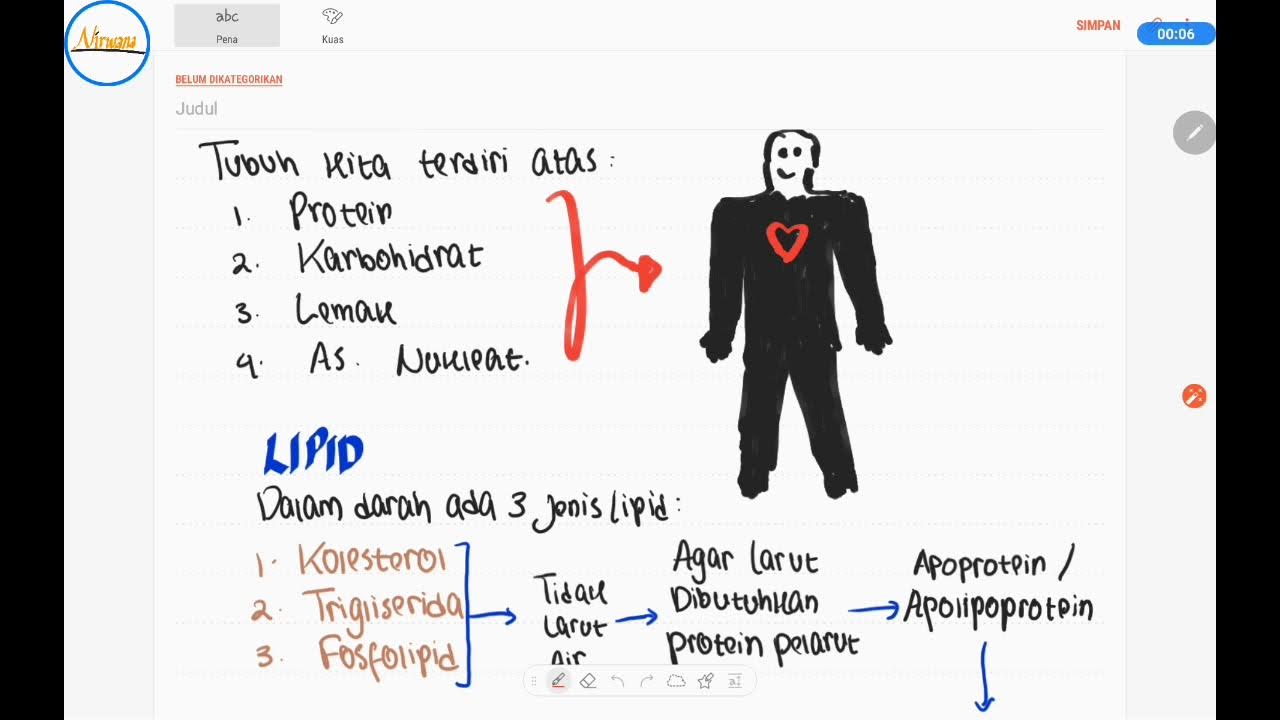
Konsep Dasar Lipid(Lemak) : Kolesterol, Trigliserida, Fosfolipid

Metabolismo dos lipídeos (Jejum e Bem alimentado) - Bioquímica

23: HDL Metabolism | Reverse Cholesterol Transport | Lipid Metabolism | Biochemistry
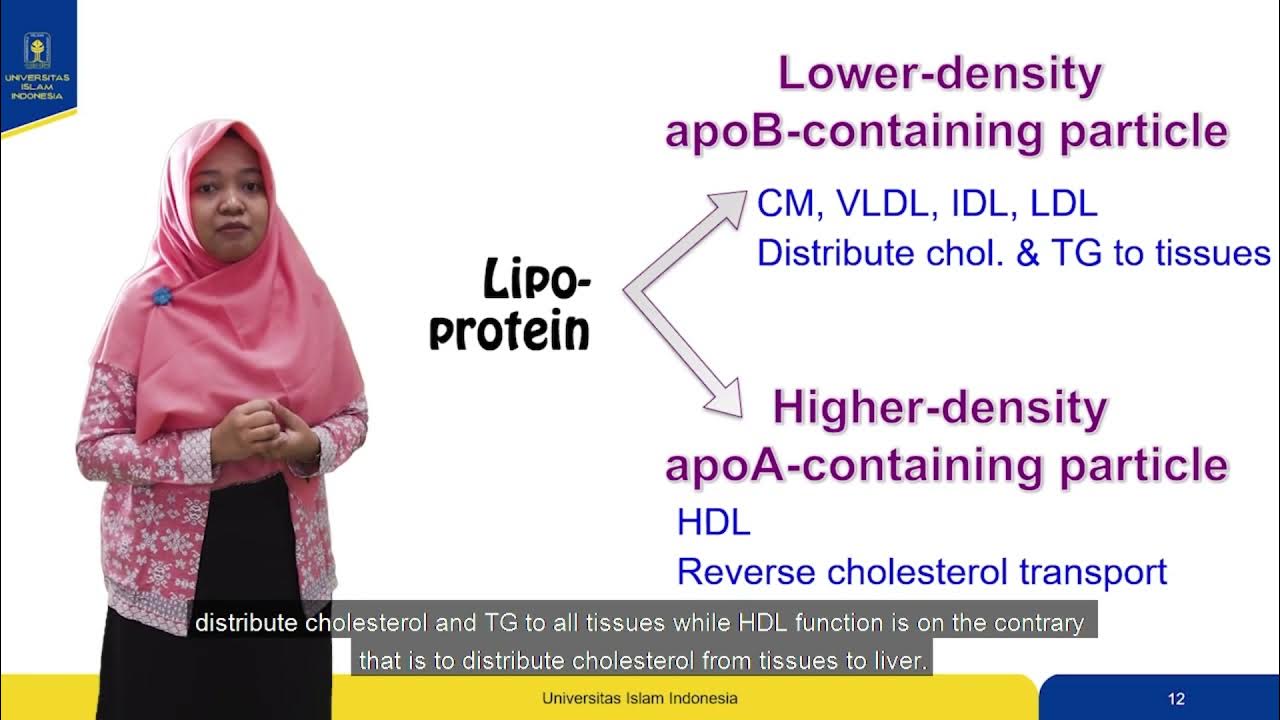
Kimia Klinik: Analisis Lipid dan Lipoprotein
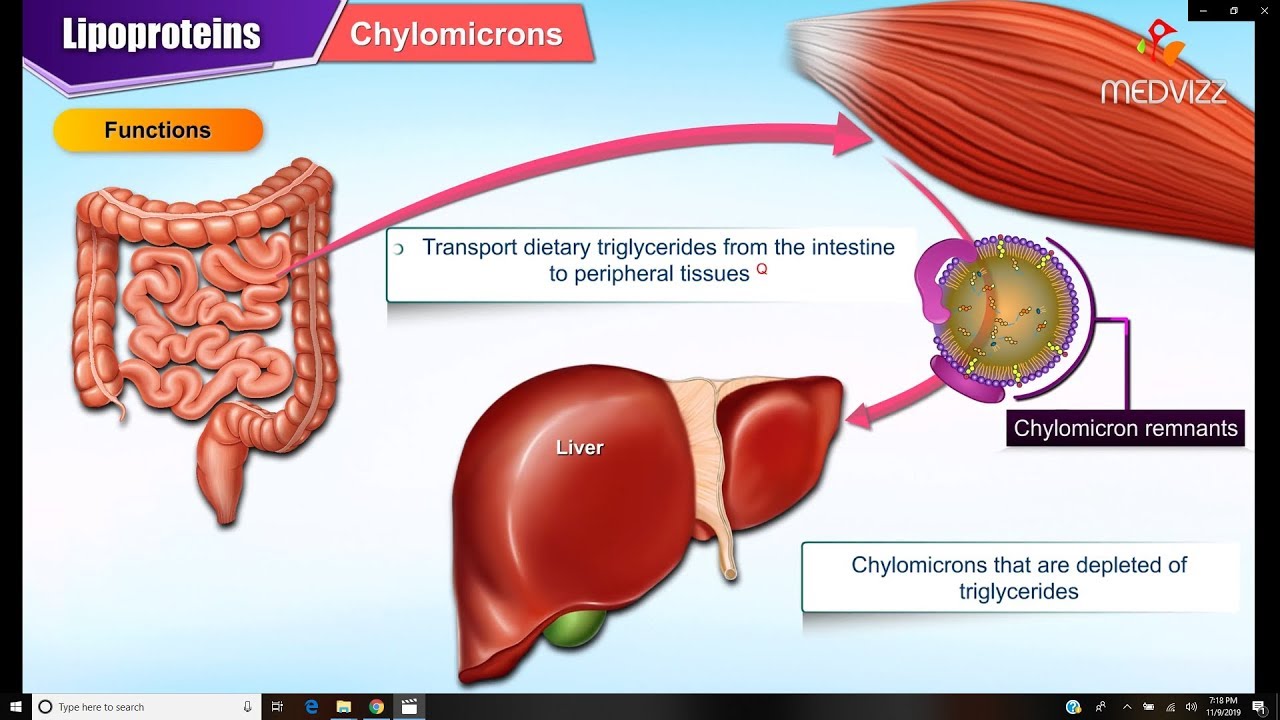
Lipoproteins and Apolipoproteins - Structure , function and metabolism : Medical Biochemistry
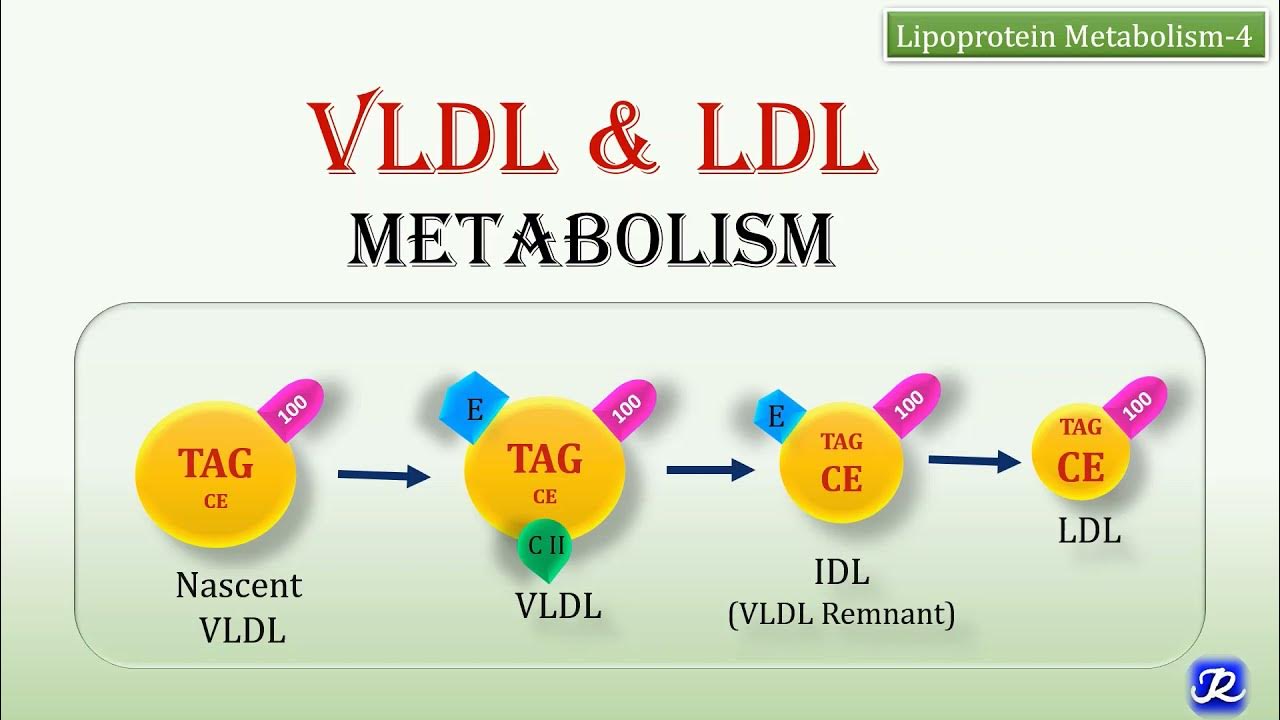
22: VLDL, LDL Metabolism | Lipid metabolism | Biochemistry | N'JOY Biochemistry
5.0 / 5 (0 votes)

