AS Dinilai Kehabisan Taktik Lawan Iran: Blokade Selat Hormuz Jadi Senjata Terakhir Trump?
Summary
TLDRThe U.S. blockade of the Strait of Hormuz, initiated by President Trump on April 14, 2026, faced immediate challenges, as Iranian-linked ships continued to pass through freely. The blockade, part of Trump's strategy to pressure Iran and demonstrate U.S. maritime dominance, was also intended to send a message to China. Despite its bold intentions, the blockade struggled against Iran’s strategic countermeasures and China’s non-engagement, raising questions about its effectiveness. Meanwhile, Saudi Arabia pressured the U.S. to avoid further escalating tensions by risking disruption of the Bab el-Mandeb Strait, vital for global oil shipments.
Takeaways
- 😀 Donald Trump ordered a maritime blockade on the Strait of Hormuz starting on April 14, 2026, but its enforcement seemed ineffective on the first day, with at least eight vessels, including Iranian-linked ships, passing freely.
- 😀 The blockade's real intent may not only be military pressure but also a strategic move by Trump to boost his image before facing Chinese President Xi Jinping.
- 😀 Analysts believe that Iran still holds many strategic cards that could thwart the U.S. blockade, including asymmetrical tactics and political maneuvering.
- 😀 The blockade applies to ships from all countries wanting to enter or leave Iranian ports, including the Persian Gulf and the Gulf of Oman, creating a dual blockade with Iran's own defensive measures.
- 😀 Despite the blockade's announcement, ships like the Cristiana (from Iran's Imam Khomeini port) and the Elpis (formerly sanctioned by the U.S.) sailed without hindrance, raising questions about the blockade’s actual enforcement.
- 😀 The blockade's goals seem to include pressuring Iran economically by blocking its oil exports, but it also serves as a demonstration of U.S. maritime power to China.
- 😀 There is a potential hidden agenda behind the blockade aimed at pressuring China to intervene diplomatically with Iran, but analysts doubt this strategy will be successful.
- 😀 If Chinese vessels are intercepted by the U.S. in the Strait of Hormuz, it could backfire on the U.S., reinforcing China's narrative as a victim of American overreach without the need for military confrontation.
- 😀 Analysts suggest that the blockade is Trump's final strategy to maintain U.S. influence over global trade routes, particularly with the intention of facing China from a position of strength.
- 😀 Iran's response to the blockade could involve unconventional tactics like speedboats, kamikaze drones, and mines, along with leveraging its influence in the Bab el-Mandeb Strait, a vital passage for Saudi oil exports.
Q & A
What was the official announcement regarding the U.S. blockade of the Strait of Hormuz on April 14, 2026?
-On April 14, 2026, the U.S. Central Command (CENTCOM) officially announced a maritime blockade against all ports in Iran, which included preventing ships from entering or leaving Iranian waters, including the Strait of Hormuz.
Why did the U.S. blockade in the Strait of Hormuz seem ineffective on its first day?
-Despite the blockade being officially enforced, several ships, including those linked to Iran, passed through the Strait of Hormuz without any issues. This indicated the blockade's lack of enforcement or impact, raising questions about its effectiveness.
What strategic goal did Trump aim to achieve with the blockade of the Strait of Hormuz?
-The primary strategic goal of the blockade was to exert pressure on Iran by disrupting its oil exports, with the hope of forcing Tehran back to the negotiating table to accept U.S. demands. Additionally, Trump aimed to demonstrate U.S. maritime supremacy to China.
How did the blockade also aim to influence China's position regarding the Iran conflict?
-Trump hoped that the blockade would pressure China, a major energy consumer, by threatening its oil supplies, potentially forcing Beijing to intervene diplomatically and press Iran into agreeing to a peace deal.
Why did analysts believe that China would not be pressured by the U.S. blockade?
-Analysts argued that China would not need to take action because any confrontation with U.S. forces would enhance its global image as a victim of U.S. aggression, allowing China to avoid direct conflict while still benefiting diplomatically.
What were the potential risks for the U.S. if Chinese ships were targeted by the blockade?
-If U.S. forces intercepted Chinese ships, it could significantly damage America's global image, portraying Washington as an arrogant power hindering free international trade, thus strengthening China's diplomatic narrative.
What was the role of the Strait of Bab-el-Mandeb in the broader geopolitical context of the blockade?
-The Strait of Bab-el-Mandeb, connecting the Red Sea to the Gulf of Aden, became a crucial alternative route for Saudi Arabia's oil exports after the U.S. blockade. Iran’s potential to disrupt traffic through this strait posed a significant risk, especially to Saudi interests.
What did Saudi Arabia do in response to the U.S. blockade of the Strait of Hormuz?
-Saudi Arabia, fearing further disruptions to its oil exports, pressured the U.S. to lift the blockade in order to protect the flow of its oil through the Strait of Bab-el-Mandeb, where Iran could pose a threat.
What does the U.S. blockade suggest about Trump's handling of foreign policy in his final years in office?
-The blockade reflects Trump's attempt to use military and economic pressure to regain political leverage and improve his image domestically and internationally, particularly in preparation for future talks with China and other global leaders.
How did the Iranian response to the blockade highlight the limitations of U.S. military power?
-Iran's ability to continue its maritime activities despite the blockade showcased its resilience and capacity for asymmetrical warfare, including the use of speedboats, drones, and sea mines, which made it difficult for the U.S. to maintain a complete blockade.
Outlines

Cette section est réservée aux utilisateurs payants. Améliorez votre compte pour accéder à cette section.
Améliorer maintenantMindmap

Cette section est réservée aux utilisateurs payants. Améliorez votre compte pour accéder à cette section.
Améliorer maintenantKeywords

Cette section est réservée aux utilisateurs payants. Améliorez votre compte pour accéder à cette section.
Améliorer maintenantHighlights

Cette section est réservée aux utilisateurs payants. Améliorez votre compte pour accéder à cette section.
Améliorer maintenantTranscripts

Cette section est réservée aux utilisateurs payants. Améliorez votre compte pour accéder à cette section.
Améliorer maintenantVoir Plus de Vidéos Connexes

Apresiasi Usai Timnas Juara Piala AFF U-19 2024 - iNews Pagi 01/08

How would you go about solving this? Limit of x/sqrt(x^2+1) as x goes to infinity. Reddit inf/inf

Embedded Linux | Introduction To U-Boot | Beginners

How to Diagnose and Replace Universal Joints (ULTIMATE Guide)
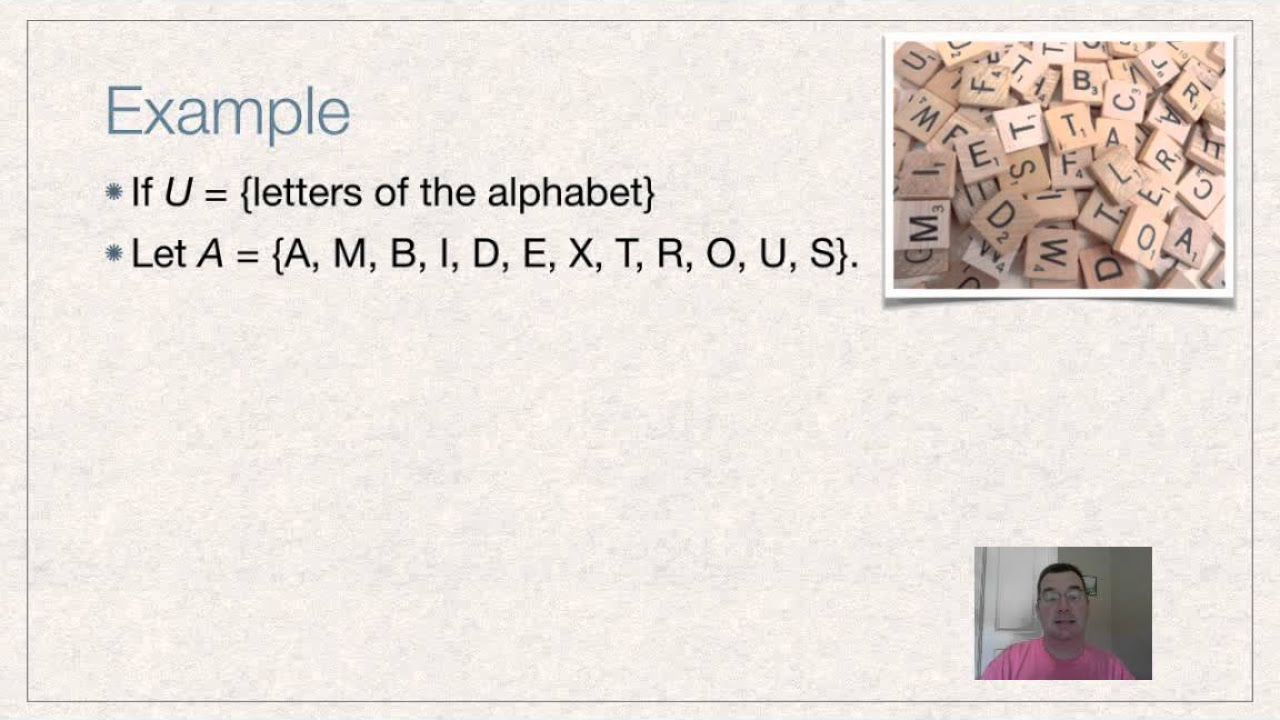
Complements of Sets

Kalah 6-0 dari Korea Utara, Timnas Indonesia U17 Gagal ke Semifinal Piala Asia

TIMNAS INDONESIA U17 KALAH SEGALANYA DARI KORUT DAN TERSINGKIR DARI PIALA ASIA!
5.0 / 5 (0 votes)

