[ L I V E ] 07/03/2026 🛑 Kajian Ramadhan Ba'da Tarawih Oleh H. Abdul Muntholib, M.Pd
Summary
TLDRThe transcript captures a detailed Islamic educational session focused on reciting and understanding Al-Fatihah, purification rituals, and prayer practices. The instructor explains the significance of proper recitation, the distinction between physical and ritual purity, and the rules for ablution and major/minor impurities. Step-by-step guidance is provided for performing prayers, including takbir, ruku, sujud, and tasyahhud, emphasizing proper pronunciation, intention, and mindfulness. The session also touches on the spiritual benefits of Ramadan, Quranic reflection, and maintaining devotion. Overall, it offers comprehensive religious instruction aimed at enhancing both practical and spiritual knowledge for learners.
Takeaways
- 😀 The script starts with a series of prayers, including blessings for the Prophet Muhammad and invoking divine mercy.
- 😀 It emphasizes the importance of Ramadan and its blessings, wishing for a closer connection with the Quran and Allah during this sacred time.
- 😀 The speaker discusses the practice of reading and reflecting on the Quran, encouraging everyone to engage with the Quran, even if it's just looking at it.
- 😀 It mentions the concept of 'najis' (impurity) in Islamic teachings, explaining the process of purification and different types of najis.
- 😀 A discussion on the purification of 'najis mugadoh' (heavy impurity) is included, where it must be washed seven times, with one wash mixed with dust.
- 😀 'Najis mukhaofafah' (lighter impurity) is also discussed, highlighting the use of water for purification.
- 😀 The concept of 'nifas' (postpartum bleeding) is introduced, explaining the different categories of impurity associated with it.
- 😀 The importance of proper intention (niyah) before prayer and other acts of worship is mentioned, including the significance of 'takbiratul ihram' (the opening declaration of prayer).
- 😀 There is an emphasis on the correct recitation of Al-Fatihah, particularly when it comes to proper pronunciation and the inclusion of necessary sounds (tasdidan).
- 😀 The speaker highlights the importance of practicing and perfecting one's recitation of Al-Fatihah as a key pillar in performing valid prayers (salat).
Q & A
What is the significance of the 17th night mentioned in the script?
-The 17th night refers to the commemoration of Nuzulul Qur'an, which is believed to be the night the Qur'an was revealed to the Prophet Muhammad (PBUH). The speaker prays that everyone can recite and reflect on the Qur'an, encouraging a deeper connection to the holy book.
What is the meaning of 'Fatihah' and why is it emphasized in the script?
-'Fatihah' is the opening chapter of the Qur'an and holds great importance in Islamic prayers. It is recited in every unit of the prayer (Salat). The script stresses the correct pronunciation and recitation of Fatihah, as it is a fundamental part of prayer, and getting it right ensures the validity of the prayer.
What does the script say about the importance of reciting the Qur'an correctly?
-The script highlights the importance of reciting the Qur'an properly, not only by reading it but by understanding its meaning. It encourages both reciting the Qur'an with correct tajweed (pronunciation) and internalizing its messages.
What is the role of 'tumaninah' in prayer as mentioned in the script?
-Tumaninah refers to the calm and stillness during prayer, especially in positions like ruku' (bowing) and sujud (prostration). The script stresses that tumaninah is a required component of prayer, ensuring the prayer is performed with full attentiveness and respect.
What is the difference between 'hadath' and 'najis' as explained in the script?
-'Hadath' refers to the state of ritual impurity, which requires purification through wudu (ablution) or ghusl (full-body wash), while 'najis' refers to physical impurity (such as dirt or urine) that must be cleaned away for prayer to be valid.
Why is 'taharah' (purity) so important in Islamic rituals as mentioned in the transcript?
-Purity, or 'taharah', is essential in Islam for the validity of many rituals, especially prayer (Salat). The script outlines how both physical cleanliness and ritual purification are necessary for worship and other religious activities.
What does the script say about the importance of intention (niyyah) in performing prayers?
-Intention (niyyah) is a key aspect of performing any act of worship in Islam, including prayer. The script mentions that prayer must be preceded by a sincere intention, which distinguishes an act of worship from any other activity.
What is the significance of raising hands during certain parts of prayer?
-Raising hands during specific moments, like the Takbir (saying 'Allahu Akbar') at the beginning of prayer and before certain actions like ruku' or sujud, is a Sunnah (recommended practice). It is mentioned in the script as an important gesture during the prayer.
How does the script explain the process of purifying 'najis mugah' (severe impurity)?
-The script explains that 'najis mugah', or severe impurity, requires washing the affected area seven times, one of which should include water mixed with dust. This method is considered essential for purifying items or areas that have become severely impure.
What does the script say about the importance of learning and practicing the correct recitation of Fatihah?
-The script emphasizes that learning the correct recitation of Fatihah is a foundational aspect of a Muslim's worship, as it is integral to the validity of the prayer. Mispronunciation or omission of parts of the Fatihah can invalidate the prayer.
Outlines

Cette section est réservée aux utilisateurs payants. Améliorez votre compte pour accéder à cette section.
Améliorer maintenantMindmap

Cette section est réservée aux utilisateurs payants. Améliorez votre compte pour accéder à cette section.
Améliorer maintenantKeywords

Cette section est réservée aux utilisateurs payants. Améliorez votre compte pour accéder à cette section.
Améliorer maintenantHighlights

Cette section est réservée aux utilisateurs payants. Améliorez votre compte pour accéder à cette section.
Améliorer maintenantTranscripts

Cette section est réservée aux utilisateurs payants. Améliorez votre compte pour accéder à cette section.
Améliorer maintenantVoir Plus de Vidéos Connexes
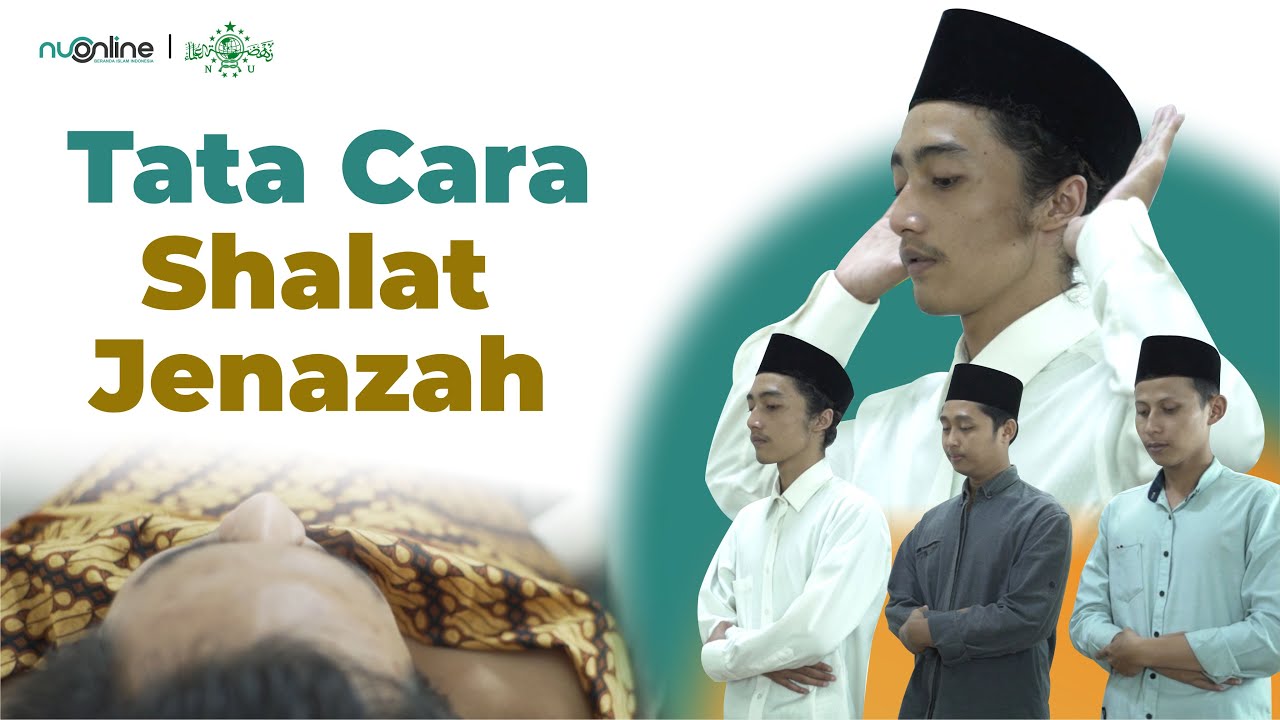
Tata Cara Sholat Jenazah Laki Laki dan Perempuan | NU Online

Rukun-Rukunnya Shalat II Mabadi Fiqiyah Juz 2 - Arkanus Sholat

Bab : Rukun Sholat | ust Dr Okrisal Eka Putra, Lc, M, Ag

BACAAN SHOLAT | DARI TAKBIR SAMPAI SALAM SESUAI SUNNAH RASULULLAH SAW

Eksklusif‼️ Ngaji Santuy Bareng UAS | Bahas Tafsir Surat Al Fatihah

منهج السالكين وتوضيح الفقه في الدين | باب صفة الصلاة (والأركان القولية...) | الشيخ عدنان عبد القادر
5.0 / 5 (0 votes)

