Berpikir Kritis dan Dampak Sosial Informatika - Ganjil Kelas XI Kurmer
Summary
TLDRThis script explores the critical role of thinking in the digital age, emphasizing the importance of critical thinking in understanding, analyzing, and solving problems, especially in the realm of information technology. It highlights how technology shapes modern life while also presenting ethical challenges such as misinformation, privacy concerns, and the digital divide. Critical thinking is presented as a key tool in navigating these challenges, promoting digital literacy, and advocating for equal access to technology. The script calls for using critical thinking to create a future where technology serves humanity, empowers individuals, and fosters an inclusive digital world.
Takeaways
- 😀 The universe is vast and full of mysteries, and humans have the extraordinary ability to explore these mysteries through our critical thinking abilities.
- 😀 Critical thinking allows us to ask questions, analyze, and understand the world around us. It is not about being negative or judgmental but actively engaging with information.
- 😀 In every aspect of life, especially in the field of information technology, critical thinking plays a crucial role in making informed decisions.
- 😀 Critical thinking helps us make reasoned judgments by analyzing information carefully and supporting conclusions with logic and evidence.
- 😀 In a world flooded with information, critical thinking is the tool that helps us navigate, understand, and solve problems effectively.
- 😀 Information technology has revolutionized how we communicate, learn, work, and think, creating a more interconnected world.
- 😀 The digital revolution brings many benefits but also presents new challenges, such as misinformation, privacy issues, and social inequality.
- 😀 Critical thinking is essential for professionals in IT to solve technical problems, analyze data, and identify logical solutions.
- 😀 The digital divide—disparities in access to technology and digital literacy—is one of the most pressing challenges in the digital age.
- 😀 Promoting digital literacy and advocating for equitable access to technology can bridge the digital divide and create a fairer, more inclusive digital world.
- 😀 Ethics in technology use is crucial; as we navigate the digital landscape, we must make choices that benefit humanity, using technology to empower and enhance the human experience.
Q & A
What role does critical thinking play in understanding the world around us?
-Critical thinking allows us to question assumptions, analyze information, and form logical conclusions. It helps us actively engage with the world, enhancing our ability to understand and solve problems.
How is critical thinking different from being negative or judgmental?
-Critical thinking is not about being negative or judgmental; it's about approaching information thoughtfully. It involves questioning, seeking evidence, and considering different perspectives without jumping to conclusions.
Why is critical thinking important in the field of information technology?
-In information technology, critical thinking helps professionals analyze problems, design solutions, and make informed decisions. It is essential for adapting to new technologies and solving complex technical issues.
How does critical thinking contribute to problem-solving in IT?
-Critical thinking aids in identifying problems accurately, analyzing data, and applying logical solutions. It's essential for IT professionals to evaluate situations and generate effective strategies for resolving technical challenges.
What is the role of information technology in shaping the modern world?
-Information technology has revolutionized communication, work, education, and even how we think. It connects people globally, provides access to vast amounts of data, and shapes the way we learn, interact, and solve problems.
How has the digital revolution impacted our access to information?
-The digital revolution has drastically increased our access to information. With the internet connecting billions of people, we now have unprecedented access to data, resources, and knowledge from all over the world.
What ethical challenges come with the rise of technology?
-As technology advances, ethical challenges such as privacy issues, misinformation, and widening social inequalities emerge. Technology can be a powerful tool, but it also brings about new problems that need to be addressed responsibly.
What is the digital divide, and why is it an important issue?
-The digital divide refers to the gap between those who have access to technology and digital skills and those who do not. This inequality can hinder opportunities for education, employment, and social participation, making it crucial to address.
How can critical thinking help bridge the digital divide?
-Critical thinking can promote digital literacy by encouraging individuals to question information sources and understand how to use technology effectively. It also advocates for equal access to technology, which can help bridge the digital divide.
What is the potential of technology in improving healthcare, communication, and education?
-Technology has the potential to revolutionize healthcare by improving diagnoses and treatments, enhance communication through global connectivity, and provide access to quality education to people regardless of their location, thus improving lives worldwide.
Outlines

Esta sección está disponible solo para usuarios con suscripción. Por favor, mejora tu plan para acceder a esta parte.
Mejorar ahoraMindmap

Esta sección está disponible solo para usuarios con suscripción. Por favor, mejora tu plan para acceder a esta parte.
Mejorar ahoraKeywords

Esta sección está disponible solo para usuarios con suscripción. Por favor, mejora tu plan para acceder a esta parte.
Mejorar ahoraHighlights

Esta sección está disponible solo para usuarios con suscripción. Por favor, mejora tu plan para acceder a esta parte.
Mejorar ahoraTranscripts

Esta sección está disponible solo para usuarios con suscripción. Por favor, mejora tu plan para acceder a esta parte.
Mejorar ahora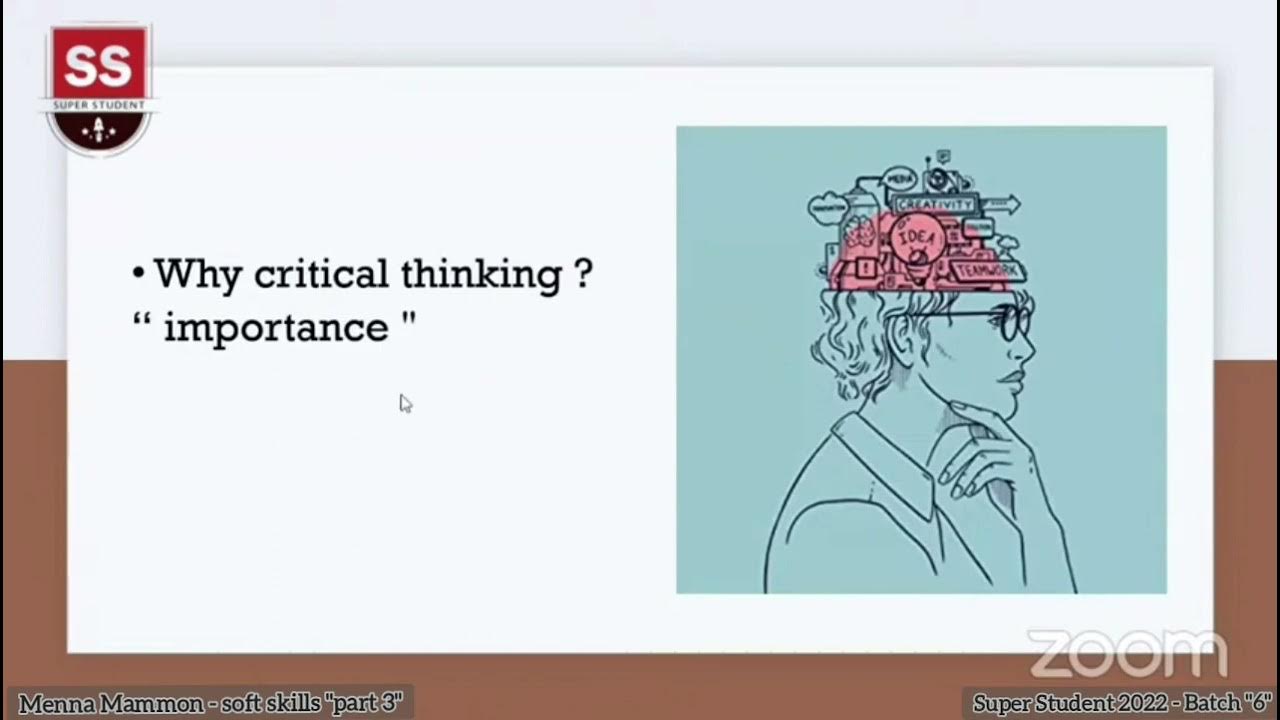


5.0 / 5 (0 votes)

