Bab 3 Berpikir Kritis dan Dampak Sosial Informatika | Informatika Kelas 11 Kurikulum Merdeka
Summary
TLDRThis video script introduces the importance of critical thinking, emphasizing its role in analyzing and evaluating information to make better decisions. It covers the application of critical thinking in real-life scenarios, including agriculture and healthcare, where technology such as Industry 4.0 and informatics play a crucial role. The script discusses the challenges and opportunities in utilizing digital tools, such as telemedicine and big data, while highlighting ethical concerns, privacy risks, and access disparities. Ultimately, it encourages developing intellectual character and decision-making skills that benefit both personal and professional life.
Takeaways
- 😀 Critical thinking is the ability to analyze and evaluate information to make well-informed decisions.
- 😀 The rise of digital information, from print media to social platforms, has led to diverse reactions and challenges in society.
- 😀 Misinformation, such as hoaxes about COVID-19 and vaccines, has caused harm, including loss of life and confusion during the pandemic.
- 😀 Engaging in critical thinking means questioning, analyzing, and making decisions with evidence and logical reasoning.
- 😀 Critical thinking helps avoid blindly accepting information, allowing individuals to respectfully disagree and logically explain their position.
- 😀 Decision-making involves a structured process, starting from identifying the problem, setting criteria, evaluating alternatives, and implementing solutions.
- 😀 Implementing a decision includes assessing its impact and revising it if the problem remains unresolved.
- 😀 Critical thinking requires practicing intellectual standards like clarity, accuracy, precision, relevance, depth, and breadth to form sound judgments.
- 😀 Building habits of critical thinking enhances intellectual virtues such as integrity, empathy, humility, and courage.
- 😀 Informatics in agriculture, driven by Industry 4.0, enhances efficiency, but its impact needs to be critically assessed for its benefits and drawbacks.
- 😀 The application of informatics in healthcare, including telemedicine, big data analysis, and electronic health records, improves efficiency, but also raises privacy, accessibility, and ethical concerns.
Q & A
What is critical thinking, and why is it important?
-Critical thinking is the art of analyzing and evaluating thinking with the aim of improving it. It is important because it helps individuals assess information, make informed decisions, and solve problems effectively. In a world filled with information, especially in the digital age, the ability to think critically allows people to distinguish between true and false information and make better choices.
How does critical thinking differ from mere criticism or negative thinking?
-Critical thinking is not about criticizing for the sake of criticism or thinking negatively. It involves evaluating arguments, identifying logical flaws, and reasoning logically. Unlike simply criticizing, critical thinking is constructive, based on evidence, and focused on improving or understanding ideas through careful analysis.
How can critical thinking be applied in decision-making?
-In decision-making, critical thinking involves identifying the problem, setting criteria, evaluating alternatives based on those criteria, and selecting the best possible solution. The process helps ensure that decisions are well-thought-out, logical, and effective in addressing the problem at hand.
What are the key elements involved in critical thinking?
-The key elements of critical thinking include taking a specific perspective, setting goals, questioning assumptions, interpreting and inferring data, applying relevant theories, and understanding the implications of decisions or actions. These elements help individuals process information more systematically and thoughtfully.
What are the intellectual standards for critical thinking?
-The intellectual standards for critical thinking are clarity, accuracy, precision, relevance, depth, breadth, logic, significance, fairness, and completeness. These standards guide individuals to ensure their reasoning is coherent, well-supported by evidence, and free from bias.
How can critical thinking skills be developed and nurtured?
-Critical thinking skills can be developed by practicing them regularly in daily life and academic settings. This involves questioning assumptions, seeking evidence, considering alternative viewpoints, and applying intellectual standards to both personal and professional decisions. Continuous reflection on the reasoning process also helps improve critical thinking over time.
What role does critical thinking play in evaluating information in the digital age?
-In the digital age, critical thinking helps individuals sift through vast amounts of information and determine what is credible, relevant, and accurate. It is crucial in identifying misinformation, such as hoaxes or fake news, and in making decisions based on reliable sources rather than unverified claims.
How has the application of informatics impacted agriculture?
-Informatics has played a significant role in agriculture by improving efficiency and enabling the use of digital technologies such as precision farming, data analysis for crop management, and automation in farming processes. These advancements help optimize yields, reduce resource waste, and enhance the overall sustainability of agricultural practices.
What are the social impacts of applying informatics in healthcare?
-The application of informatics in healthcare has increased access to quality healthcare services, especially in remote areas, through telemedicine and electronic medical records. It also aids in improving diagnosis accuracy and treatment efficiency. However, it raises concerns over data privacy, the digital divide, and the need for robust regulations to prevent misuse of sensitive health data.
What are the potential risks of using informatics in healthcare and agriculture?
-In both healthcare and agriculture, the risks of using informatics include data breaches, privacy concerns, and the possibility of technological failure. In agriculture, there may also be issues related to the over-reliance on technology, potentially leading to job displacement or loss of traditional knowledge. Ensuring security, equitable access, and proper regulatory frameworks is essential to mitigate these risks.
Outlines

This section is available to paid users only. Please upgrade to access this part.
Upgrade NowMindmap

This section is available to paid users only. Please upgrade to access this part.
Upgrade NowKeywords

This section is available to paid users only. Please upgrade to access this part.
Upgrade NowHighlights

This section is available to paid users only. Please upgrade to access this part.
Upgrade NowTranscripts

This section is available to paid users only. Please upgrade to access this part.
Upgrade Now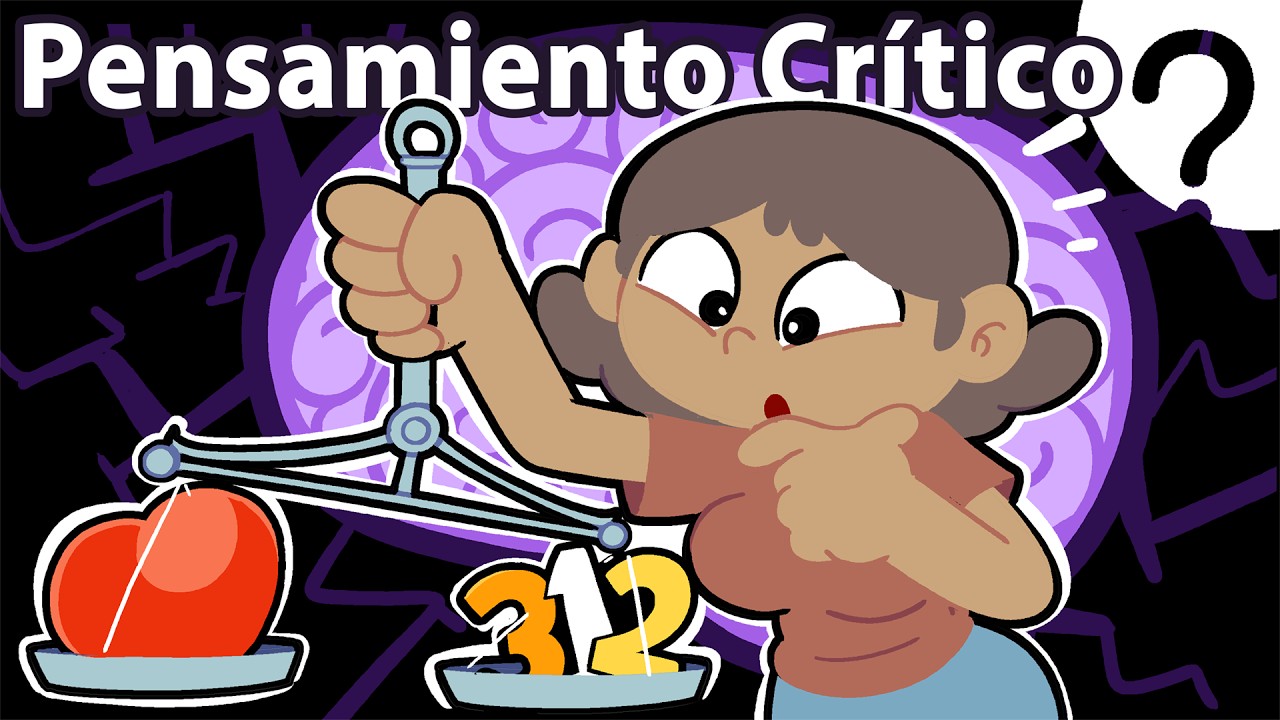


5.0 / 5 (0 votes)
