Teknik Dasar Bola Voli
Summary
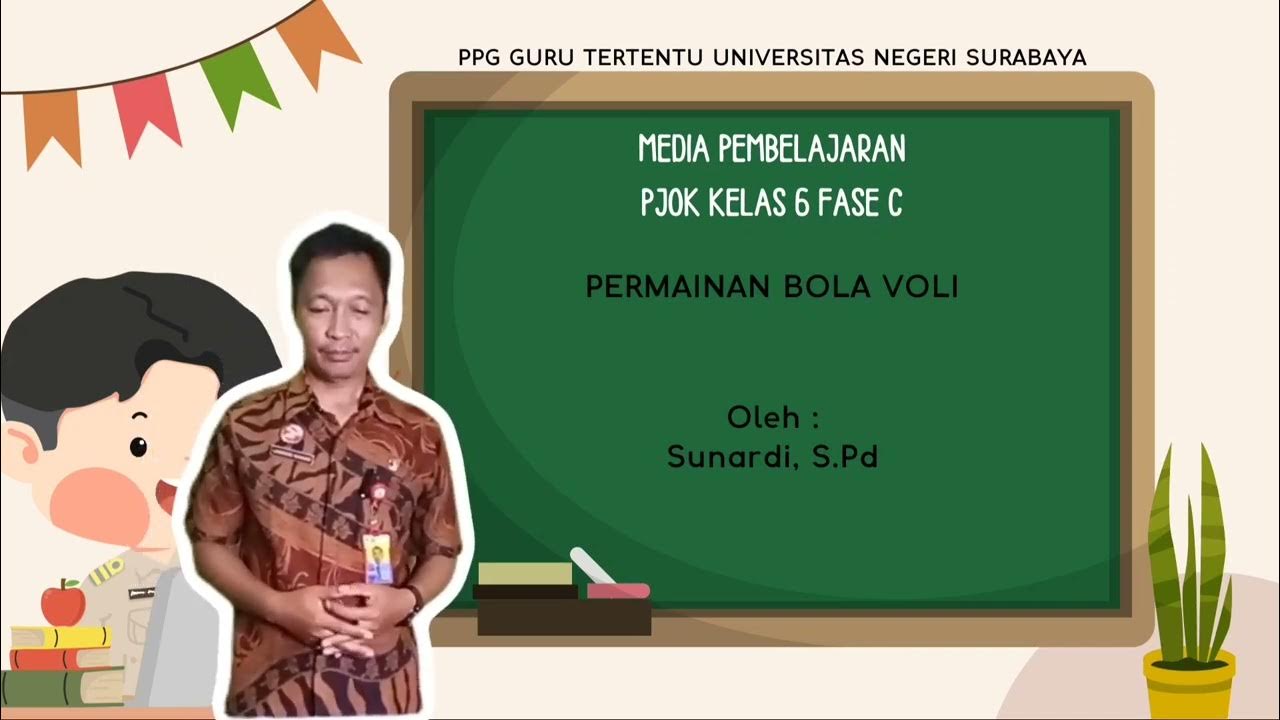
TLDRThis video provides an instructional guide on basic volleyball techniques, focusing on passing (both overhead and underhand) and serving. The coach demonstrates step-by-step how to properly grip the ball, execute passing drills, and maintain correct body posture. Emphasis is placed on the importance of hand positioning, body alignment, and consistency in practice. The video encourages viewers to practice at home with drills targeting both passing and serving skills to improve overall fitness and volleyball proficiency. It concludes with a reminder to stay healthy and active while practicing volleyball techniques.
Takeaways
- 😀 Overhand passing technique focuses on using your fingers (not the palms) for control and precision.
- 😀 The first exercise for overhand passing involves bouncing the ball and feeling it with your fingers to get a sense of control.
- 😀 When practicing overhand passing against a wall, make sure your hands are positioned correctly, and aim for controlled ball contact.
- 😀 For underhand passing, position your arms straight and locked together to create a stable platform for the ball to make contact.
- 😀 In underhand passing, the ball should hit between your wrist and elbow, not the palms or the forearms.
- 😀 The body posture for both passing techniques should remain low, with your feet shoulder-width apart to maintain balance and control.
- 😀 Practice underhand passing by starting with your arms straight and focused on keeping your body low and your movements fluid.
- 😀 Drills should include working with the ball in different scenarios, such as bouncing it, hitting it against the wall, and passing to yourself.
- 😀 It's crucial to practice consistently at home to improve your volleyball skills and overall fitness.
- 😀 The goal of these exercises is not only skill improvement but also to stay active and enhance your physical health for overall well-being.
Q & A
What are the two types of passing in volleyball?
-The two types of passing in volleyball are 'passing underhand' and 'passing overhead'.
What is the correct way to hold the ball when practicing overhead passing?
-When practicing overhead passing, the ball should be held with the fingers spread wide, with the thumbs and index fingers making contact with the ball. The ball should not be held with the palm of the hand, but rather with the fingertips.
What is the first exercise for practicing overhead passing?
-The first exercise for practicing overhead passing involves bouncing the ball against the floor to get a feel for how the ball interacts with the fingers. This helps in controlling the ball with the fingertips, not the palm.
What should you focus on when practicing overhead passing against a wall?
-When practicing overhead passing against a wall, focus on keeping the ball low, ensuring that it makes contact with the fingertips. The ball should be controlled without being thrown too high.
How should the body and arms be positioned when performing underhand passing?
-For underhand passing, the arms should be held straight, with the hands connected and the arms flat and strong. The body should be low, with the legs apart at shoulder width for stability. The ball should contact the forearms, not the hands.
What is the key point to remember when passing underhand with the arms?
-The key point is to keep the arms straight and parallel to the ground, with the ball making contact between the wrists and the elbows. The hands should not be clenched into fists but should be held together to create a flat surface.
What is the correct position for the legs during underhand passing?
-The legs should be shoulder-width apart, and one foot should be stepped forward to help stabilize the body during the pass. The knees should be slightly bent to allow for better control and movement.
Why is the wrist-elbow contact important in underhand passing?
-The wrist-elbow contact is important because it creates a flat and strong surface that helps control the ball. Hitting the ball with the forearms (between the wrists and elbows) ensures the pass is accurate and consistent.
What is the purpose of practicing these passing drills at home?
-The purpose of practicing these passing drills at home is to improve volleyball skills, enhance physical fitness, and develop muscle memory for correct techniques. Regular practice helps prevent injury and keeps the body fit.
What does the instructor encourage students to do after practicing the drills?
-After practicing the drills, the instructor encourages students to film their practice sessions and submit the videos as class assignments. This helps track progress and ensures that students are practicing the techniques correctly.
Outlines

Esta sección está disponible solo para usuarios con suscripción. Por favor, mejora tu plan para acceder a esta parte.
Mejorar ahoraMindmap

Esta sección está disponible solo para usuarios con suscripción. Por favor, mejora tu plan para acceder a esta parte.
Mejorar ahoraKeywords

Esta sección está disponible solo para usuarios con suscripción. Por favor, mejora tu plan para acceder a esta parte.
Mejorar ahoraHighlights

Esta sección está disponible solo para usuarios con suscripción. Por favor, mejora tu plan para acceder a esta parte.
Mejorar ahoraTranscripts

Esta sección está disponible solo para usuarios con suscripción. Por favor, mejora tu plan para acceder a esta parte.
Mejorar ahoraVer Más Videos Relacionados




5.0 / 5 (0 votes)

