1.5 - Financial Statement Auditing Process - An Overview of Auditing for Auditors
Summary
TLDRThis video provides a high-level overview of the financial statement auditing process, focusing on the roles of both management and auditors. Management is responsible for implementing internal controls, conducting transactions, and preparing financial statements. Auditors, in turn, gather evidence, test management's assertions, and assess the fairness of financial statements. The video explains the interaction between these roles, including the audit process, risk assessment, and the issuance of the audit report. Ultimately, auditors provide reasonable assurance on the accuracy of financial statements, ensuring they meet regulatory standards.
Takeaways
- 😀 Management implements internal controls to ensure goals are followed and minimize errors or fraud within an organization.
- 😀 Internal controls can include procedures like requiring multiple signatures on checks over a certain amount or having dock workers count shipments before inventory is recorded.
- 😀 Management conducts financial transactions, which accumulate into balances, similar to how personal bank accounts summarize daily spending into monthly or annual balances.
- 😀 Financial statements are prepared at the end of a period to summarize all transactions into clear reports, such as income tax returns or balance sheets.
- 😀 Auditors are hired to obtain evidence and test management's assertions, ensuring the financial statements are accurate and fairly represent the company's financial position.
- 😀 Auditors first assess internal controls to determine whether they can rely on the company's processes for ensuring transaction accuracy.
- 😀 Based on internal controls, auditors test transactions and balances to verify the assertions made in the financial statements, such as whether cash balances are accurate.
- 😀 Auditors provide reasonable assurance, not absolute assurance, due to the impracticality of testing every single transaction in large organizations.
- 😀 If the financial statements are found to be fair and accurate, auditors issue a clean, unqualified audit report, indicating that the statements are in accordance with applicable accounting standards.
- 😀 If misstatements are found, auditors may issue a qualified opinion or an adverse opinion, depending on the severity of the discrepancies.
- 😀 Once the audit is complete, the audit report is attached to the financial statements, which are then distributed to external users, such as investors or regulatory bodies.
Q & A
What is the purpose of the financial statement auditing process?
-The purpose of the financial statement auditing process is to evaluate the fairness and accuracy of a company's financial statements, ensuring that they are prepared in accordance with relevant accounting standards and accurately represent the financial position of the organization.
How does the audit process differ from the management's role in the financial statement preparation?
-Management is responsible for implementing internal controls, conducting transactions, and preparing financial statements. Auditors, on the other hand, evaluate management’s assertions by testing evidence related to internal controls, transactions, and balances to determine the fairness of the financial statements.
What are some examples of internal controls implemented by management?
-Examples of internal controls include requiring two signatures on checks over $5,000 and having dock workers count shipments before they are put into inventory to prevent fraud and ensure the accuracy of financial reporting.
Why are internal controls important in the financial auditing process?
-Internal controls are essential because they help ensure that transactions are conducted accurately and in accordance with management's directives. They provide auditors with the assurance that certain processes are reliable, reducing the amount of evidence the auditors need to gather.
What role does the auditor play in the financial statement audit process?
-The auditor’s role is to obtain evidence, test management's assertions, assess the overall fairness of the financial statements, and issue an audit report. The auditor ensures that the financial statements present a true and fair view of the organization's financial position.
What is the difference between an unqualified audit report and a qualified opinion?
-An unqualified audit report (clean report) indicates that the financial statements are fairly presented, while a qualified opinion is issued when there are some issues, but they do not significantly affect the overall fairness of the financial statements.
What is the significance of 'reasonable assurance' in the audit process?
-'Reasonable assurance' means that the auditor has gathered enough evidence to be reasonably confident that the financial statements are free from material misstatements. However, it is not absolute assurance due to the limitations of auditing every single transaction.
What are some of the assertions that auditors test during the audit process?
-Auditors test assertions related to the accuracy, existence, and completeness of balances and transactions, such as confirming that reported figures, like cash or revenue, are accurate and supported by evidence.
Why do auditors not provide absolute assurance in their reports?
-Auditors do not provide absolute assurance because auditing every transaction in a large organization would be too costly and time-consuming. Instead, they offer reasonable assurance based on evidence from a sample of transactions.
How do auditors obtain evidence in the audit process?
-Auditors obtain evidence by evaluating internal controls, reviewing transactions, and examining account balances to verify the accuracy of management's assertions. This evidence helps them assess the fairness of the financial statements.
Outlines

Esta sección está disponible solo para usuarios con suscripción. Por favor, mejora tu plan para acceder a esta parte.
Mejorar ahoraMindmap

Esta sección está disponible solo para usuarios con suscripción. Por favor, mejora tu plan para acceder a esta parte.
Mejorar ahoraKeywords

Esta sección está disponible solo para usuarios con suscripción. Por favor, mejora tu plan para acceder a esta parte.
Mejorar ahoraHighlights

Esta sección está disponible solo para usuarios con suscripción. Por favor, mejora tu plan para acceder a esta parte.
Mejorar ahoraTranscripts

Esta sección está disponible solo para usuarios con suscripción. Por favor, mejora tu plan para acceder a esta parte.
Mejorar ahoraVer Más Videos Relacionados

Audit Snapshot: Audit Strategy, Audit Plan, Audit Program

Audit Risk, Financial Statement Level and Assertion Level - Lesson 2
Auditing 101 | Part 1: Starting the Audit: A Guide for CPAs & Aspiring Auditors | Maxwell CPA Review
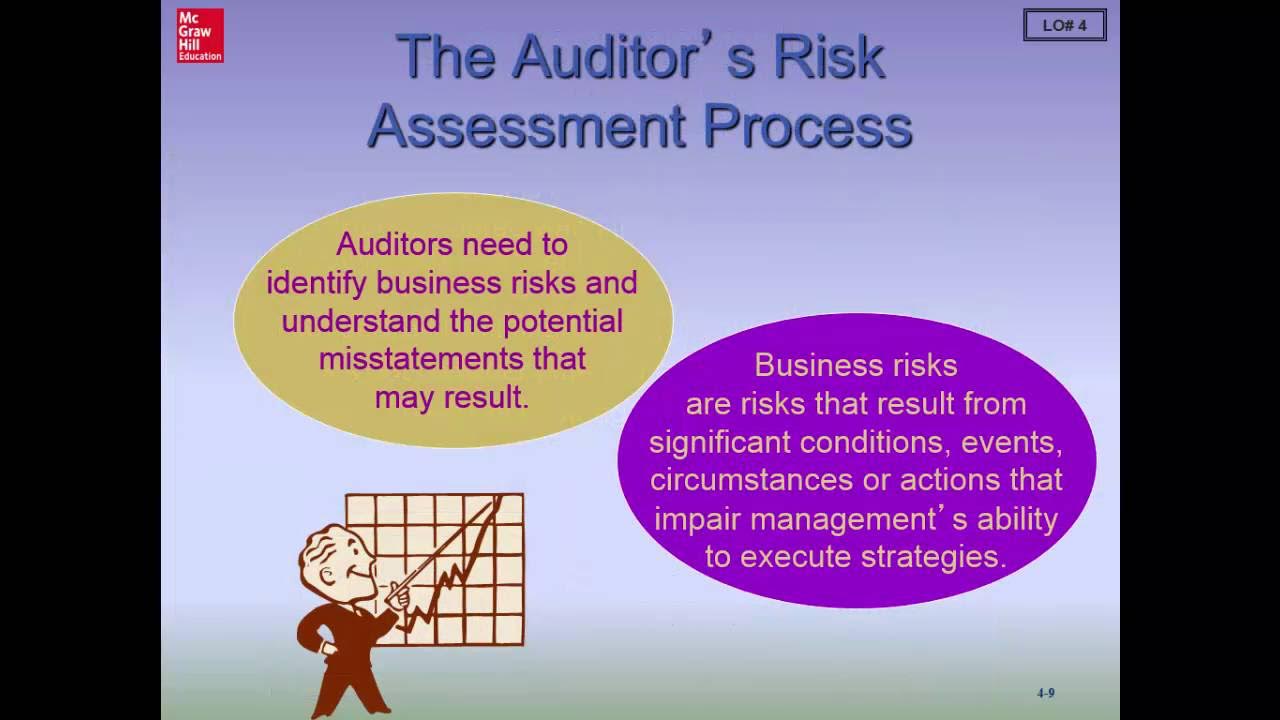
Audit Risk Model
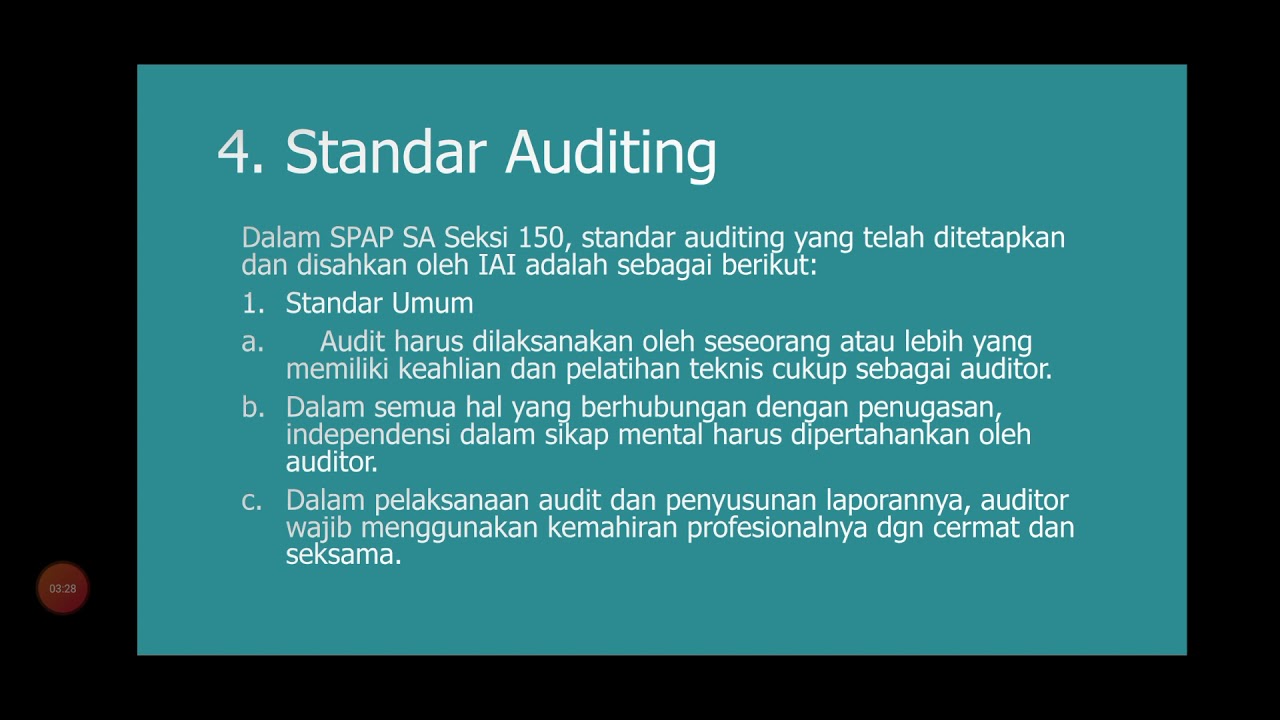
STANDAR AUDIT

Audit dalam Kerangka Islam - Audit Lembaga Keuangan Syariah
5.0 / 5 (0 votes)

