Rangkuman Materi IPS Kelas 8 Tema 04 Pembangunan Perekonomian Indonesia (kurikulum Merdeka)
Summary
TLDRThis script provides a comprehensive overview of Indonesia’s economic development from independence to the Reform era. It highlights major challenges such as hyperinflation, colonial debt, political instability, and the 1997 monetary crisis, along with government efforts like nationalization, devaluation, development planning, and the Five-Year Development Programs. The material also explains international trade concepts, including exports, imports, trade barriers, and protective policies, as well as Indonesia’s role in regional and global economic organizations. Additionally, it explores population dynamics—birth, death, and migration—their impacts on society, and strategic solutions such as family planning, education improvement, and equitable development to support sustainable national growth.
Takeaways
- 😀 Early independence (1945–1949) saw Indonesia struggle with hyperinflation, excessive Japanese currency, and a naval blockade by the Dutch, which hindered the economy.
- 😀 The government addressed economic challenges by taking national loans, negotiating rice exports to India in 1946, and establishing foreign trade relations.
- 😀 The Dutch colonial debt of 1.13 billion became a heavy burden following the Round Table Conference (KMB) in 1949.
- 😀 During the Parliamentary Democracy period (1950–1959), Indonesia attempted to detach from the Dutch economic influence, but faced economic struggles like inflation and failed nationalization attempts.
- 😀 The Guided Democracy (1959–1966) led by President Sukarno resulted in a deteriorating economy due to political conflicts, including the Malaysia confrontation and the Irian Barat liberation.
- 😀 The New Order period (1966–1998) focused on stabilizing the economy with high growth, development programs like PELITA, and transmigration efforts for population distribution.
- 😀 The Reform Era (1998–present) was triggered by the 1997 financial crisis, with a subsequent decline in the rupiah and widespread unemployment, prompting efforts for economic recovery.
- 😀 International trade includes export (selling goods abroad) and import (buying foreign goods), crucial for economic growth. Indonesia actively participates in global economic organizations such as ASEAN, APEC, and the UN.
- 😀 Factors driving international trade include resource differences, production cost savings, and technological advancement, while barriers include currency differences, national policies, and conflicts.
- 😀 Population dynamics in Indonesia are shaped by birth rates, death rates, and migration patterns, with high birth rates due to early marriages and low use of family planning programs.
- 😀 The impact of population growth includes a larger workforce and innovation, but also challenges like unemployment, overpopulation, pollution, and social issues like crime. Solutions include family planning programs, education, and managing migration.
Q & A
What were the key economic challenges in Indonesia between 1945 and 1949?
-The Indonesian economy during this period faced hyperinflation, an excess of Japanese currency, and a naval blockade by the Dutch, which crippled the economy. The government dealt with these challenges through national loans, rice diplomacy with India in 1946, and foreign trade relations.
How did Indonesia handle the colonial debt inherited from the Dutch after independence?
-The colonial debt inherited from the Dutch, amounting to 1.13 billion due to the Dutch-Indonesian Round Table Conference (KMB) in 1949, became a significant burden on Indonesia's economy.
What economic reforms were attempted during Indonesia's parliamentary democracy period (1950-1959)?
-During the parliamentary democracy period, Indonesia attempted to sever its economic ties with the Netherlands, carried out currency devaluation, and implemented the 'Fortress Movement' to transition from a colonial economic structure to a national one. However, these reforms ultimately failed.
What were the economic developments during Indonesia's guided democracy era (1959-1966)?
-Under President Sukarno's guided democracy, the economy was heavily impacted by political dynamics, including the Malaysia confrontation and the Irian Jaya liberation project. Key policies included currency devaluation, the formation of BAPPENAS for economic planning, and the principle of 'self-reliance.' However, high inflation (200-300%) by 1965 led to the student-led 'Tritura' protests.
How did the New Order (1966-1998) approach economic development in Indonesia?
-The New Order focused on economic stabilization, rehabilitation, and development. Key strategies included the trilateral development principles: stability, high growth, and equitable distribution. Programs like the 'Pelita' (five-year development plan) and transmigration were designed to balance population distribution and promote food self-sufficiency.
What was the impact of the 1997-1998 Asian financial crisis on Indonesia's economy?
-The 1997-1998 Asian financial crisis led to a severe economic downturn in Indonesia, with the rupiah crashing and widespread bankruptcies and mass layoffs. Efforts to recover from the crisis were made by various governments, but it marked a significant turning point for Indonesia's economy.
What is international trade, and how does it impact Indonesia's economy?
-International trade involves the exchange of goods and services between countries. Indonesia engages in exports (selling goods abroad) and imports (buying goods from other countries) to generate foreign currency and meet national needs. Factors driving international trade include resource differences, technological advantages, and cost efficiency.
What are some challenges Indonesia faces in international trade?
-Indonesia faces challenges such as currency differences, conflicting government policies, and international conflicts. Additionally, protectionist measures like tariffs, import quotas, and subsidies can impact trade flows.
How does international cooperation benefit Indonesia's economy?
-International cooperation helps expand market access, improve productivity, fulfill national needs, accelerate growth, facilitate technology transfer, and maintain global stability. Indonesia participates in various regional and international economic organizations, such as ASEAN, APEC, IMF, and WTO.
What factors influence population dynamics in Indonesia?
-Population dynamics in Indonesia are influenced by birth rates (natality), death rates (mortality), and migration (urbanization and transmigration). Social factors like early marriages, family planning programs, and healthcare services also play a significant role in shaping population trends.
Outlines

Dieser Bereich ist nur für Premium-Benutzer verfügbar. Bitte führen Sie ein Upgrade durch, um auf diesen Abschnitt zuzugreifen.
Upgrade durchführenMindmap

Dieser Bereich ist nur für Premium-Benutzer verfügbar. Bitte führen Sie ein Upgrade durch, um auf diesen Abschnitt zuzugreifen.
Upgrade durchführenKeywords

Dieser Bereich ist nur für Premium-Benutzer verfügbar. Bitte führen Sie ein Upgrade durch, um auf diesen Abschnitt zuzugreifen.
Upgrade durchführenHighlights

Dieser Bereich ist nur für Premium-Benutzer verfügbar. Bitte führen Sie ein Upgrade durch, um auf diesen Abschnitt zuzugreifen.
Upgrade durchführenTranscripts

Dieser Bereich ist nur für Premium-Benutzer verfügbar. Bitte führen Sie ein Upgrade durch, um auf diesen Abschnitt zuzugreifen.
Upgrade durchführenWeitere ähnliche Videos ansehen
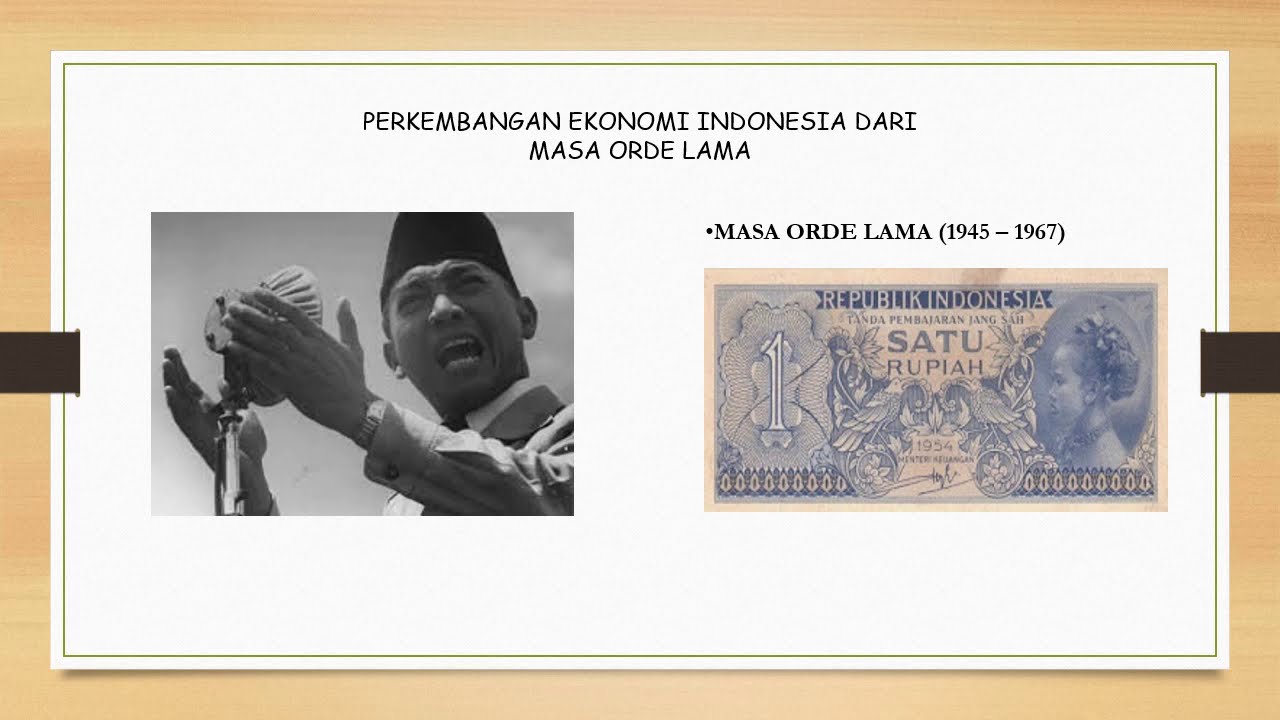
Sejarah Perekonomian Indonesia. Materi Mata Kuliah Perekonomian Indonesia Pertemuan 1

Kurikulum Merdeka Rangkuman IPS Kelas 8 Tema 4 Kondisi Perekonomian Pada Masa Kemerdekaan

Materi IPS Kelas 8 BAB 4 Tentang Kondisi Perekonomian Indonesia Pada Masa Kemerdekaan
Rangkuman Materi IPS Kelas 9 K13 BAB 4 | Indonesia dari Masa Kemerdekaan Hingga Masa Reformasi

BAB 4 PEMBANGUNAN PEREKONOMIAN INDONESIA | IPS KELAS 8 | KURIKUKUM MERDEKA
IPS class 8 Chapter 4 Economic life during the independence period IPS summary
5.0 / 5 (0 votes)

