Debate Lesson: Clashes
Summary
TLDRThis video provides a beginner-friendly guide to understanding 'clashes' in debate, focusing on the role of the third speaker. It explains that a clash is a key point of disagreement between the proposition and opposition, helping organize the debate and clarify contested issues. The video outlines a clear structure for presenting a clash: title, opponent’s arguments, critique, your team’s arguments, relevance, and why your team won. It also covers strategies for identifying clashes from speeches, predicting them in advance, and distinguishing principled from practical clashes. With practical examples like debates on zoos, viewers gain actionable tips for delivering effective, structured speeches.
Takeaways
- 😀 A clash in debate is a key issue where the proposition and opposition disagree.
- 😀 Clashes help organize the main points of the debate and make it easier for the judge to follow.
- 😀 Third speakers often focus on clashes, spending 70-80% of their speech on them.
- 😀 Each clash should have a clear, memorable title, sometimes phrased as a question.
- 😀 The structure of a clash includes: title, opponent's arguments, why they're wrong or irrelevant, your arguments, and why you won the clash.
- 😀 Comparing both sides' arguments is essential for effectively presenting a clash.
- 😀 Signposting is important: explicitly tell the judge which clashes you will cover.
- 😀 Clashes often come from repeated topics in the debate and from reputations and arguments presented by both sides.
- 😀 There is usually at least one principled clash and one or more practical clashes in a good debate.
- 😀 Third speakers can anticipate clashes before the debate starts by reviewing their team's arguments and predicting likely points of disagreement.
- 😀 Understanding and presenting clashes effectively is crucial for winning debates, especially when giving third speaker speeches.
Q & A
What is a clash in debate?
-A clash is a key issue or point of disagreement between the proposition and the opposition in a debate. It represents where the two sides oppose each other directly.
Why are clashes important in a debate?
-Clashes help organize the main issues of the debate, making it easier for judges and debaters to follow the discussion. They also highlight the points where the teams are in direct conflict.
In which speech are clashes most commonly discussed?
-Clashes are most commonly discussed in the third speaker’s speech, as this speech usually focuses on summarizing and analyzing the key points of disagreement in the debate.
What is the recommended structure of presenting a clash?
-The structure includes: 1) stating the title of the clash, 2) explaining what the opponent said, 3) pointing out why it is wrong or irrelevant, 4) presenting your own team’s arguments, 5) explaining why your arguments are correct and relevant, and 6) showing why your team has won that clash.
How should the title of a clash be phrased?
-Titles can be simple words like 'Freedom' or 'Economy,' but it is often more effective to phrase them as questions, such as 'Do zoos abuse animals?' This makes the clash clear and memorable.
How do you identify what the opponent said about a clash?
-You review the arguments and reputations presented by the opponent in their speeches (first, second, or third) to see how they addressed the issue and to identify points that may be irrelevant or incorrect.
What is the purpose of comparing both sides’ arguments in a clash?
-Comparing both sides’ arguments helps clarify which team has stronger reasoning, demonstrates critical analysis, and ultimately supports the claim of which team has won the clash.
What are some types of clashes commonly found in debates?
-Debates usually feature one principled clash, which is a core ethical or value-based disagreement, and one or more practical clashes, which focus on real-world impacts or implementation issues.
How can a third speaker prepare for clashes before the debate begins?
-By predicting potential clashes based on their team’s arguments and likely opposition points, the third speaker can anticipate the main disagreements, making it easier to organize their speech during the debate.
What is signposting in relation to discussing clashes?
-Signposting is when the speaker clearly indicates to the judge which clashes will be covered in their speech, such as saying 'I will go over Clash 1, Clash 2, and Clash 3,' helping the audience follow the structure.
How much of the third speaker’s speech is typically devoted to clashes?
-Approximately 70% to 80% of the third speaker’s speech is focused on explaining and analyzing the two to three key clashes in the debate.
Outlines

هذا القسم متوفر فقط للمشتركين. يرجى الترقية للوصول إلى هذه الميزة.
قم بالترقية الآنMindmap

هذا القسم متوفر فقط للمشتركين. يرجى الترقية للوصول إلى هذه الميزة.
قم بالترقية الآنKeywords

هذا القسم متوفر فقط للمشتركين. يرجى الترقية للوصول إلى هذه الميزة.
قم بالترقية الآنHighlights

هذا القسم متوفر فقط للمشتركين. يرجى الترقية للوصول إلى هذه الميزة.
قم بالترقية الآنTranscripts

هذا القسم متوفر فقط للمشتركين. يرجى الترقية للوصول إلى هذه الميزة.
قم بالترقية الآنتصفح المزيد من مقاطع الفيديو ذات الصلة

The Best First Tank To Play For Mythic + in World of Warcraft. Best Beginner Tanks Ranked

3 Developer Roadmaps That Actually Work
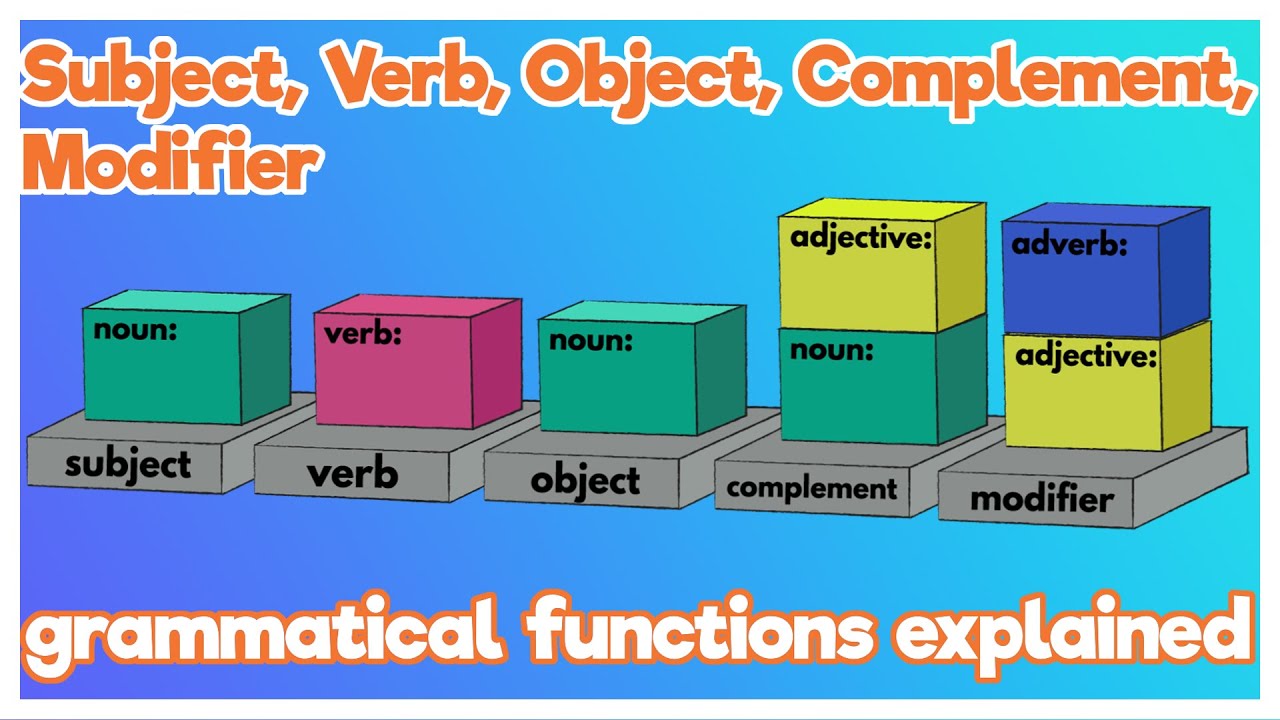
What is Subject, Verb, Object, Complement, Modifier: Grammatical Functions [basic English grammar]

STATISTIKA - Cara mudah menentukan nilai Jangkauan, Jangkauan antarkuartil dan Simpangan kuartil

Make any Warframe OP... LIKE THIS!

Jazz Improv Explained (Ridiculously Simple)
5.0 / 5 (0 votes)

