Aviation Maintenance - Lesson VII Rivets
Summary
TLDRThis lesson covers essential information about aircraft rivets, focusing on different types, their numbering system, and key specifications. The script explains how rivet shanks expand when setting the rivet and outlines the dimensions of the shop head. It also decodes rivet part numbers, detailing shape, alloy, heat treatment, and size. Additionally, it compares friction lock rivets and mechanical locking rivets, noting their respective applications. The content is ideal for those studying aircraft maintenance, with specific guidelines for certification quizzes.
Takeaways
- 😀 Rivet shank should be slightly smaller than the hole through the material being joined.
- 😀 When the rivet shop head is formed, the rivet shank expands to fill the hole.
- 😀 The rivet shank should extend beyond the material by a distance equal to 1.5 times its diameter.
- 😀 After forming the shop head, it should be 1.5 times the diameter of the rivet shank and half the shank diameter in thickness.
- 😀 You should memorize the rivet head shape EAN numbers, their names, and the corresponding alloy identifiers and markings for quiz purposes.
- 😀 The part number for a rivet fully describes its specifications, including the standard, head shape, alloy, heat treatment, and dimensions.
- 😀 The 'AN' in the part number refers to the rivet's compliance with standards.
- 😀 Friction lock rivets are not used in structural applications due to the risk of the rivet stem coming free.
- 😀 Friction lock rivets expand when a pulling force is applied, causing the rivet stem to break off and set the rivet.
- 😀 Mechanical locking rivets operate similarly to friction lock rivets, except a locking collar secures the stem in place during the setting process.
Q & A
What is the purpose of a rivet shank being slightly smaller than the hole in the material being joined?
-The rivet shank is slightly smaller than the hole so that when the shop head is formed, the shank expands to fill the hole, ensuring a tight and secure joint.
How far should the rivet shank extend beyond the material before setting the rivet?
-The rivet shank should extend beyond the material by a distance equal to one and a half times the diameter of the shank.
What are the dimensions of a properly formed shop head on a rivet?
-The diameter of the shop head should be one and a half times the diameter of the shank, and the thickness of the shop head should be one-half the diameter of the shank.
Why is it important to memorize rivet alloy numbers and their corresponding identifiers?
-Memorizing rivet alloy numbers and identifiers helps identify the material properties, heat treatments, and proper usage of each rivet, which is crucial for maintenance and inspection.
How does a rivet part number fully describe the rivet?
-A rivet part number specifies the manufacturing standard (AN), the head shape, the alloy and heat treatment (e.g., AD), and the diameter and length of the shank (e.g., 4-5), providing complete information about the rivet.
Why are friction lock rivets not used in structural applications?
-Friction lock rivets are not used structurally because the rivet stem could come free, compromising the integrity of the joint.
How does a friction lock rivet set and secure the material?
-During installation, a pulling force on the rivet stem pulls the expanding section into the rivet shell, causing it to expand and fill the hole. The header then forms the shop head. Once the stem breaks off, the rivet is fully set.
What distinguishes a mechanical locking rivet from a friction lock rivet?
-A mechanical locking rivet works similarly to a friction lock rivet, but it uses a locking collar crushed into a groove to securely hold the stem in place, providing a stronger and more reliable lock.
Where can additional information about aircraft rivets and their inspection be found?
-Additional information is available in the General Aviation Maintenance Technician Handbook (pages 554–564) and Chapter 7 of Advisory Circular 43.13, which covers acceptable methods, techniques, and practices for aircraft inspection and repair.
What are the key elements a technician should know for quiz purposes about rivets?
-Technicians should know EAN numbers for rivet head shapes, rivet alloy numbers with their one- or two-letter identifiers, corresponding rivet head markings, and how rivet part numbers describe the rivet fully.
Outlines

هذا القسم متوفر فقط للمشتركين. يرجى الترقية للوصول إلى هذه الميزة.
قم بالترقية الآنMindmap

هذا القسم متوفر فقط للمشتركين. يرجى الترقية للوصول إلى هذه الميزة.
قم بالترقية الآنKeywords

هذا القسم متوفر فقط للمشتركين. يرجى الترقية للوصول إلى هذه الميزة.
قم بالترقية الآنHighlights

هذا القسم متوفر فقط للمشتركين. يرجى الترقية للوصول إلى هذه الميزة.
قم بالترقية الآنTranscripts

هذا القسم متوفر فقط للمشتركين. يرجى الترقية للوصول إلى هذه الميزة.
قم بالترقية الآنتصفح المزيد من مقاطع الفيديو ذات الصلة

[95] Verben mit Ergänzungen - Was ist der Unterschied zwischen Ergänzung und Angabe?

Failure Statistics & Maintenance Methods - Aircraft Structures - Airframes & Aircraft Systems #3
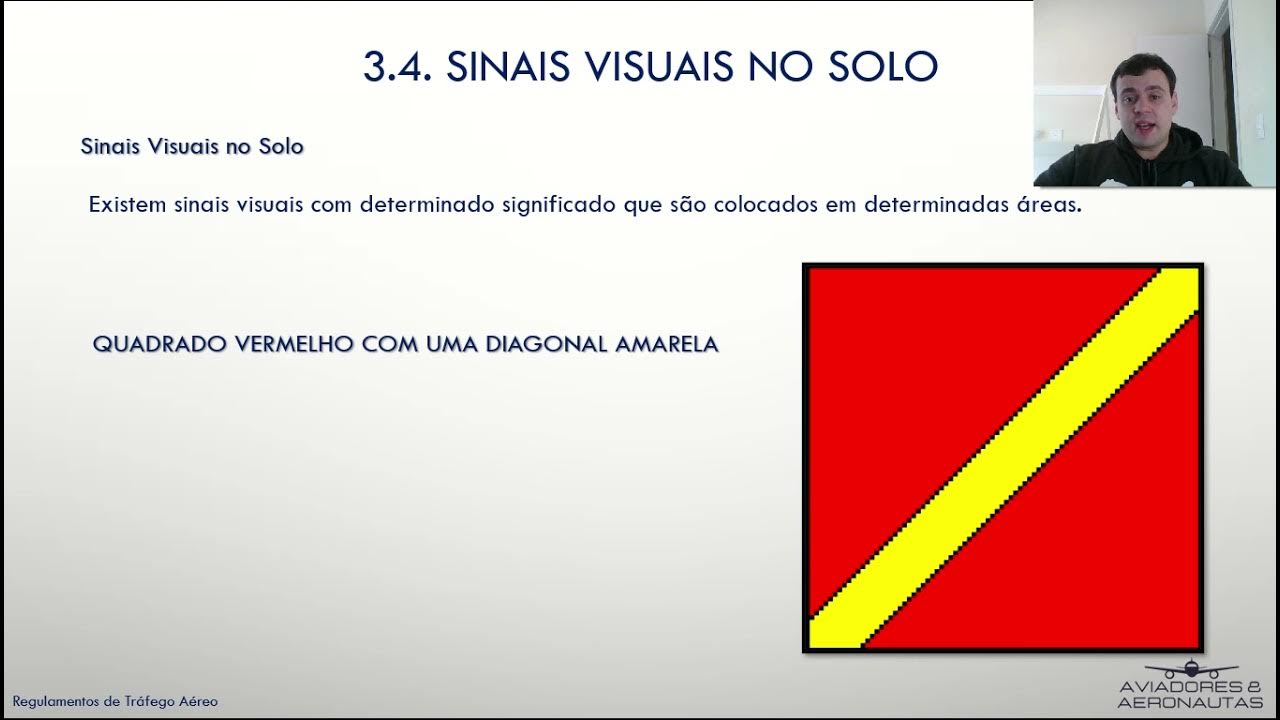
AULA 3.4 - SINAIS VISUAIS NO SOLO - REGULAMENTOS DE TRÁFEGO AÉREO - PILOTO PRIVADO DE AVIÃO

Pressurization Control & Operation - Pneumatics - Airframes & Aircraft Systems #42

TLE 8:Quarter I ICT:L1 Tools anf Equipment in ICT Appopriate Sofware Applications for Specific Task

Bahasa Indonesia Kelas XII Bab 1 Mengkritisi Informasi tentang Tokoh Pembelajaran 1 Kegiatan 1
5.0 / 5 (0 votes)

