País, estado-nação e nação - Geografia - Ensino Médio
Summary
TLDRIn this educational lecture on geopolitics, the speaker explores key concepts like **territory**, **state**, **nation**, and **state-nation**. The difference between **territory** (geographically controlled space) and **place** (personalized space) is discussed, followed by an explanation of how **states** govern territories. The speaker highlights that a **state-nation** is an institution with legal and political authority, while a **nation** refers to a group of people sharing cultural identity. The lecture also touches on how nations can coexist within states, exemplified by Brazil's indigenous groups, showing the complex dynamics of geopolitical relations.
Takeaways
- 😀 The concept of 'territory' refers to a space in which one has appropriation and power, as opposed to 'place,' which involves a personal connection and belonging.
- 😀 A 'place' is an area where an individual has proximity and daily interaction, such as their home, neighborhood, or school.
- 😀 'Territory' refers to a geographical space controlled by an individual or organization, where there is power and influence over that area.
- 😀 Geopolitics studies how nations, organizations, and individuals relate to one another through power dynamics over territories.
- 😀 A 'country' is essentially a region with a defined space, but it is not the same as a state, which holds sovereignty over the territory.
- 😀 A 'nation-state' is the governing institution (like the CNPJ of a country) that oversees and regulates a territory and its population.
- 😀 Sovereignty means having ultimate control and authority over a territory, with no external interference.
- 😀 The 'state' is an organized body with executive, legislative, and judicial powers that manage the country and its population.
- 😀 The executive branch coordinates actions to improve citizens' lives, the legislative branch creates laws, and the judiciary ensures those laws are followed.
- 😀 A 'nation' refers to a group of people who share common cultural identity, such as language, history, and traditions, which bind them together.
- 😀 In Brazil, different ethnic groups, such as indigenous nations (e.g., Yanomami or Guarani), form distinct nations with their own cultural identity within the broader Brazilian nation-state.
Q & A
What is the difference between 'territory' and 'place'?
-Territory refers to a part of the geographic space controlled by an entity, often linked to power and authority. A place, on the other hand, refers to a location with personal or emotional significance, where an individual feels a sense of belonging.
What is a 'country' in a geographical context?
-A country is a geographic region defined by specific boundaries, often associated with a set of criteria for organization. It represents a part of the larger geopolitical structure.
How is a 'state' different from a 'country'?
-A state is the governing entity that has sovereignty over a territory. It holds the power to regulate the land, people, and laws within a country's borders, while a country is the physical space or land itself.
What does the term 'sovereignty' mean in the context of geopolitics?
-Sovereignty refers to the supreme authority of a state over its territory and population, meaning that the state has the right to govern itself without interference from external forces.
What is a 'state-nation' and how does it function?
-A state-nation is the institutional structure of a country, composed of three main powers: the Executive, which governs and coordinates actions; the Legislative, which creates laws and regulations; and the Judicial, which ensures laws are followed. This structure helps manage the territory and population.
How do the three branches of government (Executive, Legislative, Judicial) relate to the concept of a state-nation?
-The three branches of government define how the state-nation functions. The Executive enforces laws and manages the country's actions, the Legislative creates the rules and regulations, and the Judicial ensures that these laws are applied correctly and justly.
What is the role of a country's 'territory' in geopolitical relationships?
-A country's territory plays a crucial role in geopolitics as it represents the physical space over which a state exercises control. The state's ability to govern and manage its territory is key to its sovereignty and international relations.
How does a shared cultural identity form a 'nation'?
-A nation is formed when a group of people shares a common cultural identity, such as language, history, and traditions. This shared identity creates a sense of belonging and community among the people, defining them as a distinct nation.
What is the distinction between a 'nation' and 'ethnic groups' within a country?
-A nation refers to a group of people who share a common cultural identity, while ethnic groups are subcategories of people within a nation who may share similar language or heritage but have distinct cultural or regional characteristics.
How does the idea of a 'double nationality' relate to the concept of nationhood?
-Double nationality occurs when an individual can identify with more than one nation, either through cultural ties or legal status. For example, a person could be considered both Brazilian by nationality and Yanomami or Guarani by ethnic identity, reflecting multiple layers of national belonging.
Why is the concept of 'geopolitics' important to understand in the global context?
-Geopolitics is essential for understanding how countries interact, manage their territories, and assert their sovereignty. It helps explain global conflicts, power structures, and how international relations are shaped by geography, political power, and national identity.
Outlines

هذا القسم متوفر فقط للمشتركين. يرجى الترقية للوصول إلى هذه الميزة.
قم بالترقية الآنMindmap

هذا القسم متوفر فقط للمشتركين. يرجى الترقية للوصول إلى هذه الميزة.
قم بالترقية الآنKeywords

هذا القسم متوفر فقط للمشتركين. يرجى الترقية للوصول إلى هذه الميزة.
قم بالترقية الآنHighlights

هذا القسم متوفر فقط للمشتركين. يرجى الترقية للوصول إلى هذه الميزة.
قم بالترقية الآنTranscripts

هذا القسم متوفر فقط للمشتركين. يرجى الترقية للوصول إلى هذه الميزة.
قم بالترقية الآنتصفح المزيد من مقاطع الفيديو ذات الصلة

Território, limites e fronteiras pelo mundo - Geografia - Ensino Médio

Concept of State, Nation, Territory, Government and Country - Understand NOW!
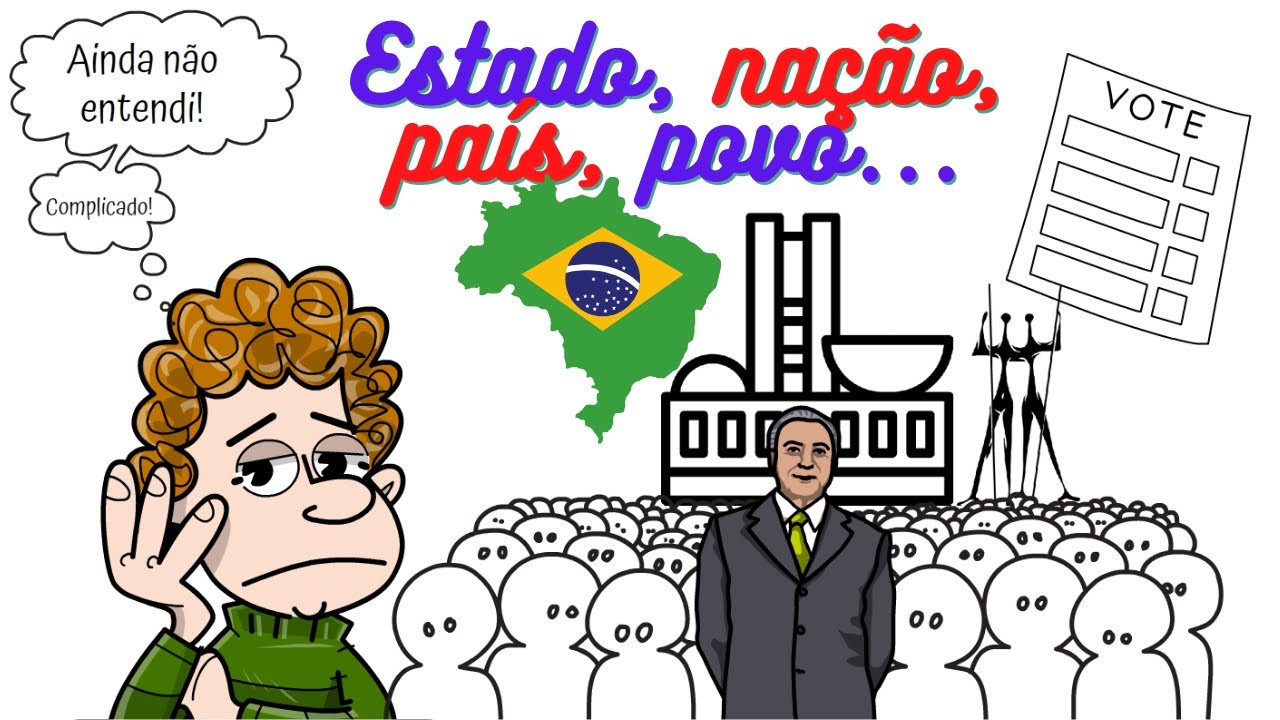
Estado, país, nação, governo, território e povo/animação

Materi Ke-4 Negara
Makna Negara dan Unsur-Unsur Negara

Introduction to Global Politics (The Contemporary World)
5.0 / 5 (0 votes)

