Dr K Reveals SHOCKING Relationships Truths
Summary
TLDRThis conversation explores the neuroscience of attraction, emotional connection, and the impact of stress on arousal. The speakers delve into how shared emotional experiences, like fear or joy, create romantic attraction, while also discussing the role of oxytocin in bonding. The conversation touches on the challenges of maintaining intimacy in relationships, especially in contexts like trying to conceive, and how modern technology, particularly texting, affects social skills and emotional resonance. They emphasize that emotional connection, whether spontaneous or scheduled, is key to sustaining healthy relationships over time.
Takeaways
- 😀 Emotional resonance, where both people share the same feelings, is key to building romantic attraction.
- 😀 Attraction is not just about physical acts (like sex) but about being on the same emotional wavelength with your partner.
- 😀 Scheduling sex can be effective if it is coupled with emotional connection and resonance before the act, such as through cuddling or shared experiences.
- 😀 Oxytocin plays a vital role in bonding and emotional connections, triggered by actions like hugging, holding hands, or giving massages.
- 😀 The rise in social anxiety can be attributed to the atrophy of social skills due to excessive reliance on technology and texting, which eliminates face-to-face non-verbal cues.
- 😀 Spontaneity in relationships, while exciting, can lose its novelty over time, making emotional connection and shared experiences more important.
- 😀 In relationships, it’s essential to consider not just your own emotional state but how your partner feels in shared situations to maintain connection.
- 😀 Technology and social media can impair our ability to communicate effectively, leading to misunderstandings and loneliness in relationships.
- 😀 Emotional bonds, like those created through trauma or shared struggles (e.g., rehab or difficult experiences), help solidify romantic or platonic relationships.
- 😀 Understanding the physiology of attraction and emotional bonding, including how emotions like fear or joy can enhance connection, is crucial for long-term relationship success.
Q & A
How does stress impact arousal in relationships?
-Stress reduces arousal in relationships. The speaker notes that they don't typically feel aroused when stressed, such as after a long work week. However, after relaxing, they become more receptive to arousal, showing that emotional and physical relaxation plays a crucial role in attraction.
What is empathic resonance, and why is it important in romantic attraction?
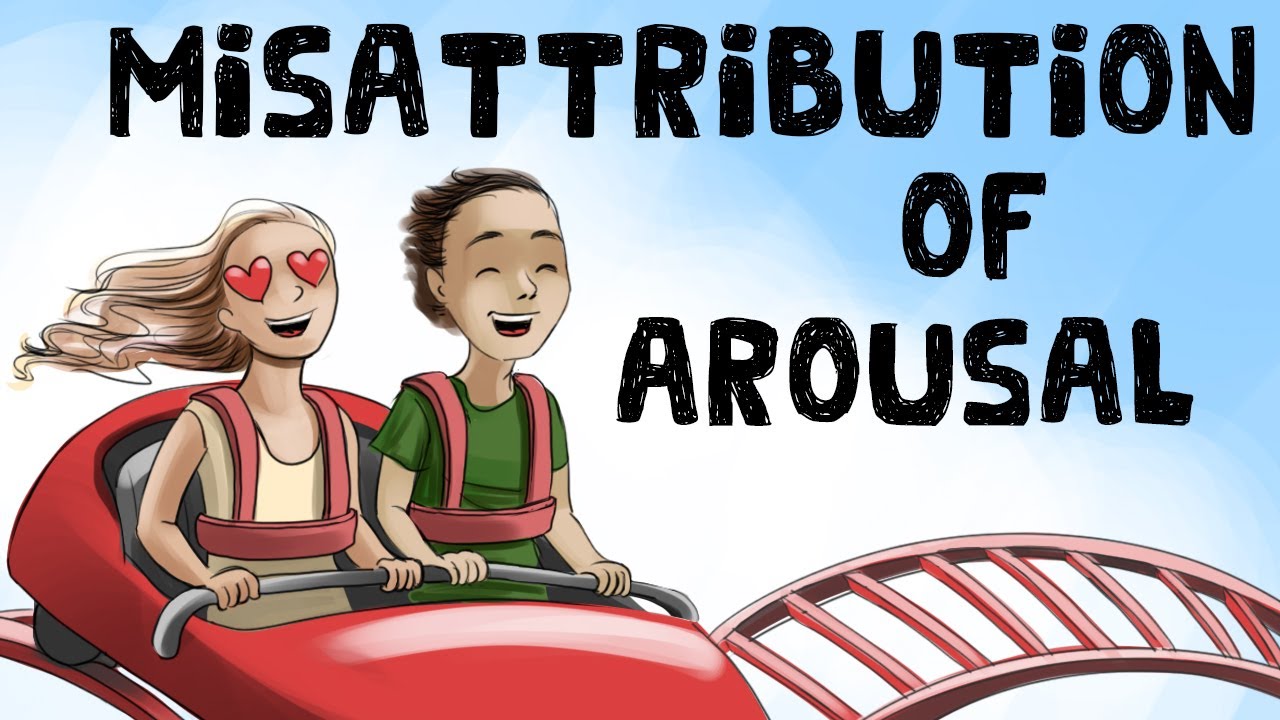
-Empathic resonance is when two people feel the same emotions simultaneously, whether positive or negative. This shared emotional experience creates attraction because it fosters a deep connection. The example of a 'rickety bridge' illustrates this concept: people feel closer when they share a nervous experience.
Why do people fall in love in rehab or shared challenging experiences?
-People fall in love in rehab or similar environments due to empathic resonance. Sharing deep, vulnerable experiences creates emotional connections because individuals are being authentic and experiencing similar emotions, fostering a sense of closeness.
What role does oxytocin play in bonding and relationships?
-Oxytocin is a hormone that plays a significant role in bonding and emotional connection. It is released through touch, like cuddling, massages, or holding hands. This hormone helps alleviate loneliness and forms emotional bonds, which are vital for maintaining long-term relationships.
Should couples schedule sex to maintain their sexual relationship?
-Scheduling sex can work if approached thoughtfully. The key is to ensure that both partners are emotionally connected before sex, even if it is scheduled. By engaging in activities that foster emotional resonance, like a shared experience or relaxation, couples can maintain intimacy even in structured scenarios.
Why does spontaneity matter in sexual attraction?
-Spontaneity is exciting because it introduces novelty and surprise, which activate emotional responses and keep the connection fresh. However, if one partner is not equally excited by the spontaneity, it can create disconnection. Emotional resonance is key to ensuring both partners are engaged.
What happens when sexual experiences become repetitive or forced, such as during attempts to conceive?
-When sex becomes a mechanical task, like in the case of trying to conceive, the emotional resonance required for arousal diminishes. This can lead to feelings of stress, loss of connection, and difficulties maintaining sexual desire, as one partner may struggle with arousal due to the lack of emotional engagement.
How do couples maintain emotional resonance over time, especially after major life changes like having children?
-To maintain emotional resonance, couples need to continuously bond over new experiences and share emotional moments, even after significant life changes. While challenges like having children may disrupt sexual desire temporarily, finding moments of connection, like shared relief after a stressful day, helps keep the emotional bond strong.
What role does technology play in modern relationships, especially concerning communication and social anxiety?
-Technology, particularly texting, reduces face-to-face interactions and the use of non-verbal communication, such as body language and tone. This leads to the atrophy of social skills, contributing to increased social anxiety. As these brain regions responsible for social reassurance are underused, individuals may struggle with feeling connected in social situations.
How does the rise of social media contribute to the decline of social skills and emotional connection?
-Social media, with its focus on text-based communication, bypasses critical elements like tone and body language, which are essential for emotional understanding. This over-reliance on digital communication leads to a decrease in the brain's ability to process non-verbal cues, causing social skills to deteriorate and increasing feelings of loneliness and social anxiety.
Outlines

هذا القسم متوفر فقط للمشتركين. يرجى الترقية للوصول إلى هذه الميزة.
قم بالترقية الآنMindmap

هذا القسم متوفر فقط للمشتركين. يرجى الترقية للوصول إلى هذه الميزة.
قم بالترقية الآنKeywords

هذا القسم متوفر فقط للمشتركين. يرجى الترقية للوصول إلى هذه الميزة.
قم بالترقية الآنHighlights

هذا القسم متوفر فقط للمشتركين. يرجى الترقية للوصول إلى هذه الميزة.
قم بالترقية الآنTranscripts

هذا القسم متوفر فقط للمشتركين. يرجى الترقية للوصول إلى هذه الميزة.
قم بالترقية الآنتصفح المزيد من مقاطع الفيديو ذات الصلة

4 Powerful Ways To Seduce Your Woman (Even If She Is Sexually Shut Down)

The One Thing More Powerful Than Status, Looks, or Money | Dr. Robert Glover
Misattribution of Arousal (Definition + Examples)

Female Arousal, Desire and Orgasmic Pleasure, new interview with intimacy coach Susan Bratton

How to Make a Guy Sexually Addicted to You | Matthew Hussey’s Ultimate Attraction Secrets

How To Learn Things FAST
5.0 / 5 (0 votes)

