Contoh Optimasi Formula dengan Simplex Lattice Design SLD - Response Surface Methodology RSM DX 13
Summary
TLDRThis video discusses the optimization process of a detergent formula using Design Expert software. The focus is on achieving the right balance between three key components—water, alcohol, and Korea—with specific percentage constraints. The goal is to optimize two key responses: viscosity and turbidity. The script outlines the step-by-step approach in the software, including selecting the correct model, analyzing results, and conducting trials to fine-tune the formula for an ideal product. The process emphasizes precision and testing to achieve an effective, high-quality detergent formulation.
Takeaways
- 😀 The optimization of detergent formulas is a key process involving variables like viscosity, turbidity, and the components used in the formula.
- 😀 Three main components used in the detergent formulation are water (3-8%), alcohol (2-4%), and Korea (2-4%), with a total mix of 9%.
- 😀 Other components in the formula, like tripolyphosphate and other additives, make up the remaining 1% of the mixture.
- 😀 Design Expert software (version 13) is utilized for the optimization process, which helps in adjusting and testing different formula compositions.
- 😀 The optimization process involves setting up responses like viscosity and turbidity to measure and adjust the formula components.
- 😀 The response for viscosity should be within specific limits, as too thick a mixture is undesirable, while too thin a mixture also needs to be avoided.
- 😀 Turbidity, or cloudiness, is minimized in the process, as a clear formula is generally more desirable for detergent products.
- 😀 A quadratic model is used for analyzing viscosity in the optimization process, and statistical significance is checked using ANOVA.
- 😀 For turbidity, a special model is applied, and similar analysis is done with ANOVA to ensure the results are statistically valid.
- 😀 After running experiments, the solution generated by Design Expert suggests an optimal formula, such as one with 4.5% water, 2.43% alcohol, and 2% Korea, for best results.
Q & A
What is the main objective of using Design Expert software in detergent formulation?
-The main objective is to optimize the detergent formula by adjusting key ingredients (water, alcohol, and Korean components) to achieve the desired viscosity and turbidity levels.
What are the three main components involved in the detergent formulation process?
-The three main components are water (3-8%), alcohol (2-4%), and Korean component (2-4%). These make up the primary ingredients in the detergent formula.
How is the maximum percentage of these three components determined?
-The maximum total for the three components is 9%, leaving the remaining 1% for other ingredients such as detergents, surfactants, and phosphates.
Why is viscosity an important parameter in detergent formulation?
-Viscosity is crucial because it determines the thickness of the detergent. If the viscosity is too high, the detergent could be too thick and difficult to use; if it's too low, the product might be ineffective.
What is the desired range for viscosity in this detergent formulation process?
-The viscosity should ideally fall within a specified range to ensure it is neither too thick nor too thin, maintaining an effective cleaning consistency.
What role does turbidity play in the detergent formulation process?
-Turbidity measures the cloudiness or clarity of the detergent. A low turbidity is preferred, as it indicates a clearer, more visually appealing product.
How are the component percentages optimized in Design Expert?
-The optimization is done by adjusting the percentages of water, alcohol, and the Korean component in the formulation while using Design Expert’s optimization tools to achieve the target viscosity and turbidity values.
What is the significance of the 'quadratic' model in the viscosity analysis?
-The quadratic model is used to fit the viscosity data to a curve, helping to predict how changes in ingredient percentages will affect the viscosity, ensuring a balanced formula.
What does ANOVA (Analysis of Variance) help determine in the optimization process?
-ANOVA is used to analyze the variance in the viscosity and turbidity responses. It helps determine if the factors being tested (ingredient percentages) significantly affect the results.
What is the goal when setting the target viscosity during the optimization process?
-The goal is to fine-tune the detergent formula to meet specific viscosity targets, ensuring it has the right consistency for optimal performance and user experience.
Outlines

此内容仅限付费用户访问。 请升级后访问。
立即升级Mindmap

此内容仅限付费用户访问。 请升级后访问。
立即升级Keywords

此内容仅限付费用户访问。 请升级后访问。
立即升级Highlights

此内容仅限付费用户访问。 请升级后访问。
立即升级Transcripts

此内容仅限付费用户访问。 请升级后访问。
立即升级浏览更多相关视频

Using AI in Software Design: How ChatGPT Can Help With Creating a Solution Architecture | R. Müller

🔴SABÃO LIQUIDO OU EM PÓ QUAL A DIFERENÇA ?

DETERGENTE: UM VILÃO PARA A SAÚDE (PODE ACABAR COM O SEU INTESTINO)

8. Pemilihan Proses
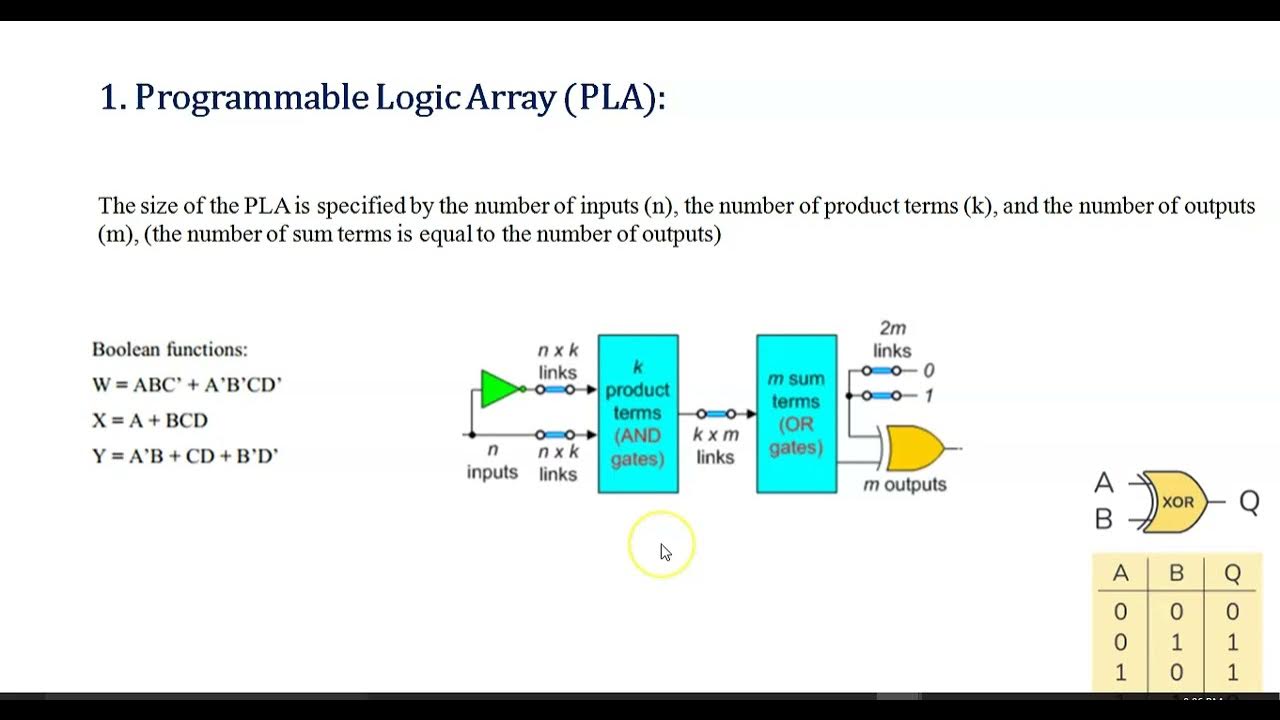
Logic implementation using Programmable Logic Array (PLA)

Pantones for Enamel Pins - the EASY way to choose colors and use Pantone color books
5.0 / 5 (0 votes)

