Consecutive without notes
Summary
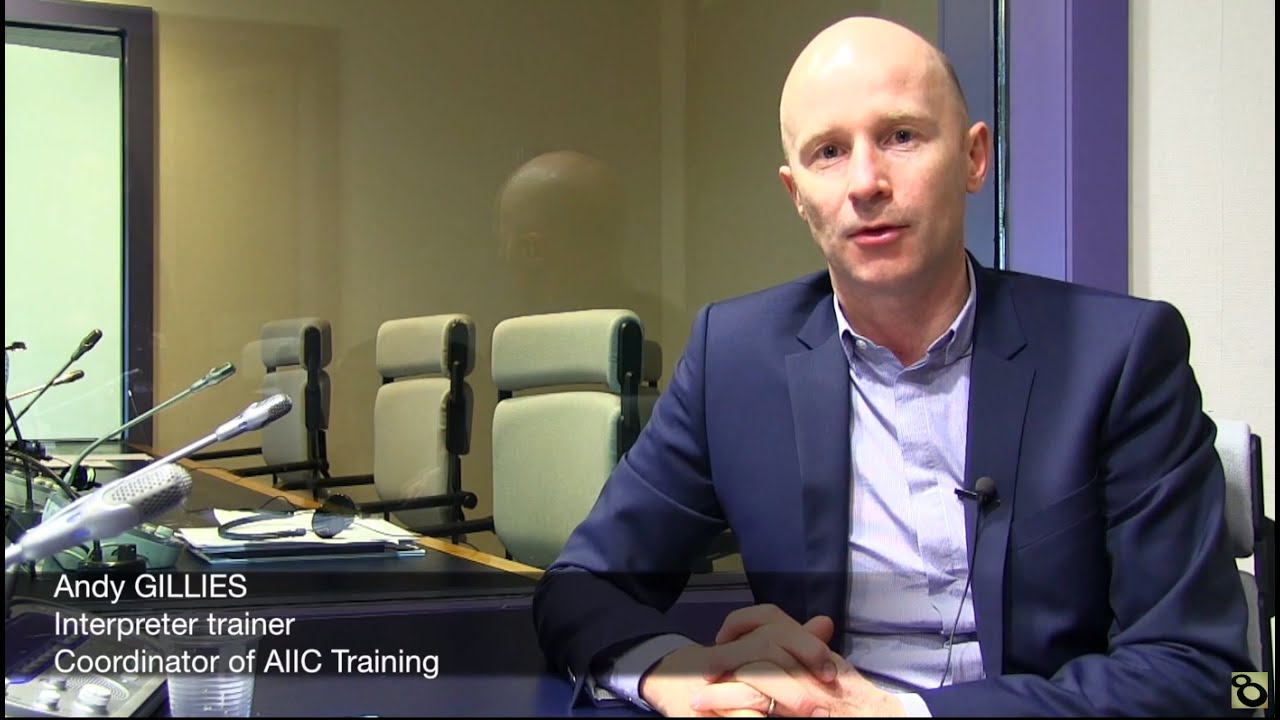
TLDRIn this video, freelance interpreter Andy Gillis explores the techniques interpreters can use to perform consecutive interpreting without notes. Drawing from memory science, he explains the roles of echoic, working, and long-term memory in effective interpreting. He introduces four memory prompts—narrative, visual, structural, and logical—demonstrating how each can enhance recall. By combining these tools, interpreters can remember detailed speeches without over-relying on notes. Gillis encourages interpreters to experiment with these techniques to build confidence and improve their skills in consecutive interpreting.
Takeaways
- 😀 Consecutive interpreting without notes is commonly tested in interpreting schools and practiced in the early stages of training.
- 😀 Many interpreters, especially students, aren't given specific instructions on how to interpret without notes.
- 😀 The ability to interpret without notes relies on effectively using memory techniques, not on having a 'good' or 'bad' memory.
- 😀 Three types of memory are essential for consecutive interpreting: echoic memory, working memory, and long-term memory.
- 😀 Echoic memory stores sounds, such as names or numbers, briefly before they are either discarded or processed.
- 😀 Working memory is where active processing happens, such as understanding and organizing information.
- 😀 Long-term memory stores information that has been processed and can be recalled later without effort.
- 😀 Visual prompts help link information to images or objects, enhancing memory, especially when the interpreter is physically present with the object.
- 😀 The narrative prompt technique involves remembering information as a story, which the human brain is naturally inclined to recall.
- 😀 Structural prompts involve breaking a speech into sections or parts to make it easier to process and remember.
- 😀 Logical prompts rely on identifying a logical thread throughout the speech, helping to connect information and recall it more easily.
- 😀 Combining multiple memory techniques, like narrative and visual prompts, enhances overall memory recall during consecutive interpreting.
- 😀 Confidence in consecutive interpreting without notes grows as interpreters experiment with different memory techniques and find what works best for them.
Q & A
Why might interpreters need to perform consecutive interpreting without notes?
-Interpreters are often required to perform consecutive interpreting without notes as part of their training programs and examinations. It tests their memory and ability to process and convey information accurately without relying on written aids.
What are the three types of memory described in the script?
-The three types of memory described are: Echoic Memory (short-term retention of sounds like names or numbers), Working Memory (where information is processed and analyzed), and Long-Term Memory (where information is stored for later recall).
How does echoic memory function in interpreting?
-Echoic memory retains phonetic sounds for a brief period, typically a few seconds. Interpreters may use it to remember proper names or numbers, but unless processed further, this information is quickly forgotten.
What role does working memory play in consecutive interpreting?
-Working memory is where interpreters process and make sense of the information they hear. It allows them to link words and concepts together to form meaningful ideas. After processing, information can either be stored in long-term memory or recorded for later use.
Why is long-term memory crucial for interpreters?
-Long-term memory is essential for recalling previously learned information. It helps interpreters retain knowledge over time, allowing them to recall details from past experiences, which eases the mental load during interpreting.
What is a narrative prompt, and how does it help with consecutive interpreting?
-A narrative prompt involves remembering information in the form of a story. The human brain is naturally adept at recalling stories, which makes this technique useful for interpreters in recalling speeches or presentations organized as narratives.
How do visual prompts assist in consecutive interpreting?
-Visual prompts help interpreters link information to an image or object. This could be a picture of an object discussed in a speech or an item directly in front of the interpreter. Associating details with visuals improves memory retention.
What is the significance of structural prompts in interpreting?
-Structural prompts involve dividing a speech into distinct sections or parts, such as introduction, body, and conclusion. By mentally organizing the speech, interpreters can more easily remember its key points and details.
What is a logical prompt, and how does it work in interpreting?
-A logical prompt refers to following the logical flow or 'red thread' of a speech. Interpreters ask themselves questions like 'Why is this happening?' or 'What happens next?' This helps them process and recall information more effectively.
How can combining different memory prompts enhance an interpreter's performance?
-Combining multiple memory prompts—such as narrative, visual, structural, and logical—allows interpreters to approach a speech from various angles. This strengthens their memory and makes it easier to recall complex information, especially when dealing with multi-faceted content.
What is the purpose of the visual memory technique described by Andraka Minka?
-Andraka Minka, a renowned interpreter, used a visual memory technique to remember long consecutive speeches without notes. This technique involved associating different parts of the speech with mental images, allowing him to recall a detailed speech from memory.
How can interpreters practice and improve their memory for consecutive interpreting?
-Interpreters can practice memory techniques by experimenting with different prompts (narrative, visual, structural, and logical) and observing which methods work best for them. With consistent practice, these techniques can help them confidently interpret without heavy reliance on notes.
Outlines

此内容仅限付费用户访问。 请升级后访问。
立即升级Mindmap

此内容仅限付费用户访问。 请升级后访问。
立即升级Keywords

此内容仅限付费用户访问。 请升级后访问。
立即升级Highlights

此内容仅限付费用户访问。 请升级后访问。
立即升级Transcripts

此内容仅限付费用户访问。 请升级后访问。
立即升级


5.0 / 5 (0 votes)

