Proses Pembentukan Urin | Lengkap Part 1. Struktur Ginjal dan Nefron
Summary
TLDRThis video explains the process of urine formation in the human body, focusing on the kidneys and their anatomy. It covers the structure of the kidneys, including their position, blood supply through the renal artery and veins, and the role of the nephron in urine production. The video also highlights the key processes involved in urine formation: filtration, reabsorption, and excretion. The importance of understanding kidney structure is emphasized as it lays the foundation for understanding the physiological mechanisms behind urine formation. The explanation is accompanied by detailed illustrations to aid comprehension.
Takeaways
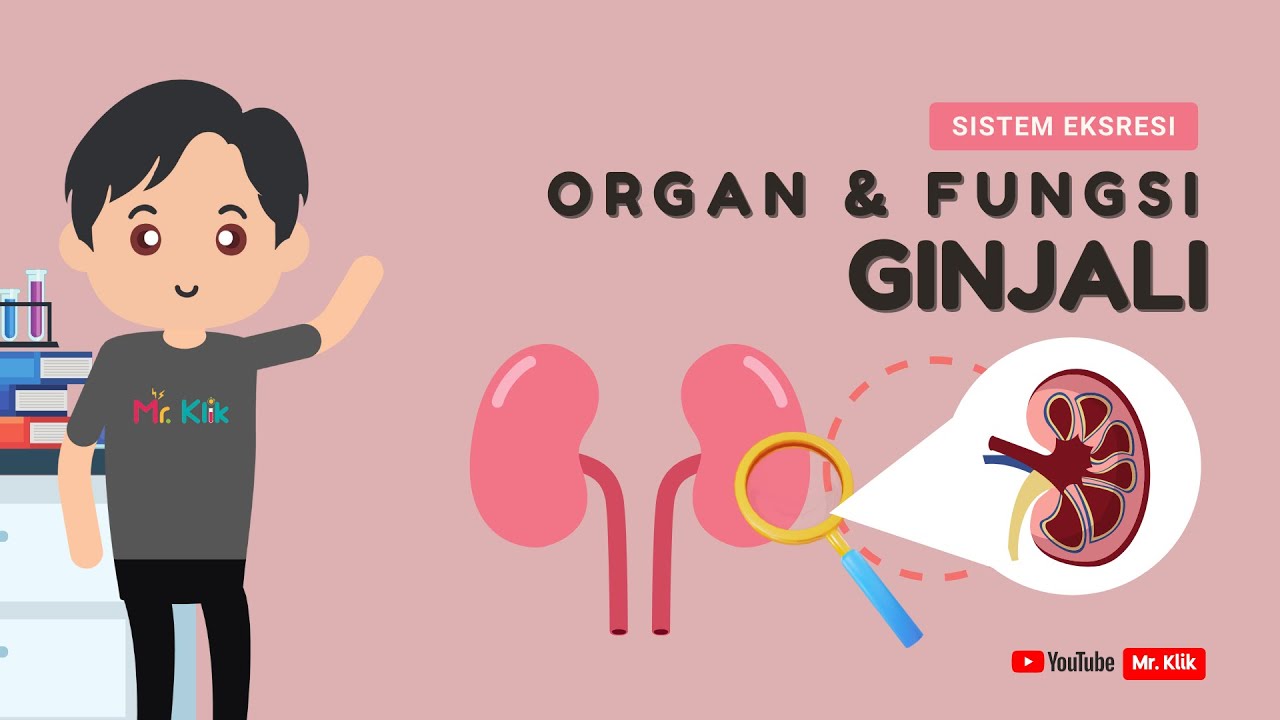
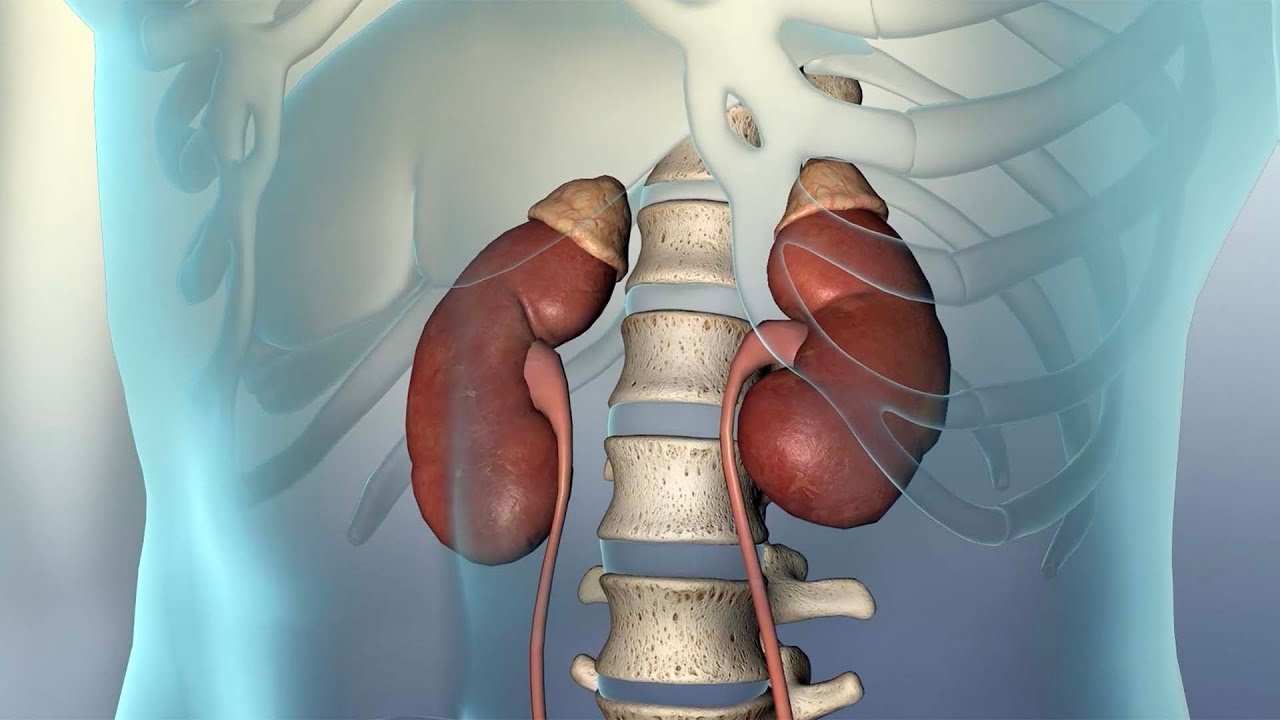
- 😀 The kidneys are two bean-shaped organs located at the back of the body, near the lower ribs, responsible for filtering blood and forming urine.
- 😀 Blood enters the kidneys through the renal artery, a branch of the aorta, and leaves via the renal vein, which connects to the posterior vena cava.
- 😀 Urine is formed in the kidneys through a filtration process, where blood is filtered to form filtrate, which is then processed into urine.
- 😀 The kidneys consist of three main regions: the cortex (outer part), the medulla (inner part), and the renal pelvis (where urine collects).
- 😀 The nephron is the functional unit of the kidney, responsible for urine formation, with around one million nephrons in each kidney.
- 😀 Nephrons are divided into two types: cortical nephrons (with short Henle loops) and medullary nephrons (with long Henle loops).
- 😀 The filtration process starts in the glomerulus, which is a network of capillaries surrounded by the Bowman's capsule in the nephron.
- 😀 The process of urine formation involves three main steps: filtration in the glomerulus, reabsorption in the proximal convoluted tubule and Henle's loop, and secretion in the distal convoluted tubule.
- 😀 Blood vessels surrounding the nephron include the afferent arteriole, glomerulus, efferent arteriole, and peritubular capillaries, which play a role in filtering and reabsorbing substances.
- 😀 The ureters carry the urine from the kidneys to the bladder, where it is stored until excreted through the urethra.
Q & A
What is the main function of the excretory system, as explained in the video?
-The main function of the excretory system is to remove waste from the body, particularly through the formation and excretion of urine by the kidneys.
Where are the kidneys located in the human body?
-The kidneys are located at the posterior part of the abdominal cavity, on either side of the spine, at the bottom of the ribs.
What is the size and shape of the kidneys?
-The kidneys are bean-shaped and about 10 to 12 cm long.
What are the two main blood vessels involved in kidney function, and what are their roles?
-The two main blood vessels are the renal artery, which supplies blood from the heart to the kidneys, and the renal vein, which carries filtered blood from the kidneys back to the heart.
How does urine form and leave the body?
-Urine is formed in the kidneys, then travels through the ureters to the bladder, where it is stored. The urine is eventually excreted out of the body through the urethra.
What are the three main structures of the kidney?
-The three main structures of the kidney are the cortex (outer layer), medulla (inner layer), and renal pelvis (where urine collects before being channeled into the ureter).
What is the nephron, and why is it important?
-The nephron is the functional unit of the kidney responsible for urine formation. It plays a crucial role in filtering blood, reabsorbing essential substances, and secreting waste into urine.
What is the difference between cortical nephrons and medullary nephrons?
-Cortical nephrons have short Henle loops and are more common (about 85% of nephrons), while medullary nephrons have long Henle loops and are less common (around 15%).
What are the key blood vessels associated with the nephron, and what are their functions?
-The key blood vessels are the afferent arteriole, which brings blood into the nephron, and the efferent arteriole, which takes filtered blood out. Blood flows through the glomerulus (capillary network), and the peri-tubular capillaries surround the nephron's tubules, aiding in reabsorption.
What are the three main processes involved in urine formation?
-The three main processes are filtration (in the glomerulus and Bowman’s capsule), reabsorption (in the proximal convoluted tubule and loop of Henle), and secretion (in the distal convoluted tubule).
Outlines

此内容仅限付费用户访问。 请升级后访问。
立即升级Mindmap

此内容仅限付费用户访问。 请升级后访问。
立即升级Keywords

此内容仅限付费用户访问。 请升级后访问。
立即升级Highlights

此内容仅限付费用户访问。 请升级后访问。
立即升级Transcripts

此内容仅限付费用户访问。 请升级后访问。
立即升级



5.0 / 5 (0 votes)

