How to get rid of TINY BUMPs on face 🎀 at home NATURALLY || Closed comodones & Fungal acne
Summary
TLDRThis video explains how to identify and treat tiny, persistent bumps on the skin, commonly found on the forehead, cheeks, and jawline. These bumps are caused by clogged pores or fungal acne. The video provides a clear explanation of why these bumps appear and offers practical advice on how to treat them using ingredients like ketoconazole, salicylic acid, and retinoids. Viewers are also guided on how to incorporate these treatments into their skincare routine, with tips on patch testing and using products gradually. The key message is to give skin time to heal while following a consistent, simple skincare regimen.
Takeaways
- 😀 Dead skin cells and oil can clog pores, creating tiny bumps known as closed comedones.
- 😀 These bumps are most commonly found on the forehead, cheeks, and jawline, areas that are oily, sweaty, or where hair touches the skin.
- 😀 Fungal acne, which looks similar to closed comedones, is caused by an overgrowth of yeast, especially in humid weather or when using heavy creams.
- 😀 To differentiate between closed comedones and fungal acne, closed comedones feel grainy and aren't itchy, while fungal acne tends to itch or irritate the skin.
- 😀 Exfoliating your skin at least once a week helps prevent the buildup of oil and dead skin cells that lead to clogged pores.
- 😀 Anti-dandruff shampoos like Nizoral (ketoconazole), Head & Shoulders Clinical Strength (zinc pyrithione), and Selsun Blue (selenium sulfide) can help treat fungal acne.
- 😀 When treating fungal acne, patch test the shampoo before using it on your skin to ensure compatibility.
- 😀 Ingredients effective for fungal acne include ketoconazole, zinc pyrithione, selenium sulfide, sulfur, and azelaic acid.
- 😀 Ingredients that work for closed comedones include salicylic acid (BHA), topical retinoids, retinol, AHAs (glycolic/lactic acid), and niacinamide.
- 😀 When starting a skincare routine, introduce treatments slowly, starting with a patch test, and avoid overloading your skin with multiple products at once.
Q & A
What are the tiny bumps on the skin that never pop or go away?
-These bumps are usually called closed comedones. They are clogged pores beneath the skin's surface, caused by a mix of oil and dead skin cells. They appear most commonly on the forehead, cheeks, and jawline.
How can you tell if the bumps on your skin are fungal acne or clogged pores?
-You can test the bumps by checking for itchiness or irritation. If the bumps itch or irritate your skin, especially when you sweat, it's likely fungal acne. If the bumps feel grainy under your finger and aren't itchy, they are probably closed comedones.
Why do these bumps appear in certain areas of the face?
-These bumps tend to appear on areas where the skin is oily or sweaty, such as the forehead, cheeks, and jawline. They are also common where hair products or oils from hair serums come into contact with the skin.
What causes fungal acne, and why does it appear?
-Fungal acne is caused by an overgrowth of yeast on the skin, often triggered by humid weather or the use of heavy creams. This yeast overgrowth can block pores, leading to fungal acne.
Can using thick creams or oily products contribute to the development of these bumps?
-Yes, using thick creams, layering products, or applying oily sunscreens or hair serums can block pores and seal them shut, which contributes to the development of both clogged pores and fungal acne.
What is the best way to prevent these bumps from reappearing?
-Exfoliate at least once a week to help remove dead skin cells, and be mindful of the products you use on your skin. Avoid heavy creams, oily sunscreens, and hair serums that might clog your pores.
What ingredients are effective in treating fungal acne?
-Effective ingredients for fungal acne include ketoconazole (2%), zinc pyrithione, selenium sulfide, sulfur (3-10%), and azelaic acid (10-20%). These help reduce yeast growth and inflammation.
What ingredients are effective in treating closed comedones?
-Ingredients that work for treating closed comedones include salicylic acid (BHA), topical retinoids (like adapalene 0.1%), retinol, alpha hydroxy acids (AHAs like glycolic/lactic acid), and niacinamide. These help to clean the skin barrier and unclog pores.
How should one incorporate these treatments into their skincare routine?
-Start by doing a patch test before introducing new products. For your daily routine, begin with a cleanser, then apply a treatment product to the affected area, followed by a moisturizer and sunscreen during the day. Gradually introduce treatments, and use them consistently, but not all at once.
How often should you use these treatments once the bumps fade?
-Once the bumps fade, you should still maintain a skincare routine by using the treatments once a week. This helps prevent the bumps from returning and keeps the skin healthy.
Outlines

此内容仅限付费用户访问。 请升级后访问。
立即升级Mindmap

此内容仅限付费用户访问。 请升级后访问。
立即升级Keywords

此内容仅限付费用户访问。 请升级后访问。
立即升级Highlights

此内容仅限付费用户访问。 请升级后访问。
立即升级Transcripts

此内容仅限付费用户访问。 请升级后访问。
立即升级浏览更多相关视频

Cara mengetahui tipe kulit kita ! #tipekulitwajah | Masumi Beauty Indonesia | masumi.co.id

Let's talk about SIGNATURE STYLE through Sabrina Carpenter's Glow Up.
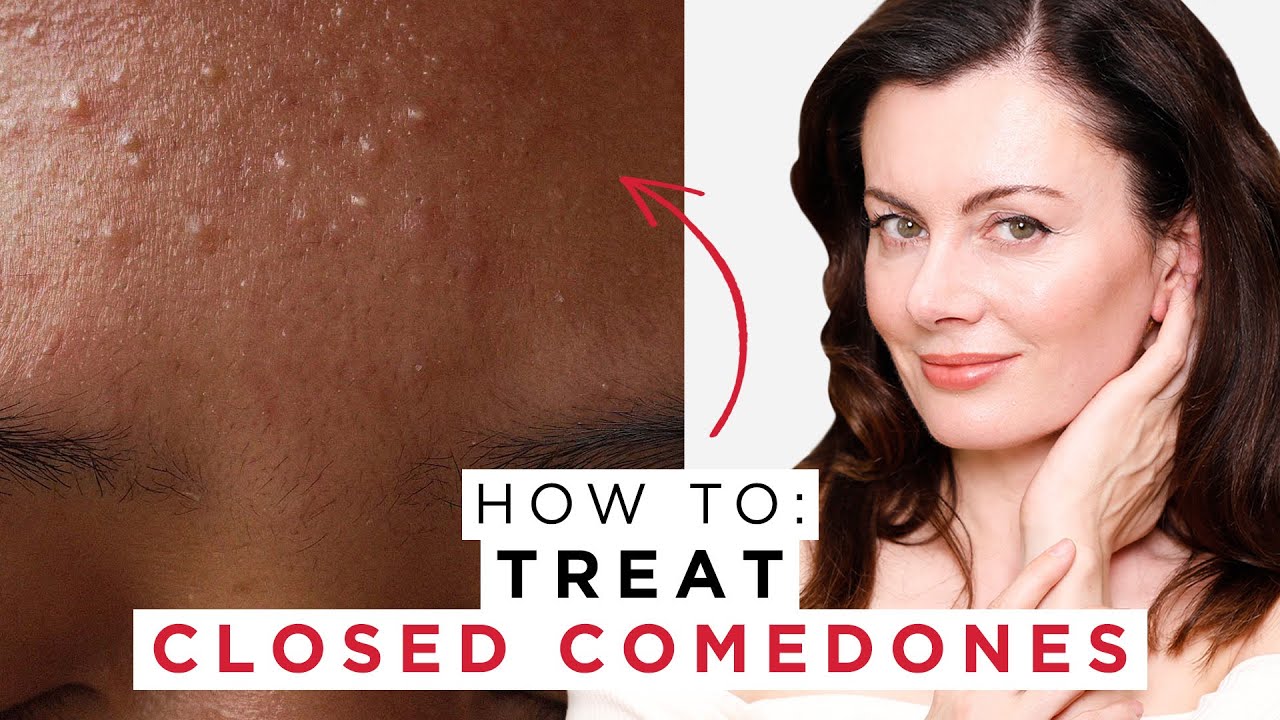
How To Treat Closed Comedones | Dr Sam Bunting

5 Harmful Chemicals in Skincare and Makeup Products - Part 2
Cara Memilih Foundation Kulit Putih, Kuning Langsat, dan Sawo matang
Doctor explains FORDYCE SPOTS / GRANULES - small white spots or pimples on the penis...
5.0 / 5 (0 votes)

