PRACTICAL RESEARCH 1 - Research Approaches - EP.7 (Research Simplified)
Summary
TLDRThis video explains the various research approaches and the differences between hard and soft sciences. It highlights three main research approaches: the scientific/positive approach for quantitative research, the naturalistic approach for qualitative research, and the triangulation approach for mixed-method research. The video also distinguishes hard sciences, which focus on data-driven, quantitative research, from soft sciences, which involve qualitative research to understand human behavior. The goal is to simplify these concepts for researchers, showing how different approaches align with the type of research being conducted.
Takeaways
- 😀 Research approaches have different methods for achieving the same goal, such as reaching a destination or memorizing a piece, but each method is suited to specific research types.
- 😀 In research, there are specific approaches assigned to each type, and you must follow the correct one based on your research goals.
- 😀 The scientific or positivist approach is used for quantitative research, focusing on empirical data, control over variables, and expressing data numerically.
- 😀 The naturalistic approach is used for qualitative research, focusing on people's perceptions, emotions, culture, and social relations, expressed through words or visuals.
- 😀 The triangulation (or mixed method) approach combines both qualitative and quantitative methods, enhancing the validity and reliability of the study and providing a broader perspective.
- 😀 You cannot use the wrong method for the wrong type of research, just like you wouldn't use a car on a road that isn't suitable for it.
- 😀 Hard sciences, like biology, chemistry, and physics, are studied using quantitative research, which uses numbers, statistical analysis, and cause-and-effect relationships.
- 😀 Soft sciences, like sociology, psychology, and economics, are studied using qualitative research, focusing on understanding human behavior through theories and interpretations.
- 😀 Quantitative research (hard sciences) seeks to study natural, data-driven phenomena, while qualitative research (soft sciences) seeks to understand human behavior scientifically.
- 😀 When combining qualitative and quantitative research, the triangulation method strengthens the study by offering a more accurate and comprehensive perspective.
- 😀 Understanding the right research approach for your study is crucial to achieving accurate results. Use the scientific approach for quantitative research, the naturalistic approach for qualitative, and triangulation for mixed methods.
Q & A
What are the different research approaches mentioned in the script?
-The script mentions three primary research approaches: the scientific or positivist approach, the naturalistic approach, and the triangulation or mixed method approach.
What does the scientific or positivist approach focus on in research?
-The scientific or positivist approach is used in quantitative research. It focuses on empirical data, excludes personal feelings or perceptions, allows control over variables, and presents data in numerical form, typically using surveys or observational checklists.
How does the naturalistic approach differ from the scientific approach?
-The naturalistic approach is used in qualitative research. It focuses on understanding people's perceptions, feelings, social relations, culture, and beliefs. It relies on words or visuals to present data rather than numbers, aiming to provide a deeper understanding of human behavior.
What is the purpose of the triangulation or mixed method approach?
-The triangulation or mixed method approach combines both qualitative and quantitative research. It strengthens the validity and reliability of the study, enhances the accuracy of results, and allows for multiple perspectives on the research topic.
What is the main difference between hard and soft sciences?
-Hard sciences, like biology, chemistry, and physics, are typically studied through quantitative research and focus on natural phenomena using numbers, theories, and statistical analysis. Soft sciences, like psychology, sociology, and political science, are studied through qualitative research, using words and thematic analysis to explore human behavior and social phenomena.
Can you give examples of hard sciences and soft sciences?
-Examples of hard sciences include biology, chemistry, physics, astronomy, and earth science. Examples of soft sciences include sociology, psychology, political science, economics, anthropology, and history.
What approach is used for hard sciences research?
-For hard sciences research, the scientific or positivist approach is used, which involves quantitative methods like statistical analysis and the testing of theories based on empirical data.
What is the approach used in soft sciences research?
-In soft sciences research, the naturalistic approach is used. This approach focuses on understanding human behavior and social phenomena using qualitative methods like interviews, thematic analysis, and interpretation of words or visuals.
Why is the scientific approach associated with quantitative research?
-The scientific or positivist approach is associated with quantitative research because it deals with objective, numerical data. It relies on measurement, control over variables, and statistical analysis to draw conclusions about the natural world.
What is the goal of qualitative research in soft sciences?
-The goal of qualitative research in soft sciences is to develop theories or insights into human behavior, perceptions, and social phenomena. Researchers aim to understand complex social issues from the perspectives of the people being studied.
Outlines

此内容仅限付费用户访问。 请升级后访问。
立即升级Mindmap

此内容仅限付费用户访问。 请升级后访问。
立即升级Keywords

此内容仅限付费用户访问。 请升级后访问。
立即升级Highlights

此内容仅限付费用户访问。 请升级后访问。
立即升级Transcripts

此内容仅限付费用户访问。 请升级后访问。
立即升级浏览更多相关视频

Paradigma Penelitian Kualitatif: Karakteristik dan Metode

HARD PADEL RACKET vs SOFT PADEL RACKET *5 DIFFERENCES* - the4Set

Materi 7: Metode Penelitian Kualitatif #edukasi #riset #fenomenologi #etnografi #studikasus

METODE PENELITIAN HUKUM

Different Types of Enamel Pins - How to Choose What to Make
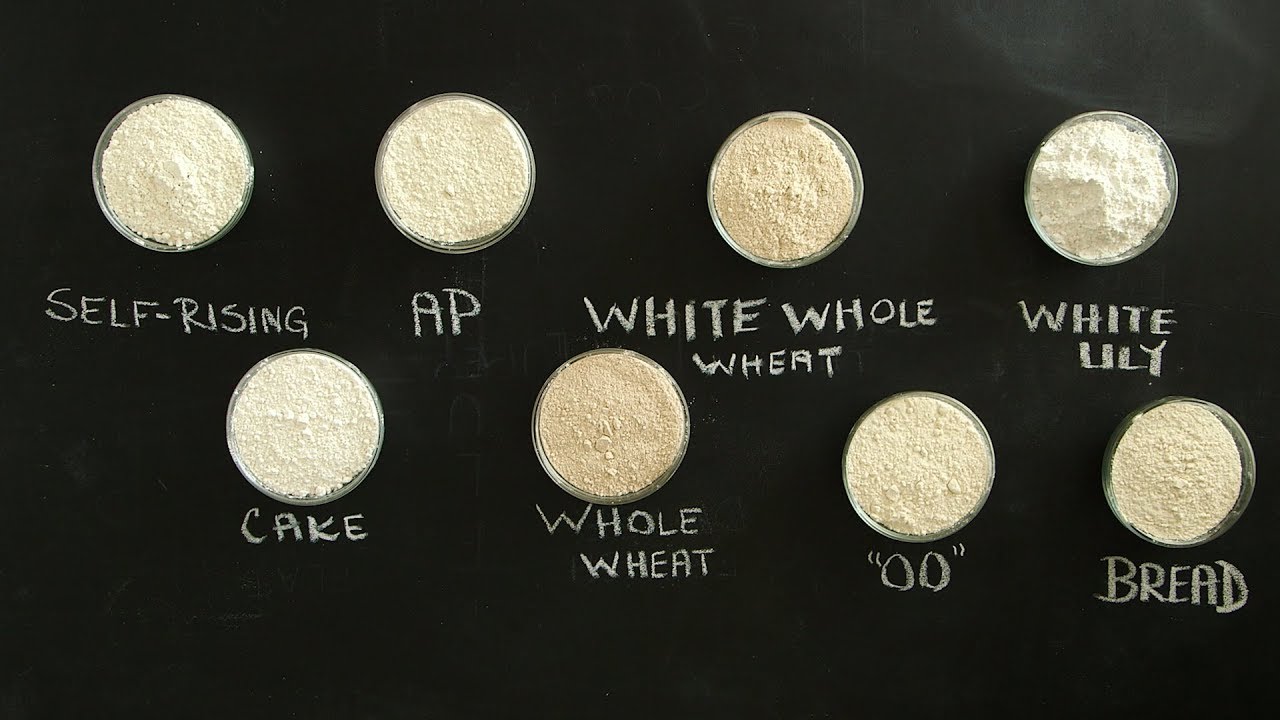
Understanding Different Flours and When to Use Them- Kitchen Conundrums with Thomas Joseph
5.0 / 5 (0 votes)

